The Top Chinese CNC Precise Machining Partner
Custom Laser Cutting Services
We offer high-precision custom laser cutting for metals, plastics, and composites. Capabilities include fiber laser (reflective metals), CO₂ laser (non-metals), and UV laser (thin films).
Serving aerospace, medical, automotive, electronics, and etc. Value-added services: bending, welding, finishing, and assembly. Full quality control with inspection reports available. From prototyping to high-volume — clean, burr-free parts with fast turnaround.
What is Sheet Laser Cutting?
Laser cutting is a manufacturing process that uses a high-power laser beam to cut, engrave, or mark materials — typically sheet metal, plastics, wood, or composites. The laser melts, burns, or vaporizes the material along a programmed path, leaving a clean, precise edge.
Laser cutting uses a focused, high-power laser beam to precisely cut sheet metal and other materials with narrow kerf, clean edges, no tooling cost, and high speed — ideal for prototypes, low-to-medium volumes, and complex 2D profiles.
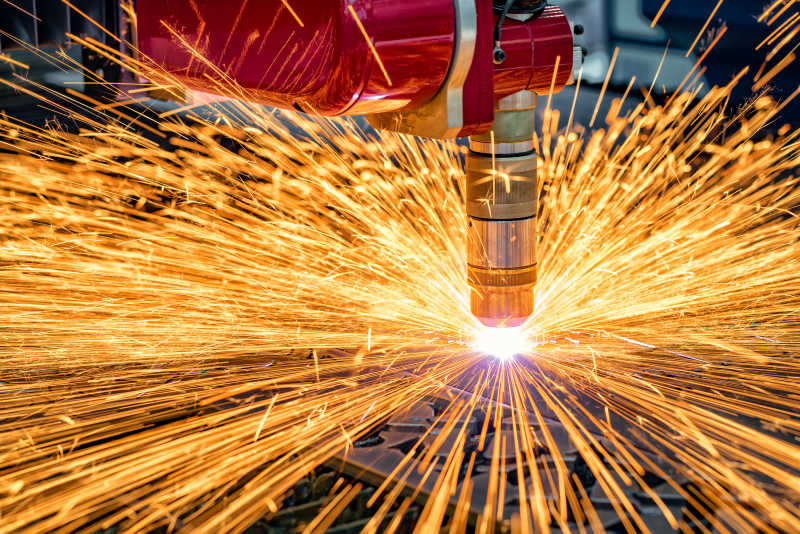
What’s advantages of Laser Cutting?
High Precision and Accuracy
Laser cutting delivers exceptional precision, typically holding tolerances of ±0.003–0.005 inches (±0.08–0.13mm). The focused beam creates fine cuts for intricate details, small holes, and complex contours, reducing or eliminating secondary finishing.Sheet metal parts are strong and durable but relatively lightweight — ideal for structural applications where weight matters (aerospace, automotive).
Minimal Material Loss
Low-cost prototyping with laser cutting (no tooling). For production, stamping dies reduce per-part cost significantly. Easily scales from prototypeThe laser beam creates a narrow cut width of 0.004–0.012 inches (0.1–0.3mm) — much smaller than plasma (0.060–0.120"). With nesting software, this achieves 80–90% material utilization, significantly reducing scrap and raw material costs. to high-volume runs.
High Cutting Speed
Laser cutting is extremely fast on thin sheet metal, with typical speeds of 10–30 meters per minute (330–980 ft/min) for materials under 3mm thick. This translates to shorter lead times, higher throughput, and lower cost per part compared to waterjet, plasma (on thin materials), or conventional machining.
Cuts Hard and Reflective Materials
Fiber lasers cut hardened steels (HRC 50–65), stainless steel, aluminum, brass, and copper — materials that destroy conventional cutting tools or cannot be machined after heat treatment. Laser cutting has no hardness limitation for conductive materials, making it ideal for pre-hardened components.
No Tooling Cost
Unlike stamping or punching, laser cutting requires no dies, punches, or hard tooling. This eliminates tooling fabrication time (days to weeks) and costs ($1,000–$100,000+), making it highly economical for prototypes and low-to-medium volumes (1–5,000 parts) with no penalty for design changes.
Clean Edges with Minimal Burrs
The laser melts and vaporizes material cleanly, producing smooth, burr-free edges directly from the machine. In most cases, no secondary deburring is needed — saving time and labor, especially for parts that will be welded, painted, or assembled.
Laser Cutting Capabilities from Prototyping to Mass Production
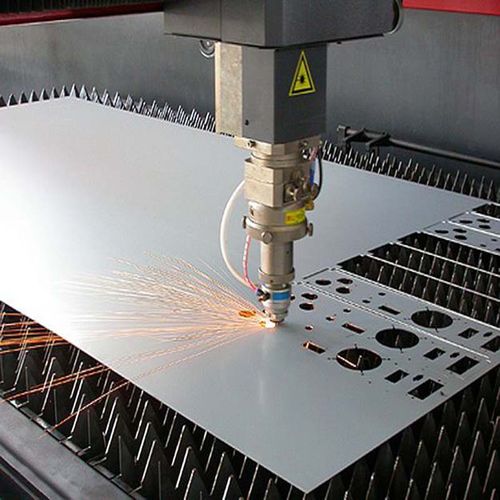
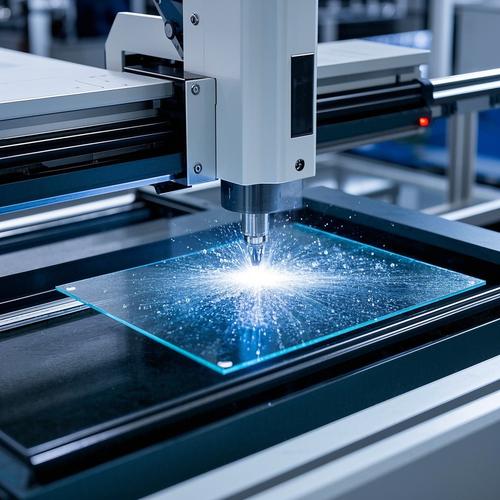
Laser Cutting
Fiber laser cutting is a modern sheet metal process that uses a fiber-delivered laser beam to cut, engrave, or mark conductive materials. Thanks to its higher efficiency, lower maintenance, and superior performance on reflective metals, it is widely adopted in industrial cutting — typically handling thin to medium-thick plates up to 25mm
It can typically cut various metal materials such as carbon steel, stainless steel, aluminum, brass and copper, etc.
CO2 Laser Cutting
CO₂ laser cutting is a manufacturing process that uses a gas laser — a mixture of carbon dioxide (CO₂), nitrogen, and helium — to generate a high-power infrared laser beam (10.6 µm wavelength) for cutting, engraving, or marking materials.
CO₂ lasers were the dominant technology for metal cutting before fiber lasers emerged. Today, they remain the first choice for non-metal materials and are still used for certain metal cutting applications, especially consider cost is a primary concern.
Why Choose RPD?
Professional CNC Machining, sheet fabrication, Injection Molding & rapid prototyping, Professional Services, Comprehensive A-Z Solutions.
Guaranteed Quality & Rigorous Inspection
Advanced Technology & Broad Capabilities
Technical Partnership & Engineering Support
Wide Material/Project Experience
Competitive Value & Cost Optimization
Speed & On-Time Delivery
Laser Cutting Materials
Materials Suitable for Fiber Laser Cutting: Mild steel, Stainless steel, Aluminum, Brass, Copper, Titanium, Galvanized steel, etc.
Materials Suitable for CO₂ Laser Cutting: Acrylic / Plexiglass, Wood, Mild steel, Stainless steel, Rubber, etc
Contact us to explore more materials today!
| Material | Type | Thicknesses Available |
| Aluminum | 5052-H32 6061-T6 | 0.025 in. – 0.250 in. (0.635mm – 6.35mm) |
| Steel | CRS/HRPO Galvanneal Galvanized | 0.025 in. – 0.250 in. (0.635mm – 6.35mm) |
| Stainless Steel | 304-2B 304 #4 316-2B | 0.025 in. – 0.250 in. (0.635mm – 6.35mm) |
| Copper | C1010 C1100 | 0.025 in – 0.125 in. (0.635mm – 3.175mm) |
| Brass | C260 | 0.025 in – 0.125 in. (0.635mm – 3.175mm) |
| plastic | Acrylic/PMMA/PP/PE | 0.025 in – 1.2 in. (0.635mm – 30mm) |
| wood | MDF, Most hardwood | 0.025 in – 1.2 in. (0.635mm – 30mm) |
Common Types of Surface Treatment Simple List
Contact us to explore more surface treatment opinions today!
| Surface Finish Type | Description | Services | Typical Applications / Benefits | Applicable Materials | Price |
| As machined | The state of the workpiece without any additional, specialized surface finishing or deburring treatment | CNC machining, Sheet Metal Fabrication, Injection Molding, Die Casting 3D Printing, Vacuum Casting | Suitable for products or prototypes without additional requirements for surface treatment | Metal, plastic | $ |
| Smooth | Deburring treatment | CNC machining, Sheet Metal Fabrication, Injection Molding, Die Casting 4D Printing, Vacuum Casting | Suitable for products or prototypes without additional requirements for surface treatment | Metal, plastic | $ |
| Electroplating | In an electrolyte solution, metal ions are attached to the surface of the workpiece by an electric current | CNC machining, Sheet Metal fabrication, Injection Molding, Die Casting, 3D printing, Vacuum Casting | Excellent anti-corrosion & appearance. Chrome/nickel plating provides bright, wear-resistant surface. Improves hardness, wear resistance & conductivity. | Metal | $$ |
| Anodizing | Electrochemical process generates a hard and porous oxide film on the surface of metal, usually for aluminum. | CNC machining, Sheet metal fabrication,Die Casting | High corrosion & wear resistance, excellent decoration (various colors via dye adsorption), good insulation, and ideal as a coating substrate for enhanced adhesion. | Metal | $$ |
| Powder Coating | Attach dry powder coating to the workpiece through electrostatic adsorption, and then cure at high temperature | CNC machining, Sheet metal fabrication,Die Casting | Thicker, durable, wear/impact-resistant. Solvent-free, eco-friendly, recyclable. Textures: gloss, matte, sanding, wrinkles. | Metal | $$ |
| Painting | Atomize liquid coating with a spray gun and attach it to the surface of the workpiece. | CNC machining, Sheet Metal Fabrication, Injection Molding,Die Casting 3D Printing, Vacuum Casting | The colors are infinite, theoretically any color can be blended. Relatively low cost, suitable for various shapes and sizes. | Metal, plastic, ceramic, Composite materials | $$ |
| Brushing | Forms a continuous fine texture to improve appearance, slip resistance, and reduce light reflection | CNC machining, Sheet metal fabrication,Die Casting | Highly decorative, presenting a metallic texture, able to cover small scratches, and resistant to fingerprints | Metal | $$$ |
| Sand Blasting | Mechanical treatment of workpiece surface by cleaning, roughening, or finishing using high-speed sand flow impact. | CNC machining, Sheet metal fabrication,Die Casting | Obtain a uniform matte/frosted texture, clean the surface, and improve coating adhesion. | Metal, plastic, ceramic | $$ |
| Black Oxide | It is a chemical conversion process that generates a layer of magnetic iron oxide (Fe ∝ O ₄) film on the surface of steel or stainless steel. | CNC machining, Sheet metal fabrication,Die Casting | Excellent dimensional stability, rust prevention, anti-reflective, and wear resistance (with post-processing). Provides a durable matte black finish with strong adhesion, low cost | Metal | $$ |
| Teflon Coating | Fluorinated polymer material/PTFE adheres and solidifies on the surface of the workpiece through a specific method. | CNC machining, Sheet metal fabrication,Die Casting | Non-stick surface for easy cleaning. Extremely low friction — ideal for oil-free bearings, gears, rails, and ski coatings. Excellent chemical, temperature, and weather resistance. UV & climate resistant | Metal, plastic, ceramic | $$$ |
| Electrophoretic | An advanced process combining electrochemistry and coating technology, paint particles “swim” to the workpiece surface and adhere uniformly under an electric field. | CNC machining, Sheet metal fabrication,Die Casting | No dead corners covers complex cavities, gaps, and edges. Uniform, precision-controlled coating with strong adhesion and excellent corrosion resistance. Highly automated & eco-friendly. | Metal | $$ |
| Passivation | Chemically or electrochemically converts the metal surface from active to inert (passive), significantly boosting its corrosion resistance. | CNC machining, Sheet metal fabrication,Die Casting | Improving wear resistance, passivation treatment hardly changes the size and color of the workpiece, and is non-conductive. | Metal | $$ |
| Alodine | Alodine is essentially a special chemical conversion coating treatment used for aluminum and aluminum alloys, belonging to a type of chromate treatment. | CNC machining, Sheet metal fabrication,Die Casting | Unparalleled adhesion, barrier & self-healing corrosion protection, extends aluminum corrosion resistance. Ultra-thin, conductive, dimensionally neutral. Decorative colors available. Enhances structural adhesive & sealant reliability | Metal | $$ |
| Chromate | Formation of passivation film for enhanced corrosion and oxidation resistance | CNC machining, Sheet metal fabrication,Die Casting | At a lower cost, it provides a surface solution that combines excellent corrosion resistance , enhanced adhesion, decorative color, and does not affect conductivity. | Metal | $$$ |
| PVD | PVD is like “evaporating” a material (such as titanium or chromium) in a vacuum, allowing its vapor to condense on the surface of the workpiece, forming a strong thin film. | CNC machining, Sheet metal fabrication,Die Casting | Gorgeous decoration: can be plated with TiN (gold), TiC (black), CrN (bright silver), etc. Extremely high hardness and wear resistance (such as DLC diamond-like coating). High temperature resistance, oxidation resistance, extremely thin coating, does not change the accuracy of the workpiece. | Metal, ceramic, plastic | $$$$ |
| CVD | The chemical reaction forms a thin film that improves abrasion resistance, high temperature resistance and corrosion resistance. | CNC machining, Sheet metal fabrication,Die Casting | Hard alloy, high-speed steel, ceramic | $$$$ | |
| DLC | DLC is a high-performance carbon based thin film formed by vapor deposition technology, which combines the high hardness of diamond and low friction properties of graphite. | CNC machining, Sheet metal fabrication,Die Casting | Ultra high hardness and ultra-low friction. | Metal | $$$$ |
| Electroless Plating | Homogeneous deposition of metallic coatings to improve corrosion resistance, abrasion resistance and electrical conductivity. | CNC machining, Sheet metal fabrication,Die Casting | Uniform coating on any complex shape. Precise thickness, no complex fixtures. Heat treatment to HV 1000 (near hard chromium). Corrosion resistant, weldable, magnetic/non-magnetic options. | Metal, plastic,silicone, glass | $$ |
| Electropolishing | Electrolysis removes minor surface imperfections and enhances smoothness and brilliance. | CNC machining, Sheet metal fabrication,Die Casting | Smooth, corrosion-resistant, hygienic. Reaches unreachable areas. No dimensional change. Medical/Food/Semiconductor grade. | Metal | $$ |
| Polishing | Rubbing or grinding surfaces to enhance smoothness and brilliance. | CNC machining, Sheet Metal Fabrication,Injection Molding,Die Casting 3D Printing, Vacuum Casting | Beautify appearance, high gloss, reduce surface defects and frictional resistance | Metals, plastics, ceramics | $$ |
| Mirror Polishing | Refers to the highest level of polishing where the surface is treated to have a mirror like optical reflection effect, which can clearly reflect the image. | CNC machining,Die Casting | Higher requirements than ordinary polishing, almost all for beautifying the appearance and decorating the surface. | Metals, plastics, ceramics | $$$$ |
| Shot Peening/Shot Blasting | Uses round media (steel, glass, ceramic balls) to improve fatigue strength & stress corrosion resistance, or for cleaning, rust/scale removal, deburring, and surface roughening. | CNC machining,Die Casting | Generates compressive stress to boost fatigue strength & stress corrosion resistance. Cleans surface (rust/scale removal) & creates a uniform matte finish. | Metals | $$ |
| Tumbling | Rotating or vibrating container creates rolling between workpiece and abrasive to remove burrs & sharp edges. Ideal for high-volume, small, non-deformable, impact-resistant parts. | CNC Machining, Sheet metal fabrication | Boosts surface hardness, removes oil/rust/impurities. Batch-deburrs sharp edges smoothly and safely at very low cost. | Metals, Plastics, Glass | $$ |
| Silk Screen | Ink is poured over a hollow-patterned screen, leaks through onto the workpiece, then dries or cures (baking/UV) to form the final pattern or text. | CNC machining, Sheet Metal Fabrication,Injection Molding,Die Casting 3D Printing, Vacuum Casting | Almost any material such as plastic, metal, glass, wood, and shape can be printed. | Metal, plastic,glass,etc | $ |
| Laser Engraving | The laser beam heats, melts or evaporates to mark, engrave or pattern engraving. | CNC machining, Sheet Metal Fabrication,Injection Molding,Die Casting 3D Printing, Vacuum Casting | A focused laser beam instantly vaporizes material for deep carving or alters its color/structure for marking, creating permanent marks. | Metal, plastic | $ |
| Knurling | Kuurling is a plastic processing technique that forms anti slip patterns on the surface of a rotating workpiece through extrusion or cutting. | CNC machining | Provide an anti slip grip surface to enhance the bonding strength of the mating parts and improve the industrial aesthetic and texture of the product. | Metals with good ductility, like aluminum, low-carbon steel, stainless steel, etc | $$ |
Typical Tolerances of Laser Cutting
Note: Values shown are typical industry ranges under stable production conditions. Actual tolerances depend on part geometry, material, and machining strategy. If 2D drawings aren’t available, we’ll apply ISO 2768 mk.
| Item | Description |
| Maximum Part Size | 39″ x 47″ x 0.4″(10 mm) |
| Minimum Part Size | 2X material thickness with a minimum of 1 mm (0.04 in.) |
| Distance Dimensions | ISO 2768-c. Typical size: +/- 0.2 mm (0.008 in.) for length, width, diameter and location. |
| Maximum Material Thickness | Carbon steel < 25 mm (0.98 in.), Stainless steel < 15 mm (0.59 in.), Aluminum < 15 mm (0.59 in.) , Copper < 12.7 mm (0.5 in.) |
| Kerf (slit size) | About 0.5 mm (0.02 in.) |
| Edge Condition | Laser cut edges have matte and vertical lines. |
| Laser Sources | CO2 and fiber lasers. Up to 10 kW. |
| Reapability | +/- 0.05 mm (0.002 in.) |
| Positioning Accuracy | +/- 0.10 mm (0.004 in.) |
| Lead Time | 5-7 days |
| Tolerances | +/- 0.005″. for all features (except for hardware holes) +0.003/-0.000 “. on hardware insert holes to ensure correct seating of inserts |
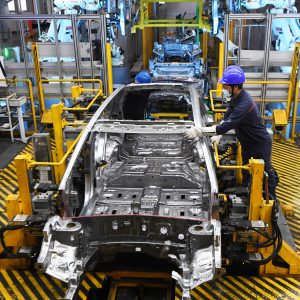
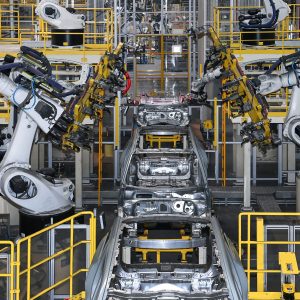
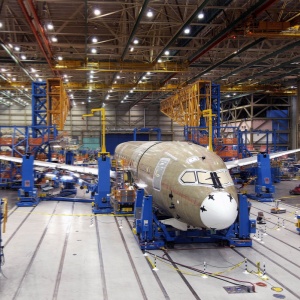
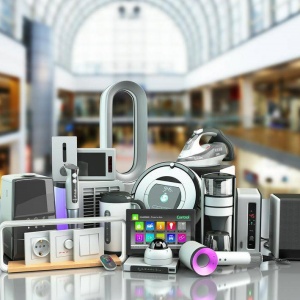
Custom Parts For Different Industries
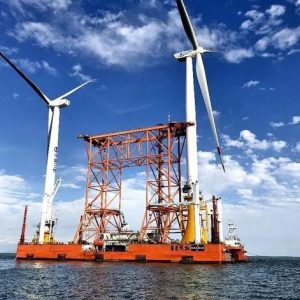
Provide CNC Machining One-Stop Services for Different Industries



Our Customers
Trusted by These Brands





Which Process Should I Choose? CNC vs. Other Manufacturing Methods
| Process/Method | Description | Best For | Key Benefits | Typical Lead Time |
| CNC Machining | Removes material from a solid block | High precision, tight tolerances, any quantity | MOQ 1 piece and fast delivery, no need mold | 3–10 working days |
| 3D Printing | Builds layer by layer | Complex internal structures, prototypes, low volume | MOQ 1 piece and fast delivery, no need mold | 1–3 working days |
| Injection Molding | Injects molten material into a mold | High-volume plastic parts | For mass production parts, cost-effective | 15–25 working days |
In summary: CNC machining is the go-to manufacturing process when you need high precision, tight tolerances, wide material selection, and reliable repeatability,from one-off prototypes to production runs of thousands of parts.
Would you like to start a project with us?
End-to-End 6D Solutions, From Concept to Mass Production. Integrated 5 Steps Quality Control Across Every Stage.
Phase 1:TR / PRD (Technical Review / Product Requirements Definition)
DFM, material selection & tolerance optimization for manufacturability. .
Concept Validation: Support rapid prototyping for functional verification; identify structural and process risks early.
Cost Engineering: Deliver cost-oriented feedback to minimize redesign cycles prior to EVT.
Phase 2: EVT (Engineering Verification Test)
Precision Engineering: One-stop solutions combining high-speed CNC machining and precision injection molding to deliver tight-tolerance parts for validation testing.
Engineering Support: Offer all-round engineering support including tolerance stacking analysis, surface treatment recommendations, and design optimization.
Phase 3: DVT (Design Verification Test)
Agile Revisions: Quick response to design modifications, ensuring rapid turnaround for the next round of prototype verification.
Visual Samples: Provide visible samples (appearance masters) for design approval.
Incoming Control: IQC (Incoming Quality Control) services to secure material quality.
Phase 4: MVT (Medium-Volume Verification Test)
Process & Fixture Validation: Verify the stability of the production process and the reliability of fixtures/tooling.
Full-Line QC: Implement IQC (Incoming Quality Control) , IPQC (In-Process Quality Control) , and OQC (Outgoing Quality Control) to monitor pilot run quality.
Phase 5: PVT (Process Verification Test)
BOM & Version Control: Identify trial production issues.
Process Standardization: Establish Golden Line production standards to ensure process repeatability and stability.
Comprehensive QC: Full suite of IQC (Incoming Quality Control) , IPQC (In-Process Quality Control) , and FQC (Final Quality Control) services.
Phase 6: MP (Mass Production)
ISO-Certified QC: Full documentation for guaranteed quality.
Lean Manufacturing: Optimize cost & quality.
Efficiency Boost: Modular fixtures for quick changeover.
Full-Lifecycle QC: Routine IQC/FQC/OQC + Post-sale CAPA for continuous improvement.
How can we work close with our client?
A – Z Assistance:
1)Our professional team will provide 24/7 Engineering Support
by one-on-one assistance.
2)Our experienced engineers will freely review and optimize your part designs (DFM), provide actionable feedback, and deliver competitive quotations, which all based on your design drawings, application requirements, and desired outcomes.
4)Throughout production, you’ll receive progress updates every 2–3 days.
5) Upon completion, we’ll share high-quality photos of finished parts and packaging, along with full documentation: inspection reports, shipping details, and material certifications.
CNC Machining with Expert DFM & Engineering Support
What Our Engineering & DFM Support Includes?
Design Review
Analyze CAD models for manufacturability, tolerance feasibility, and material suitability
Material Selection
Recommend the optimal metal, plastic, or composite based on strength, cost, and application needs。
Design Optimization
Adjust sharp corners, deep cavities, thin walls, or hard-to-machine details for efficient production
Tolerance Analysis
Ensure critical dimensions are achievable while avoiding unnecessarily tight tolerances that drive up cost
Tool Access Check
Identify features that may require special tooling or 5-axis machining
Cost Reduction Suggestions
Propose design changes that reduce cycle time, tool wear, or secondary operations
How to work with RPD?
Upload Design Drawing
- Send 2D/3D drawing online or by email
- Design Drawing format: STEP, IGES, DWG, PDF, STL, etc
- If you have multiple files, zip them or send by email to ashley@rdpmfg.com
DFM Analysis & Quote
- Our engineer team will review & analyze every file carefully.
- Request more details or provide optimize solution.
- Offer accurate quote with 6 hours.
Order Confirmation
- Confirm order & delivery details, sign the contract.
- Arrange & start to production.
- Check and confirm all details during production, Track every steps.
Parts Delivered
- Control quality during production.
- Provide order photos,inspection sheet and other request documents.
- Pack & label orders, then shipping.
FAQs About Our Laser Cutting Capacity
Why laser cutting?
Laser cutting is the go-to process for cutting sheet metal and non-metals because it offers high precision, no tooling cost, clean edges, high speed, and the ability to cut complex shapes, all with minimal material waste.
What kind of equipment do you use?
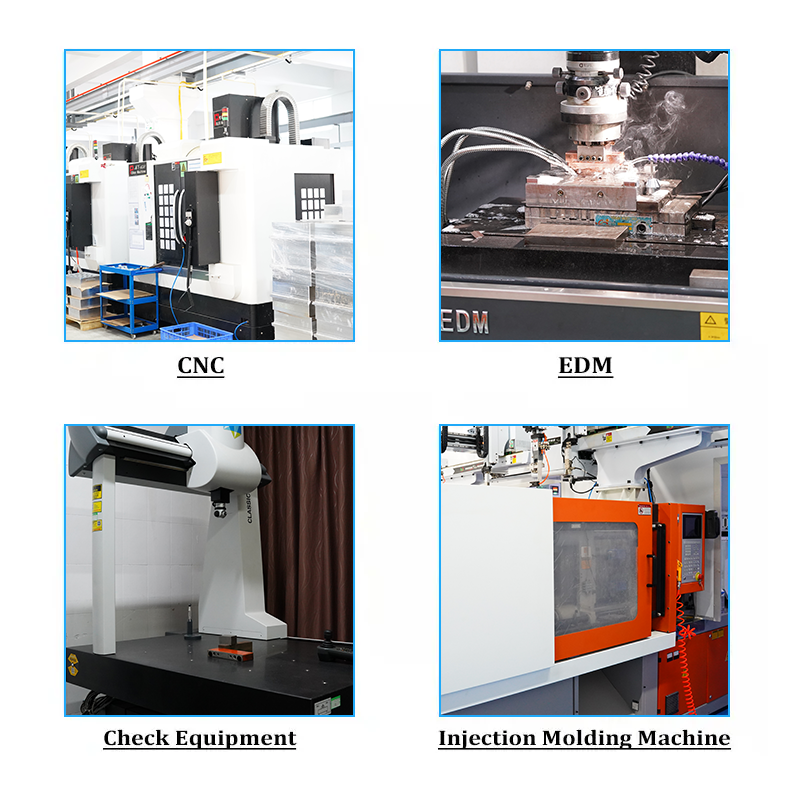
Our factory equipment with advanced laser machine, say Trumpf Machine
Do you offer surface finishing and assembly services after laser cutting ?
Yes, exactly. We offer anodizing, sand blasting,plating, polishing, painting, and other surface treatments. Assembly of milled parts into sub-units is also available to streamline your production process.
What is your quality control system?
We operate under a rigorous Quality Management System (QMS) aligned with ISO standards. Our 5 Steps QC process is including IQC (Incoming Quality Control) , FQC (Final Quality Control) , OQC (Outgoing Quality Control) for routine production.
QE (Quality Engineering) / CAPA (Corrective and Preventive Actions) implemented throughout the entire product lifecycle, especially during the post-sale stage, to drive continuous improvement. Simply speaking 100% inspection before shipment to ensure zero defects.
What kind of quality assurance or warranty do you offer on orders?
One of the reasons engineers purchase from RPD is that we take on all the risks for you. We guarantee you’ll love what you get. Not happy with it? We’ll either redo it or give you a full refund. Your purchase is completely risk-free.
What's kind of cutting material do you offer? Any certificate?
Mild steel, Stainless steel, Aluminum, Brass, Copper, Titanium, Galvanized steel, etc. Material certificate: FDA, RoHS, UL, CE, etc
Which kind of file formats can I send for laser cutting sprojects?
We accept STEP, IGES, STL, DWG, DXF, and other common CAD formats.
CNC Resources
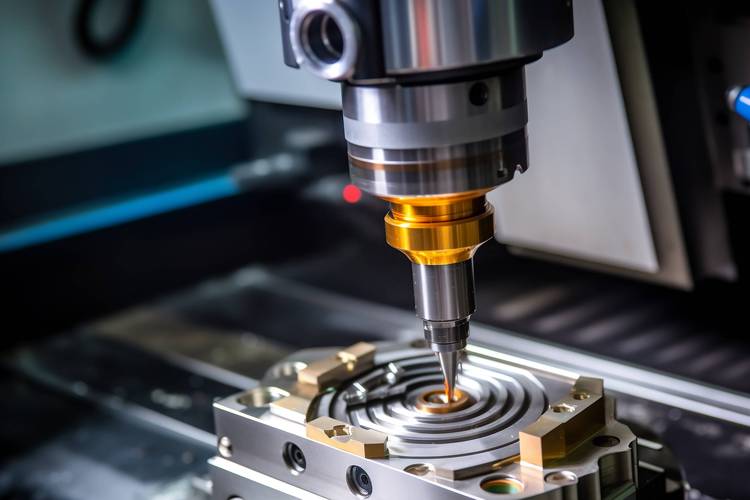
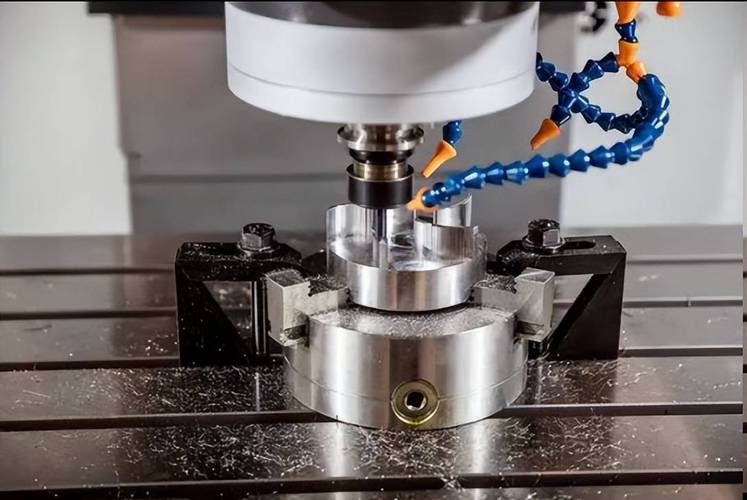
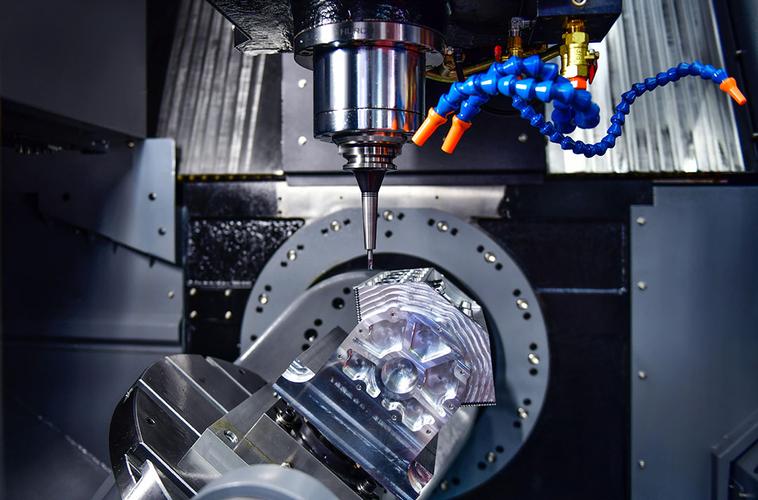
What is a CNC Machining Center?
A CNC machining center is an advanced, computer-controlled machine tool capable of performing multiple machining operations—such as milling, drilling, tapping, boring, and sometimes turning.
Ashely . March 9, 2026
How many kinds of Types in CNC Machining Centers?
There are at least 5 different CNC lathes type in Machining Centers: Vertical Machining Center, Horizontal Machining, 5-Axis Machining Center, Gantry / Bridge Mill, Turn-Mill Center (Multi-Tasking).
Ashely . March 9, 2026
What is CNC Machining?
CNC (Computer Numerical Control) machining is a subtractive manufacturing process in which pre-programmed computer software controls the movement of factory tools and machinery to remove material from a solid workpiece, creating a finished part or product.
Ashely . March 9, 2026