The Top Chinese 3D Printing Partner

We Offer a Variety of 3D Printing Materials

Material selection determines whether a part works, lasts, can be made cost-effectively, and meets all functional and regulatory demands. Skipping this step leads to redesigns, production delays, or field failures.

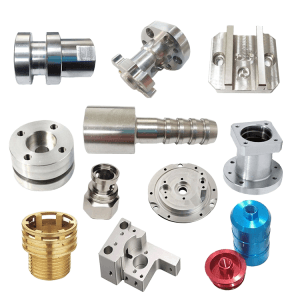
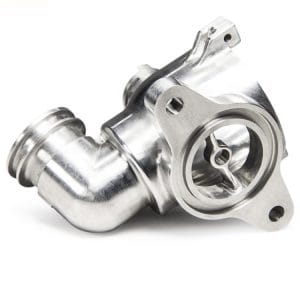
Check out our wide selection of quality materials, those materials meeting the needs of different projects for strength, corrosion resistance, and specialized physical properties for customized parts by CNC machining, injection molding, sheet metal fabrication and 3D printing, vacuum casting, die casting for both prototyping and production stages.

Ready to elevate your production? Let’s go !

  • RPD Provide 24/7 Engineering Support All Year Round.
  • All tools & 3D printing parts are engineered and produced in house
  • More Than 20+  Certified 3 printing Materials for Choose. Offer CoCs, Material Certifications, Inspection Reports.
  • ISO 9001:2015 quality standards.
  • Expert DFM & process optimization

Why does material selection matter so much for custom parts?

Choosing the right material for custom parts is critical because it directly impacts performance, cost, manufacturability, and longevity.

Mechanical & Physical Properties

Strength, hardness, flexibility, weight, thermal resistance, and conductivity all depend on material. The wrong choice can lead to premature failure or poor functionality.

Application Environment

Will the part face high temperatures, corrosive chemicals, moisture, UV exposure, or heavy wear? Materials must be selected to withstand real-world conditions.

Manufacturing Compatibility

Not all materials work well with every process. The right material ensures efficient production with fewer defects.

Cost & Lead Time

Material cost varies widely. Over-specifying (e.g., using titanium where aluminum works) drives up expense. The right balance saves money without sacrificing quality.

Surface Finish & Aesthetics

Some materials polish better, take paint or anodizing more easily, or have natural color/texture. This matters for visual or consumer-facing parts.

Regulatory & Safety Requirements

Medical, aerospace, and food-contact parts must meet specific standards (e.g., FDA, ISO, RoHS). The right material ensures compliance.

Custom Parts with More than 20+ Materials

Provide Various Materials of  3D Printing Materials One-Stop Services for Different Industries.

We provide engineering-grade metal and plastic materials for 3D printing services. Our engineers will work closely with you to understand your specific application requirements and recommend a tailored material solution that offers optimal strength, high precision, and exceptional cost-effectiveness.

3D Printing Plastic Materials: Resin, ABS, Nylon/PA, PA+Glassfibre, PLA, PETG, PC.
Metal: Aluminum, Stainless Steel, Tool Steel, Titanium.

resin 3d printing

Resin

Extremely high precision, with relatively high hardness and rigidity, but usually lacks sufficient toughness. If your needs are for high-precision, aesthetically refined models, such as figurines, jewelry wax patterns, or dental models, resin is an excellent choice
abs 3d printing

ABS

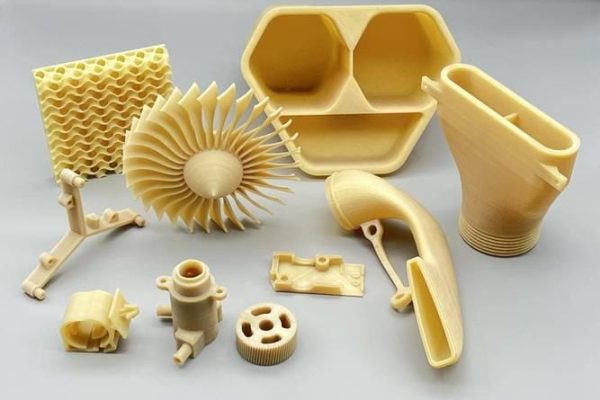
One of the most widely used plastics in industrial production. Its toughness, impact resistance, and heat resistance are all superior to PLA and PETG. It offers high strength, high toughness, impact resistance, and good heat resistance, but is prone to warping and cracking.
pa nylon 3d printing

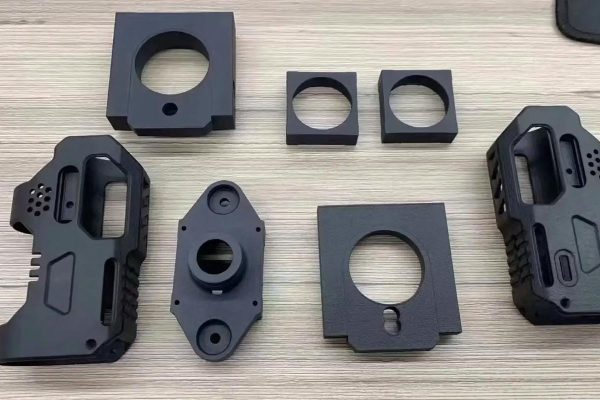
Nylon/PA

Nylon possesses excellent impact resistance and wear resistance, along with self-lubricating properties, making it highly suitable for printing parts that require relative motion and bear repeated loads, such as gears, bearings, and snaps
pla 3d printing

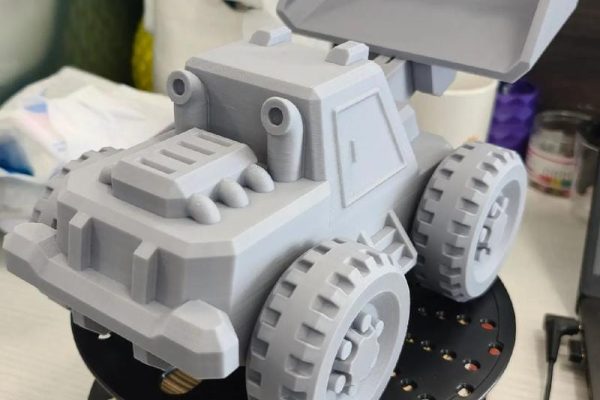
PLA

PLA has poor heat resistance, low strength, and is brittle, but it gives a smooth finish and costs little. It's great for quick, low-cost appearance prototypes or educational models. But don't use it for any functional or load-bearing parts.
pc 3d printing

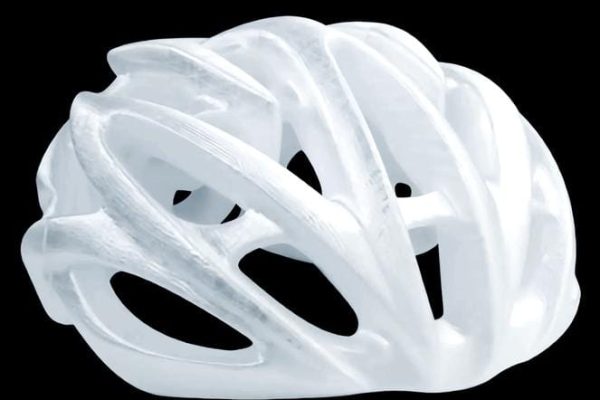
PC

High strength, high heat resistance, and excellent impact resistance — when you're pursuing ultimate strength and heat tolerance, PC is the material to choose. If your part needs to withstand significant force or elevated temperatures, PC is the way to go.
petg 3d printing

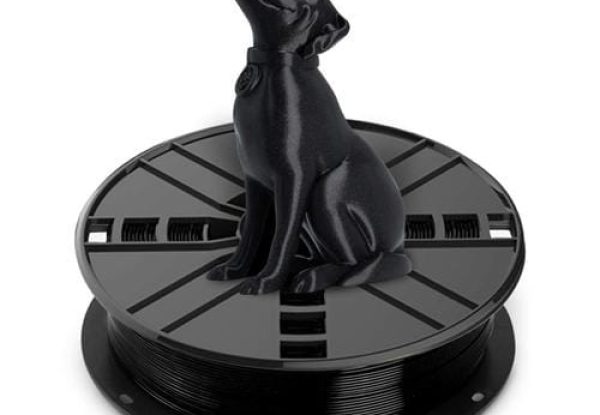
PETG

Good toughness, clear transparency, and low shrinkage. However, the surface wears easily and it strings a lot, so you need to tweak the settings. It's like an upgraded PLA, easier to print, stronger, tougher, and less warping.
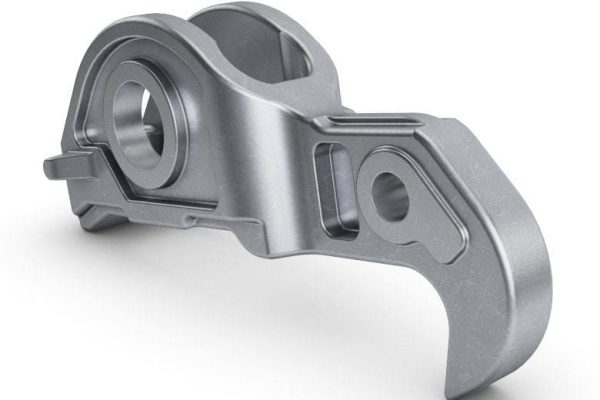
aluminum 3d printing

Aluminum

It is specifically designed for applications demanding high dynamic load capacity and lightweight construction. It is particularly well-suited for manufacturing parts that require complex internal cooling channels, such as heat sinks and aerospace engine components, reducing weight while maintaining structural strength
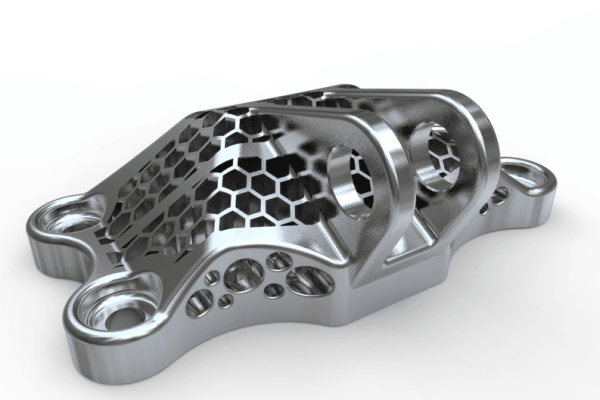
metal 3d printing

Stainless Steel

It maintains high strength and rigidity while offering excellent corrosion resistance. This makes it the top choice across a wide range of industries, from food processing equipment and chemical facilities to surgical instruments
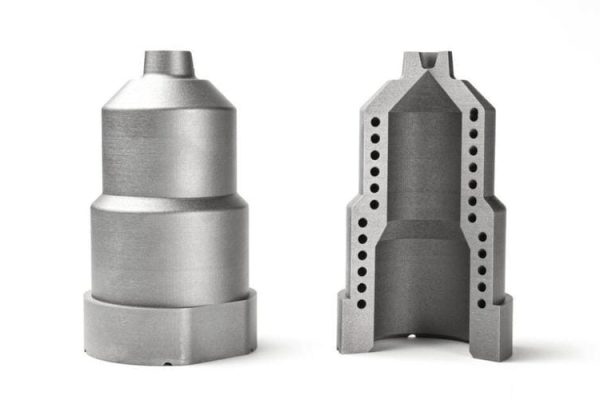
tool steel 3d printing

Tool Steel

Tool steel is engineered specifically for demanding industrial applications. It offers better thermal conductivity and can achieve extremely high hardness (HRC 54) after heat treatment. Its primary battlefield is the manufacturing of injection molds and metal casting tools, and it is particularly well-suited for producing complex mold cores with conformal cooling channels.
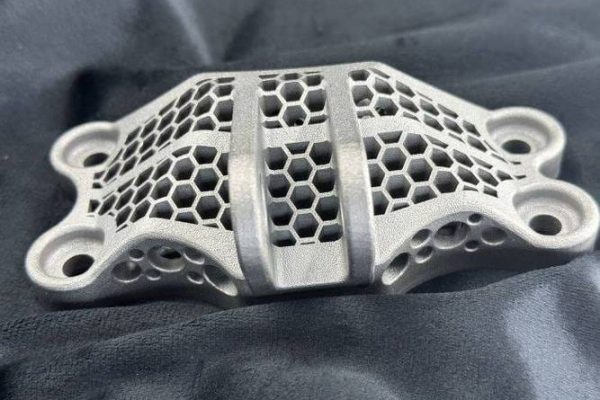
titanium alloy 3d printing

Titanium

Titanium alloys are often regarded as the 'pinnacle' material in metal 3D printing. They combine an exceptional strength-to-weight ratio, excellent corrosion resistance, and good biocompatibility. They are used to manufacture engine fan blades and critical airframe structural components, as well as customized artificial joints and bone implants
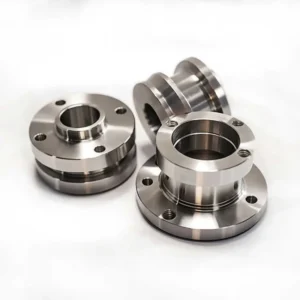
Comparsion of CNC Materials


Blog & News

cnc milling
5 axies cnc machining
cnc milling cnc machining

What is a CNC Machining Center?

A CNC machining center is an advanced, computer-controlled machine tool capable of performing multiple machining operations—such as milling, drilling, tapping, boring, and sometimes turning.

Ashely . March 9, 2026

How many kinds of Types in CNC Machining Centers?

There are at least 5 different CNC lathes type in Machining Centers: Vertical Machining Center, Horizontal Machining, 5-Axis Machining Center, Gantry / Bridge Mill, Turn-Mill Center (Multi-Tasking).

Ashely . March 9, 2026

What is CNC Machining?

CNC (Computer Numerical Control) machining is a subtractive manufacturing process in which pre-programmed computer software controls the movement of factory tools and machinery to remove material from a solid workpiece, creating a finished part or product.

Ashely . March 9, 2026

Would you like to start a project with us?

FAQs About Our NPI Solutions Services

Why 3D printiing?

The core reasons for using 3D printing to make prototypes can be summed up in three words: fast, economical, and free. It has fundamentally transformed the traditional model of prototype making, which was often time-consuming and costly, by enabling designers to quickly test, fail, and iterate. Moreover, 3D printing can produce irregular shapes that are impossible to achieve with traditional methods.

The prototype workshop have more 20+ 3D printer to meet different production requirements. Request equipment list, contact our team: ashely@rpdmfg.com.

We operate under a rigorous Quality Management System (QMS) aligned with ISO standards. Our 5 Steps QC process is including IQC (Incoming Quality Control) , FQC (Final Quality Control) , OQC (Outgoing Quality Control) for routine production.
QE (Quality Engineering) / CAPA (Corrective and Preventive Actions) implemented throughout the entire product lifecycle, especially during the post-sale stage, to drive continuous improvement. Simply speaking  100% inspection before shipment to ensure zero defects.

One of the reasons engineers purchase from RPD is that we take on all the risks for you. We guarantee you’ll love what you get. Not happy with it? We’ll either redo it or give you a full refund. Your purchase is completely risk-free.

We accept STEP,  STL, etc.

1. Part geometry – shapes and complex designs, thin-walled, fine details and complex geometries require 3D printed parts with special supports, which will incur additional costs.

2. Material Selection – Metal 3D printing is much more than plastic. Besides, especial functional material and premium imported 3D printing is more expensive than domestic made material.

3. Tolerances & Precision – High-precision parts (automotive, medical) require tighter mold tolerances — which complicates design and increases cost.

4. The Size of prototype parts- the bigger and heavy parts need to use more materials, it will cost much than small size parts.

5. Extra surface treatment, like hand polish, painting, Electroplating, ect will up cost.

Yes, we offer two key benefits for molds set up at our facility: free storage and free maintenance.

Tell Us About Your Project Today!

Turn your concept into production today, Validate your design with real parts!