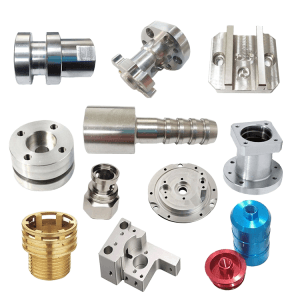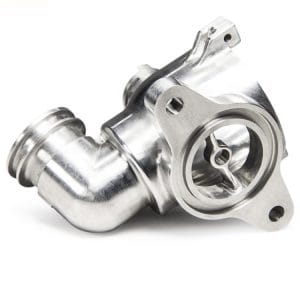
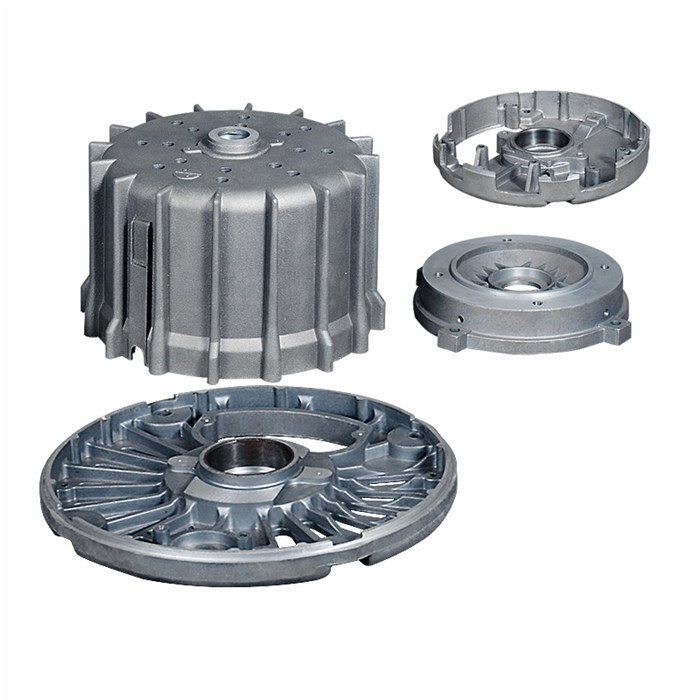
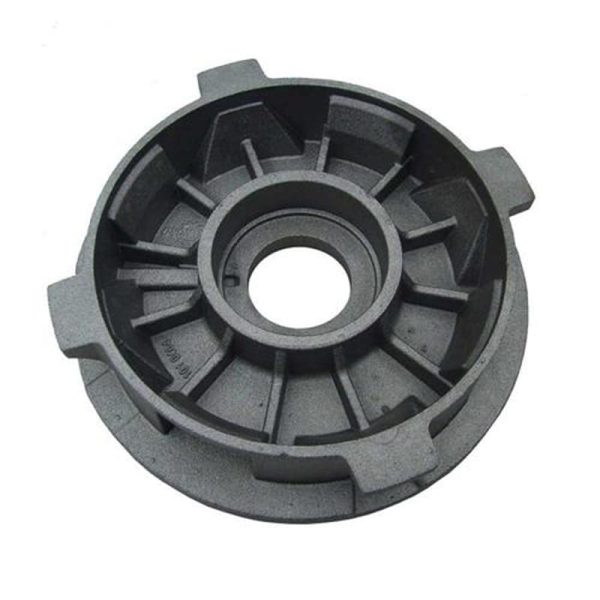
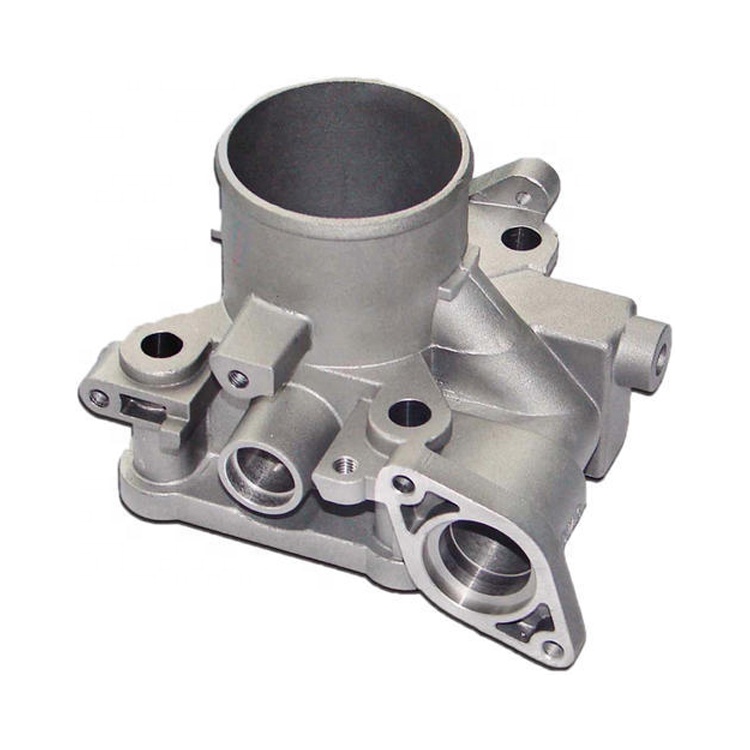
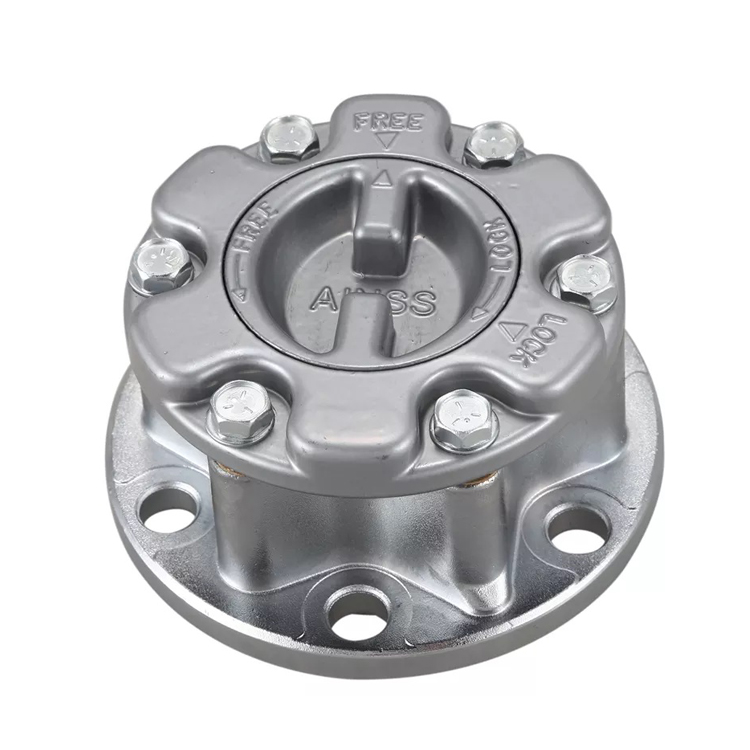
The Top Chinese Die Casting & Precise Casting Partner
Custom Die Casting & Precison Casting Services
Get innovative die casting molded parts with RPD. We provide custom molds designed to your exact specifications from prototype to production at competitive prices with fast lead times. Our experts handle the complexity,help you get to market faster. Ready to elevate your production? Let’s go !
- High-pressure die casting (HPDC): Standard mass production for zinc, aluminum and magnesium alloys
- Low-pressure die casting (LPDC): Denser structure for high-strength aluminum components
- Gravity casting: For large, thick-wall aluminum parts with lower tooling cost
- Investment casting (lost wax casting): Precision casting for complex geometries, stainless steel, carbon steel and superalloys
- Sand casting: For large, low-volume metal components
What is Die Casting & Precise Casting?
Die casting is a high-pressure metal casting process that forces molten metal into a steel mold cavity under high pressure. The metal solidifies quickly, and the finished part is ejected from the die.
Die casting produces high-volume metal parts with excellent dimensional accuracy, smooth surfaces, thin walls, and complex geometries at low cost per part.
Today, die casting remains one of the fastest bulk production processes for precision non-ferrous metal components.
Precision Casting is also known as Investment Casting or Lost Wax Casting, which uses a wax pattern with a disposable ceramic shell to create complex, high-accuracy parts from almost any metal. Suit for small to medium batch metal parts.
What’s advantages of Die Casting & Precise Casting?
Consistent Quality & High Repeatability
Tooling produces identical parts every cycle, part #1 and part #1,000,000 are nearly the same. This minimizes scrap, reduces rejects, and ensures reliable quality for high-volume production.
Very High Production Speed
Tooling enables extremely fast cycle times: injection molding in seconds, Without tooling, each part would take hours (machining, manual fabrication).
Low Cost when High Volume
High upfront tooling cost is spread across tens of thousands to millions of parts. The more you produce, the cheaper each part becomes pennies at very high volume.
Minimal Material Waste
Tooling-based processes (injection molding, die casting, stamping) achieve 85–99% material utilization, far better than CNC machining. Less scrap means lower material cost plus better sustainability.
Complex Geometries & Fine Details
Tooling produces intricate shapes, thin walls, undercuts, threads, and surface textures that would be impossible or extremely expensive to machine individually. All features are built into the mold or die.
Automated Operation & Wide Material Range
It works seamlessly with robotic part handling and inspection systems, reducing labor costs and enabling lights-out manufacturing. Material versatility, works with both plastic and metal, even composite materials.
Die Casting & Precise Casting Capabilities to Mass Production
Precise Casting Services
Tool Material: Wax, ceramic, resin
Lead time: 1–4 weeks
Lifespan: 1–100k shots
Best for: Prototypes, design iteration, low-medium production
Die Casting Service
Tool Material: SKD61, H13, FDAC, SKD61, H13, 8407, DAC55, DAC10, QRO90, etc
Lead time: 4–10 weeks
Lifespan: 100k–2M+ shots
Best for: High-volume, long-run manufacturing
Why Choose RPD?
Professional CNC Machining, sheet fabrication, Injection Molding & rapid prototyping, Professional Services, Comprehensive A-Z Solutions.
Guaranteed Quality & Rigorous Inspection
Advanced Technology & Broad Capabilities
Technical Partnership & Engineering Support
Wide Material/Project Experience
Competitive Value & Cost Optimization
Speed & On-Time Delivery
Die Casting & Precise Casting Production Materials
We believe in using the highest quality materials for your tooling and molding project will booster your business. It’s important that your punch pressed parts are able to withstand the demands that will be put on them every day.
For Die Casting Tooling Materials
SKD61, H13, FDAC, SKD61, H13, 8407, DAC55, DAC10, QRO90, etc. Die casting material including Aluminum, Magnesium, Zinc, Brass.
Die casting material including Aluminum, Magnesium, Zinc, Brass.
For Precise Die Casting Materials
Carbon Steels, Stainless Steels, Tool Steels, Nickel alloys, Cobalt alloys, Copper Alloys, Aluminum Alloys,Titanium Alloys, etc.
Understanding material grades, properties, and trade-offs is key. Let us help you select the right material for your application. Contact us to explore more materials today!

A380/ADC12
Best Fluidity, Best Overall Performance, Most Economical. Standard parts, housings, brackets, general industrial components.
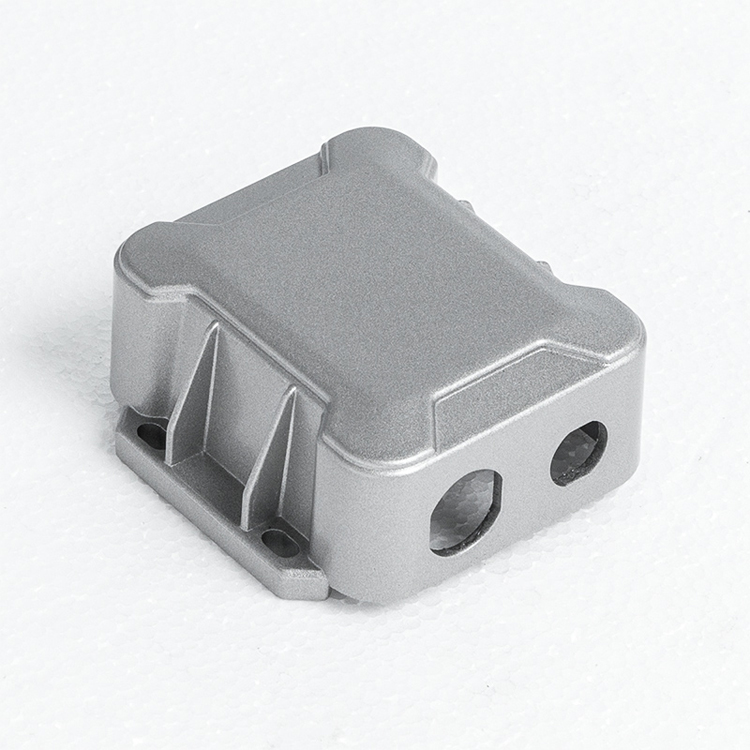
A383/ADC10
Best Fluidity, Ideal for Complex Thin-Walled Parts Thin-walled housings, precision electronic parts, complex heat sinks. More Metals
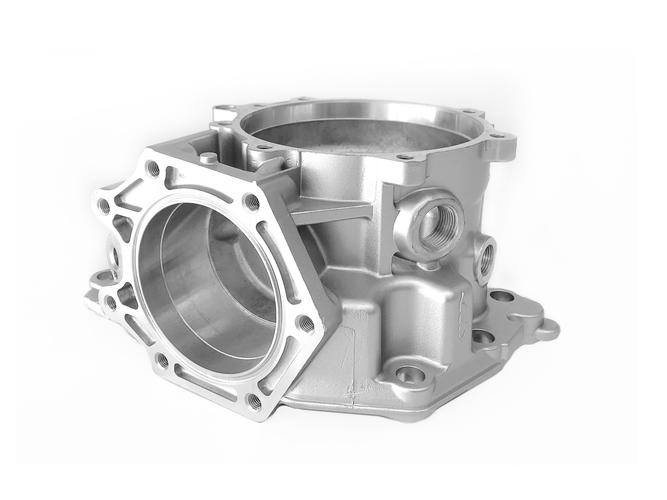
A413
Best Airtightness (Gas Tightness) Hydraulic valve bodies, airtight containers. More Metals
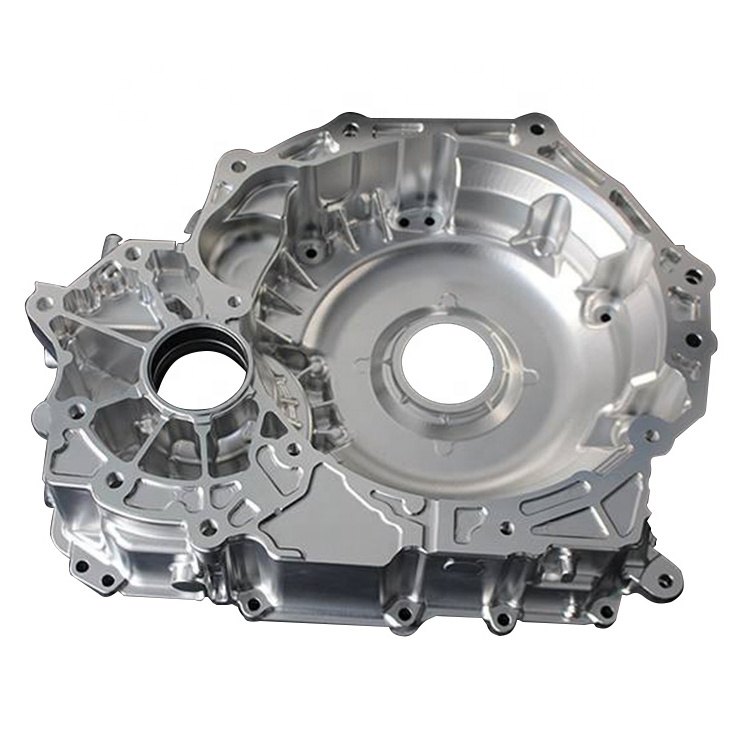
A360
Best Corrosion Resistance & Toughness Outdoor equipment, chemical pump bodies, high-strength structural parts. More Metals
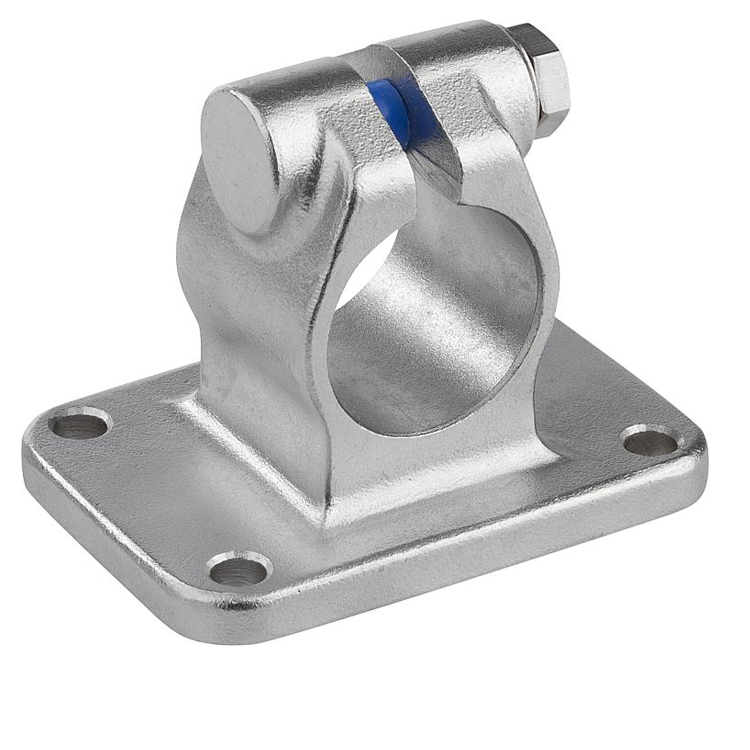
AZ91D
The lightest, with a density of approximately 1.74 g/cm³, it is 33% lighter than aluminum and has higher strength. It has excellent electromagnetic shielding properties and is suitable for automotive instrument panel brackets, steering wheel frames, and 3C electronic product casings.
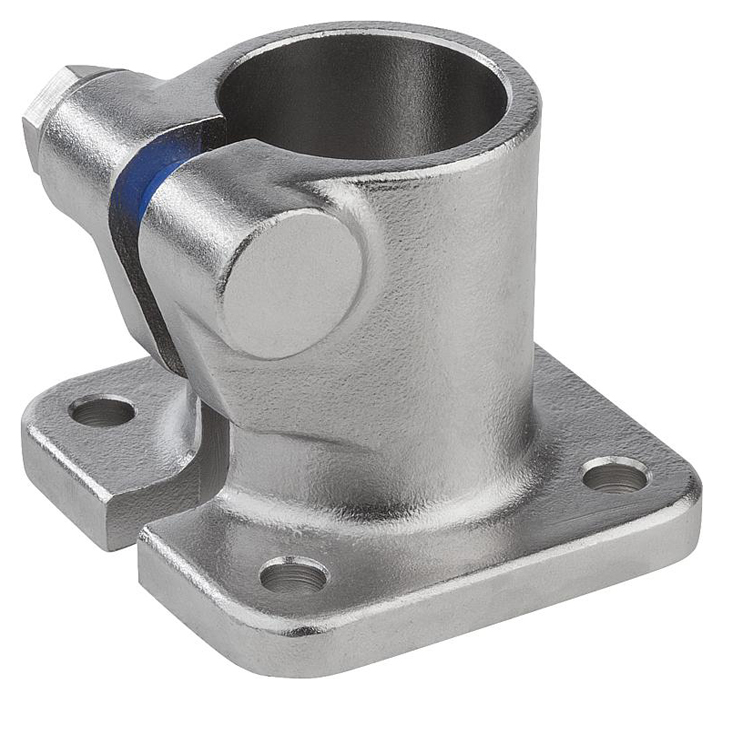
AM60B
The lightest, with a density of approximately 1.74 g/cm³, it is 33% lighter than aluminum and has higher strength. It also has excellent electromagnetic shielding properties and is suitable for use in seat frames, airbag shells
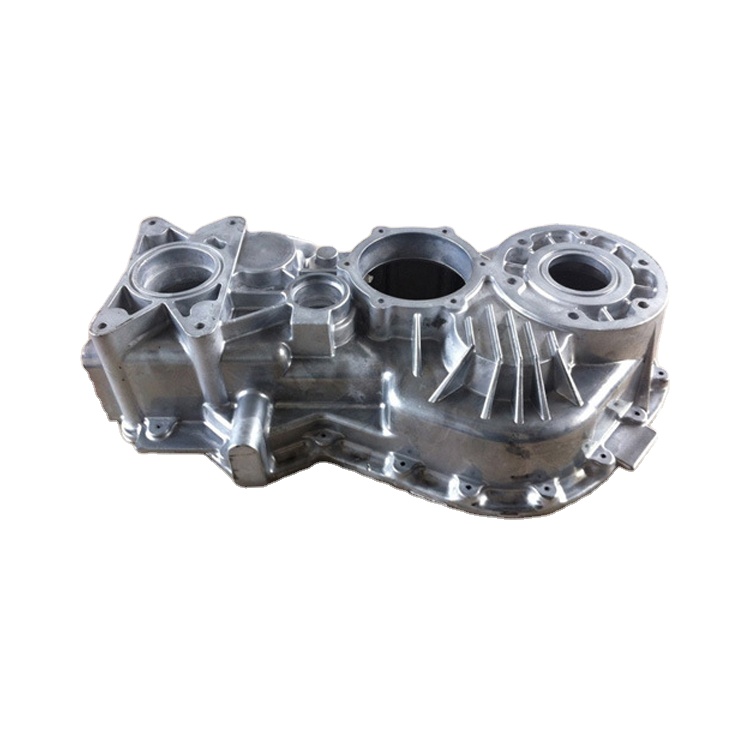
AM50A
AM50A is the core material for lightweighting of components. Especially in parts with high requirements for safety and rigidity, such as the car seat frame and backrest, dashboard crossbeam, and safety components.
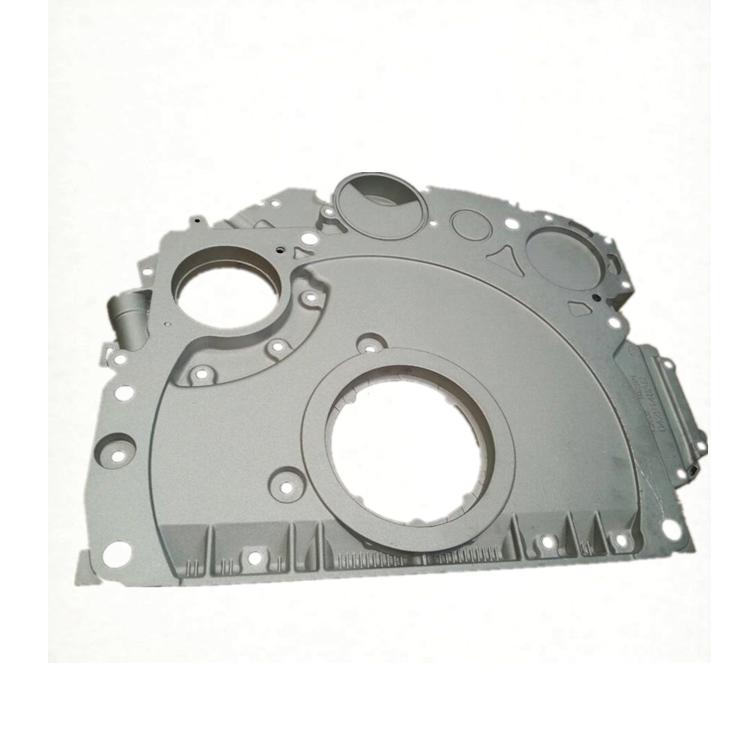
ZAMAK 3
Low melting point: approximately 380 - 390°C, with minimal thermal shock to the mold High fluidity: Capable of manufacturing thin-walled (less than 1mm) and high-precision parts Long service life of molds: Die-casting molds can last for over 1 million cycles. The surface treatment performance is excellent, suitable for exterior parts, bathroom hardware, toys, etc.
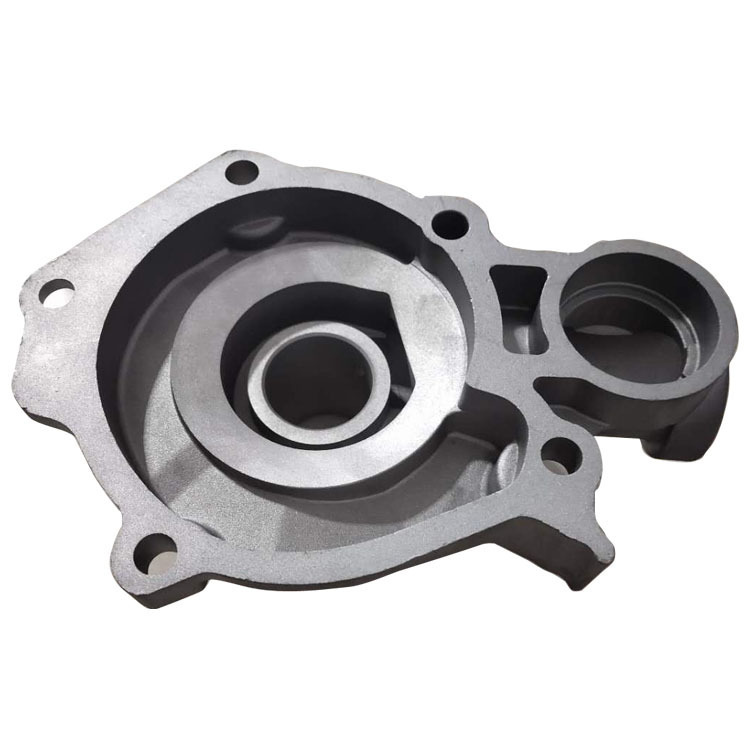
ZAMAK 2
As the strongest and hardest grade in the ZAMAK series, ZAMAK 2 offers exceptional wear and creep resistance making it ideal for load-bearing components that demand high mechanical performance. Common applications include heavy-duty gears, worm gears, and sheet metal forming dies.
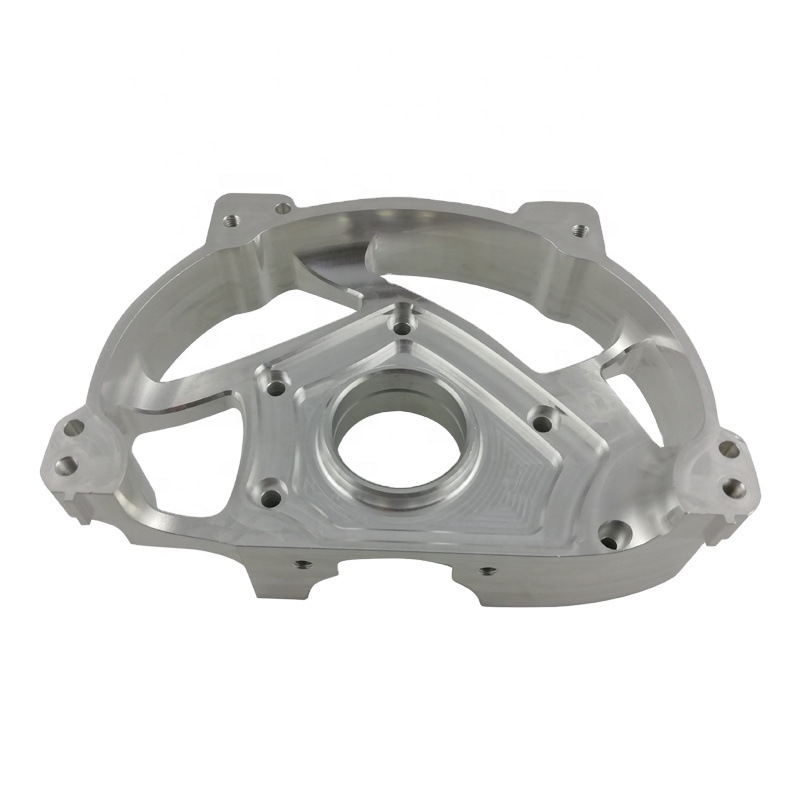
ZAMAK 5
Low melting point: approximately 380 - 390°C, with minimal thermal shock to the mold High fluidity: Capable of manufacturing thin-walled (less than 1mm) and high-precision parts Long service life of molds: Die-casting molds can last for over 1 million cycles. The surface treatment performance is excellent, suitable for industrial parts, high-strength connectors, etc
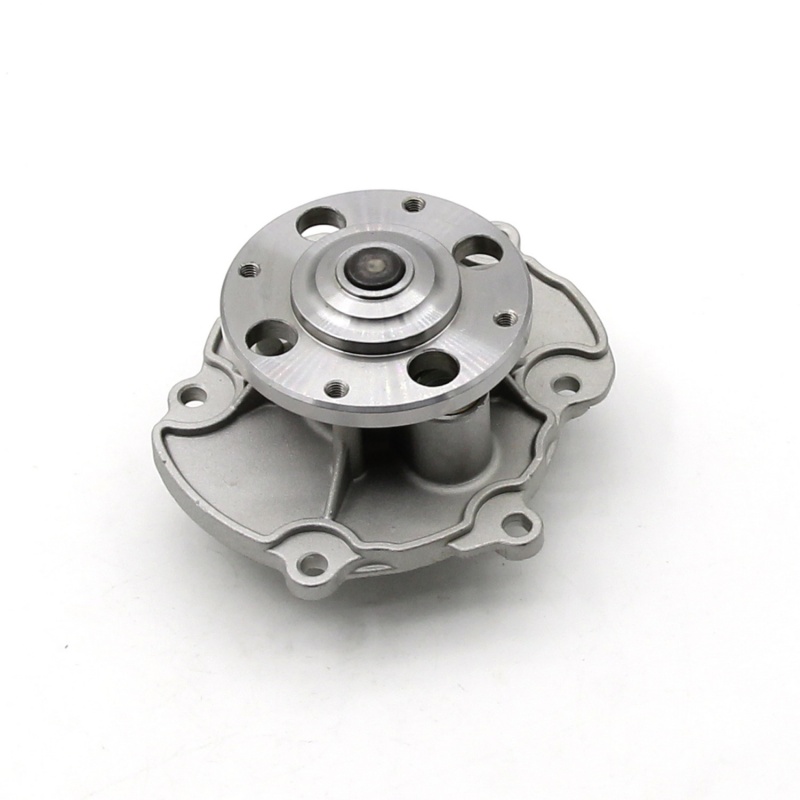
Steels
Carbon Steels:1020, 4130, 4140, 4340, 8620, etc. Stainless Steels:03, 304, 316 (austenitic), 410, 416, 440C , 15-5 PH, etc. Tool Steels: A2, D2, M2, O1, S7, etc.
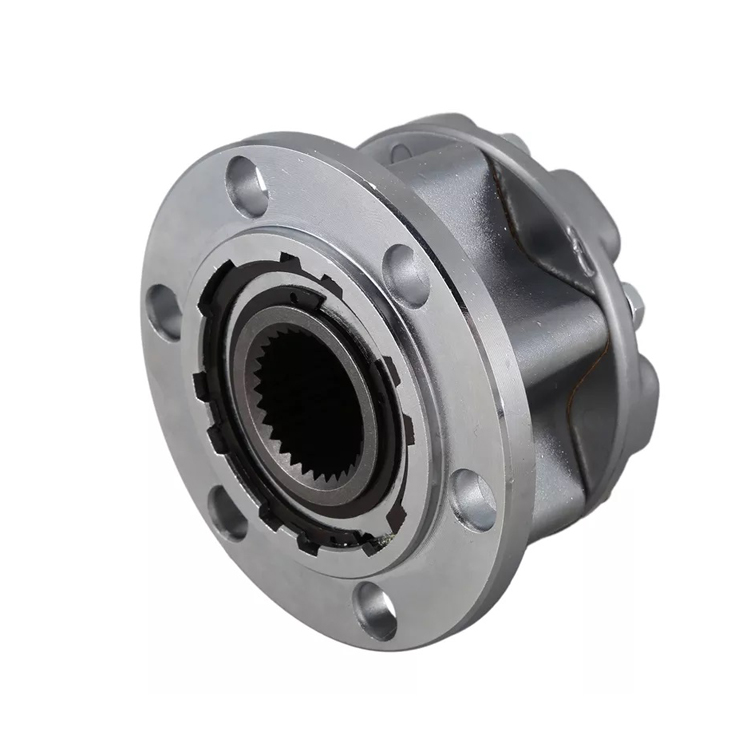
Aluminum Alloys
Al-Si alloys: A356, A357 Al-Si-Cu alloys: 319 Al-Si-Mg alloys: 443 Al-Mg alloys: 535 High-strength alloys: 206
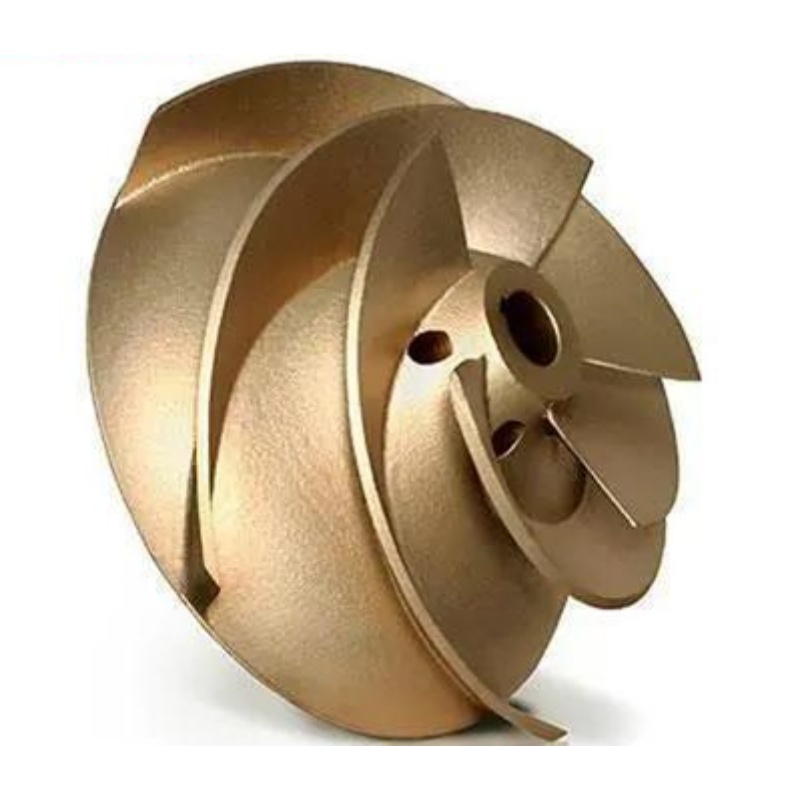
Copper Alloys
Copper-based materials, offer excellent corrosion resistance and conductivity. Silicon Bronze: C87300, C87500, C87600 Aluminum Bronze: C95400, C95500, C95800
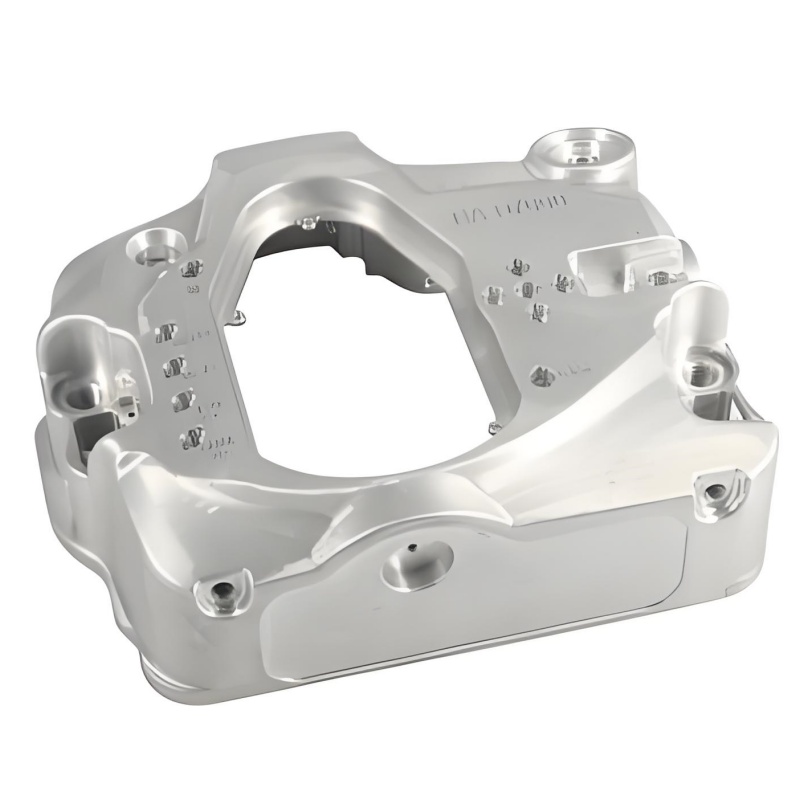
Titanium Alloys
α + β alloy: Ti-6Al-4V (Grade 5), Ti-6Al-4V ELI (Grade 23) Commercially Pure Titanium: Grade 2 High-strength titanium alloy: Ti-5Al-2.5Sn

Surface Finishing of Die Casting
Shot Blasting
Uses coarse steel shots to clean die-cast surface oxide, burrs, and sand holes. Roughs up the surface to improve coating adhesion, the essential pre-treatment for all die-cast finishing.
Chemical Conversion Coating
Also known as chromate coating. Forms a thin protective film on die-cast aluminum surfaces. Low cost, fast processing, greatly improves corrosion resistance without affecting assembly tolerance.
Nickel Plating
Delivers a smooth, bright metallic finish for zinc and aluminum die-castings. Balances wear resistance and aesthetics, ideal for hardware accessories and electronic die-cast structural parts.
Matte Black Spraying for Die Casting
Custom matte coating tailored for die-cast parts. Hides inherent casting pores and surface unevenness, delivers a premium unified appearance for consumer electronic die-cast housings.
Clear Dipping (Clear Coating)
Transparent protective dipping layer for die-cast parts. Preserves the original metal silver tone while adding anti-tarnish and anti-fingerprint protection. Perfect for home appliance die-cast parts and visible hardware components needing a raw metallic look.
Gold/Titanium PVD Coating
Physical vapor deposition coating for high-end die-cast hardware. Ultra-thin, ultra-hard decorative coating with gold, rose gold, titanium black colors. No pore exposure, scratch-resistant and fingerprint-proof, commonly used for luxury consumer electronics and sanitary die-cast parts.
Die-cast aluminum/zinc parts have porous surfaces and low precision. Their finishes focus on covering casting defects and enhancing anti-corrosion performance.
Click Here for Quick Die Casting Surface Finishing
Custom Parts For Different Industries
Provide CNC Machining One-Stop Services for Different Industries
Which Process Should I Choose?
Die Casting Vs Precise Casting
Process | Best Materials | Core Advantages | Typical Application | Production Volume |
High-Pressure Die Casting (HPDC) | Aluminum, Zinc, Magnesium | Fast cycle speed, high repeatability, smooth surface, low unit cost | Electronic housings, automotive parts, consumer hardware | Mass production |
Low-Pressure Die Casting (LPDC) | Aluminum alloys only | Denser internal structure, fewer porosity, higher mechanical strength | Structural parts, load-bearing components, automotive chassis parts | Medium to high volume |
Gravity Casting | Aluminum alloys | Low tooling cost, supports thick walls and large-size parts | Large mechanical components, thick aluminum frames, custom thick housings | Low to medium volume |
Investment Casting (Lost Wax Casting) | Stainless steel, carbon steel, brass, superalloys | High precision, fine surface, complex geometry achievable, no parting line flash | Precision machinery, medical parts, aerospace components, valve fittings | Small to medium batch |
Sand Casting | Aluminum, iron, steel alloys | Ultra-low tooling cost, unlimited part size, flexible customization | Large industrial equipment parts, heavy machinery housings, low-volume prototypes | Low volume / prototype |
We cover the full casting spectrum: HPDC for cost-effective mass production, LPDC for high-strength aluminum structures, gravity casting for large thick-wall parts, investment casting for precision metal components, and sand casting for large low-volume industrial parts. We match the optimal process based on your material, geometry, strength requirement and order quantity.
Would you like to start a project with us?
End-to-End 6D Solutions, From Concept to Mass Production. Integrated 5 Steps Quality Control Across Every Stage.
Phase 1: DFM & Material selection
The process encompasses: conducting a product feasibility analysis, specifying the manufacturing processes and mold materials, establishing tolerance standards, and formulating cost optimization strategies.
Phase 2: Mold Design
The scope includes leveraging mold flow analysis, design simulation, and structural optimization to guarantee high performance and superior manufacturability.
Phase 3: Mold Manufacturing
Encompasses precision manufacturing processes, including CNC machining, EDM, texture,assembly, polishing, etc, each executed to exacting standards.
Phase 4: Mold Testing
De-risks production by using in-house trials to verify mold function and confirm part quality.
Phase 5: Sample Confirmation
Before the final approval, provide the customers with satisfactory samples for evaluation and feedback.
Phase 6: Mold & Parts Delivery
Upon customer approval, molds will be either shipped or retained in-house for batch production and free maintenance.
How can we work close with our client?
A – Z Assistance:
1)Our professional team will provide 24/7 Engineering Support
by one-on-one assistance.
2)Our experienced engineers will freely review and optimize your part designs (DFM), provide actionable feedback, and deliver competitive quotations, which all based on your design drawings, application requirements, and desired outcomes.
4)Throughout production, you’ll receive progress updates every 2–3 days.
5) Upon completion, we’ll share high-quality photos of finished parts and packaging, along with full documentation: inspection reports, shipping details, and material certifications.
Die Casting & Precise Casting with Expert DFM & Engineering Support
What Our Engineering & DFM Support Includes?
Design Review
Analyze CAD models for manufacturability, tolerance feasibility, and material suitability
Material Selection
Recommend the optimal metal, plastic, or composite based on strength, cost, and application needs。
Design Optimization
Adjust sharp corners, deep cavities, thin walls, or hard-to-machine details for efficient production
Tolerance Analysis
Ensure critical dimensions are achievable while avoiding unnecessarily tight tolerances that drive up cost
Tool Access Check
Identify features that may require special tooling or 5-axis machining
Cost Reduction Suggestions
Propose design changes that reduce cycle time, tool wear, or secondary operations
How to work with RPD?
Upload Design Drawing
- Send 2D/3D drawing online or by email
- Design Drawing format: STEP, IGES, DWG, PDF, STL, etc
- If you have multiple files, zip them or send by email to ashley@rdpmfg.com
DFM Analysis & Quote
- Our engineer team will review & analyze every file carefully.
- Request more details or provide optimize solution.
- Offer accurate quote with 6 hours.
Order Confirmation
- Confirm order & delivery details, sign the contract.
- Arrange & start to production.
- Check and confirm all details during production, Track every steps.
Parts Delivered
- Control quality during production.
- Provide order photos,inspection sheet and other request documents.
- Pack & label orders, then shipping.
FAQs About Our Die Casting & Precise Casting Services
Why die casting?
Die casting is chosen when you need high-volume metal parts with tight tolerances, complex geometries, thin walls, and excellent surface finish — all with minimal secondary machining.
What is the typical dimensional tolerance for precision casting parts?
Precision casting achieves ±0.1–0.3 mm tolerances, while secondary CNC machining can tighten critical features down to ±0.01 mm.
What die casting and precise casting services do you offer?
What is the difference between die casting and precise investment casting?
What metal materials can you cast?
What is the typical lead time for a precision casting order?
Initial orders, including tooling development, typically take 4–6 weeks. Once the mold is completed, repeat orders usually require 2–3 weeks, depending on part complexity and quantity.
What is the minimum wall thickness for custom casting parts?
What Factors will Influence Tooling Design?
1. Part Geometry – Shape, size, and complexity drive mold design. Thin walls, intricate details, and complex geometries require specialized features like additional cooling or advanced gating systems.
2. Material Selection – The plastic type affects cooling rates, shrinkage, and flow. Polypropylene shrinks more; polycarbonate needs higher mold temperatures. Abrasive or corrosive plastics also demand wear-resistant mold materials.
3. Tolerances & Precision – High-precision parts (automotive, medical) require tighter mold tolerances — which complicates design and increases cost.
4. Ejection System – Ejector pins, air blasts, or stripper plates must be carefully integrated to remove parts without damage — affecting both design and cycle time.
5. Gate Design – Gate type and location (direct, pin, edge) control how molten plastic enters the mold, impacting part quality, surface finish, and cycle time.
6. Undercuts & Parting Lines – Undercuts or complex shapes may require side actions or lifters to release the part, increasing mold complexity and cost.
Can we store the mold at your facility for future production orders? Do you provide free maintenance for the mold?
Yes, we offer two key benefits for molds set up at our facility: free storage and free maintenance.