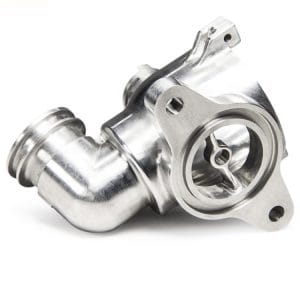
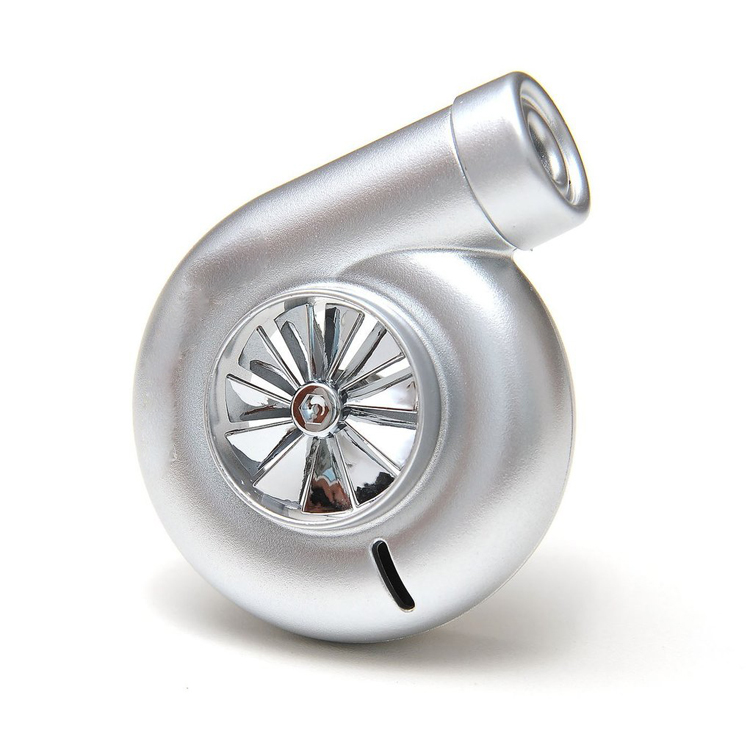
The Top China EDM / Wire EDM Services
What are EDM and Wire EDM?
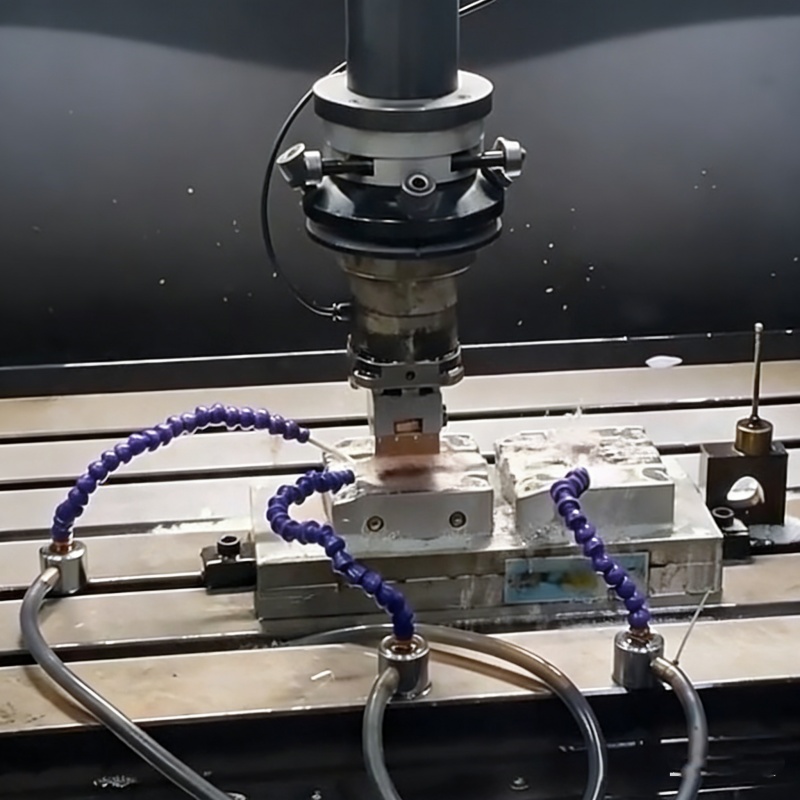
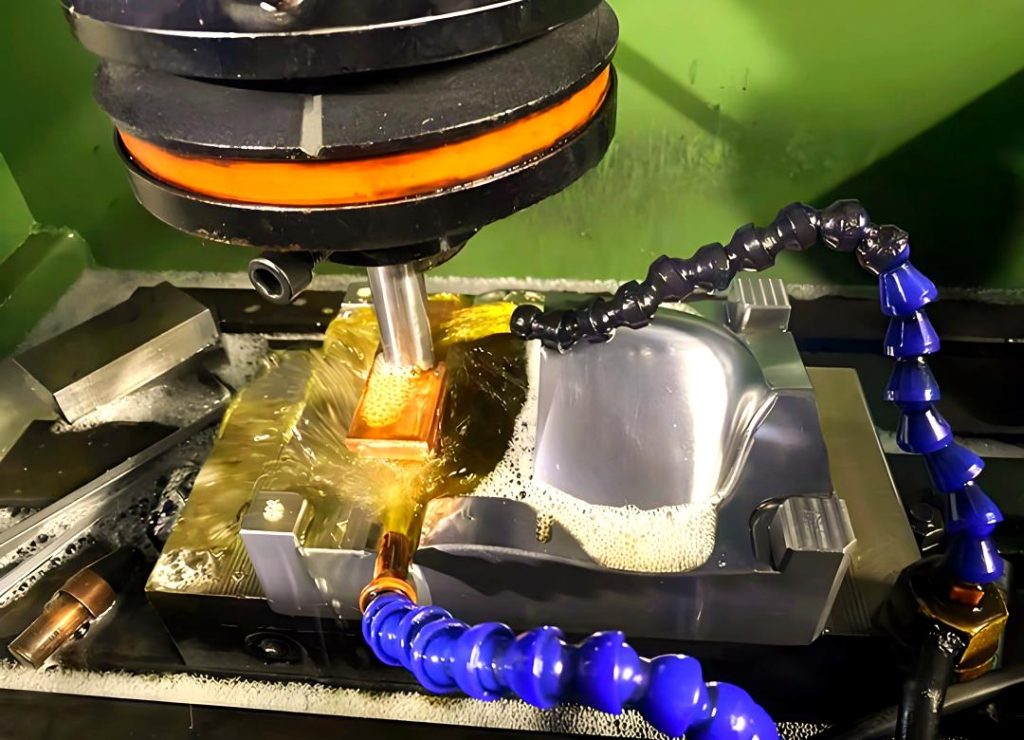
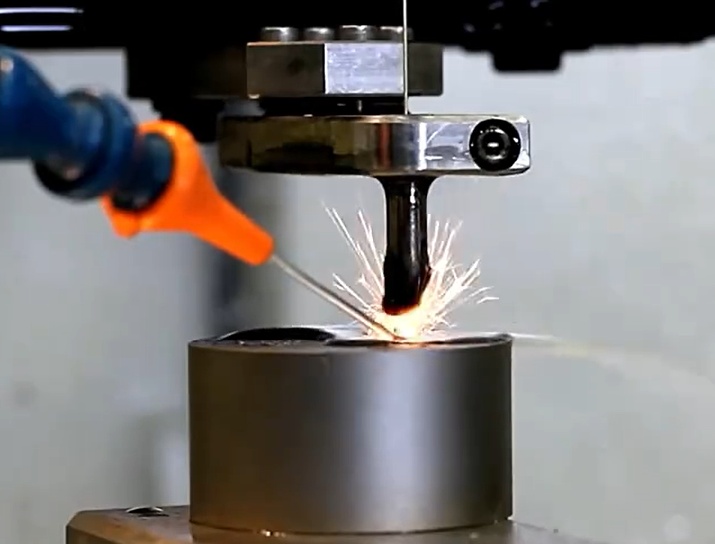
EDM (Electrical Discharge Machining)
A non-traditional process that uses electrical sparks to erode conductive materials.
Typical parts: Injection mold cavities, forging dies, deep ribs, square corners
Wire EDM
A precision process that uses a thin, continuously moving wire to cut conductive materials.
Typical parts: Extrusion dies, punch and die sets, gears, medical instruments, turbine blades.
Sinker EDM uses a shaped electrode for 3D blind cavities (molds); Wire EDM uses a moving wire for precise 2D through-profiles. Both machine any hardness with zero cutting force and no burrs.
What’s advantages of EDM Machining?
Excellent Precision & Accuracy
Achieves tight tolerances (±0.0001" / ±0.0025mm)
Machines Any Hardness
Can cut hardened steel, carbide, titanium materials that destroy cutting tools.
Excellent Surface Finish
Spark erosion leaves no burrs, reducing secondary finishing,Can achieve very fine finishes (Ra 0.2–0.8 µm) with multiple finishing passes.
Complex Shapes
Can produce sharp internal corners and deep narrow slots that milling cannot.
High Flexibility in Shapes
Can machine deep, narrow features (high aspect ratio) that end mills cannot reach.
No Mechanical Stress
No cutting forces, ideal for thin walls, delicate features, small parts.
EDM Capabilities
Sinker EDM
Slow but precise (20–400 mm³/min). Requires custom electrode (adds 1–3 days).
Best for complex 3D cavities, molds, sharp corners. Can run unattended for finishing, Machine any hardness, zero cutting force, no burrs.
Wire EDM
Cuts at 100–500 mm²/min (area). No electrode needed — faster setup. Can stack thin parts for higher output
Excellent for lights-out unattended operation (8–24 hours). Best for precision 2D profiles, punches, dies, gears.
Why Choose RPD?
Professional CNC Machining, sheet fabrication, Injection Molding & rapid prototyping, Professional Services, Comprehensive A-Z Solutions.
Guaranteed Quality & Rigorous Inspection
Advanced Technology & Broad Capabilities
Technical Partnership & Engineering Support
Wide Material/Project Experience
Competitive Value & Cost Optimization
Speed & On-Time Delivery
EDM Materials
EDM and Wire EDM can machine ANY electrically conductive material (hardened steel, carbide, titanium, Inconel, etc.) — Sinker EDM is best for 3D blind cavities (molds, dies), while Wire EDM is best for 2D through-profiles (punches, gears, extrusion dies, medical instruments).
Contact us to explore more materials today!

Aluminum
Features: Excellent machinability , short processing time, high yield rate Superior surface treatment capabilities Moderate material cost Light weight with high strength-to-weight ratio Widely used in aerospace, automotive, drones, medical, industrial automation. Common alloys include 2024-T351, 5052, 5083-H111, 6061-T6, 6063, 7075-T6 etc. More Metals
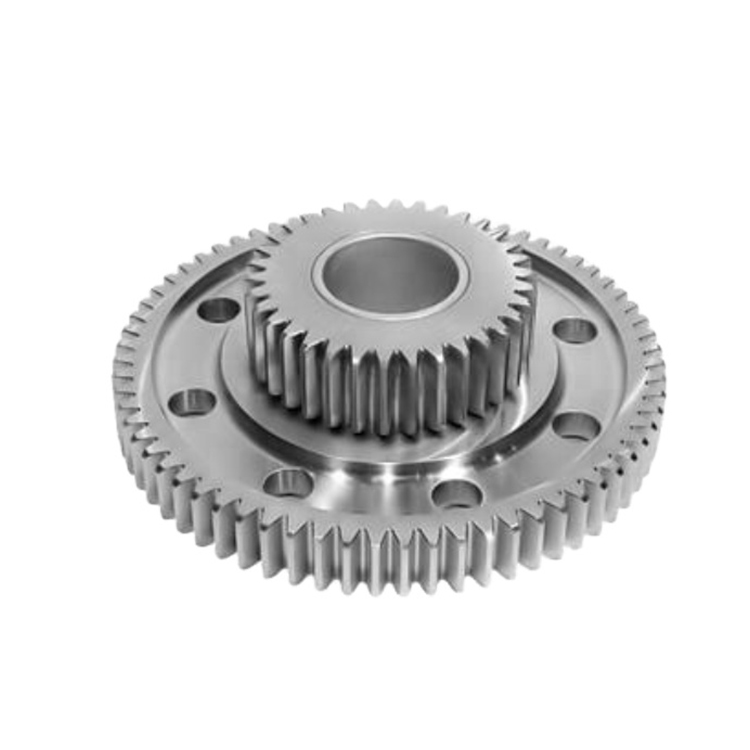
Stainless Steel
Features: Excellent corrosion resistance High strength and good toughness Resistant to high and low temperatures Non-magnetic, clean, hygienic Surface polishable to mirror finish (Ra ≤ 0.4 µm) Non-porous, easy to clean, resists bacterial growth, complies with FDA, food-grade, and medical-grade certifications. Common SS include SS303, SS304, SS304L, SS316 etc. More Metals
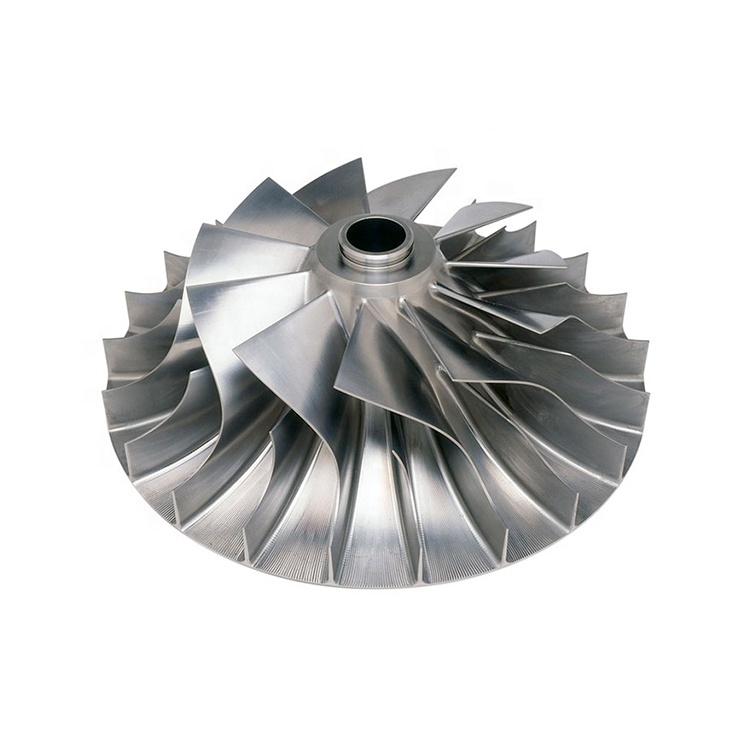
Titanium
Features: Titanium alloys offer an exceptional combination of high strength-to-weight ratio, outstanding corrosion resistance, excellent biocompatibility, and performance across extreme temperatures, making them the material of choice for aerospace, medical implants, and high-end applications. Common Titanium include Grade 2, Grade 3 etc. More Metals
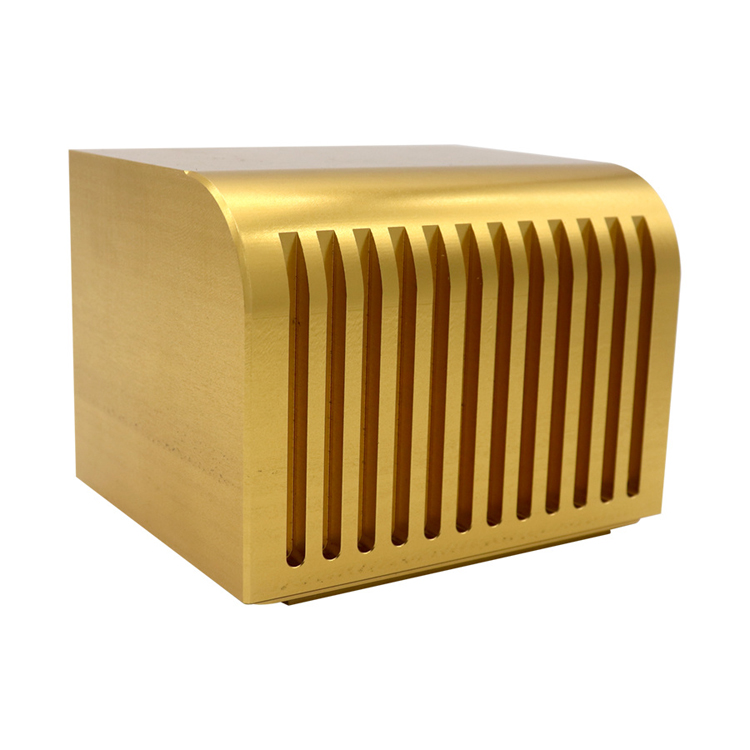
Brass
Features: Brass offer exceptional machinability and excellent surface finishes. It combines good corrosion resistance, electrical conductivity, and an attractive gold-like appearance, making it ideal for precision components, valves, fittings, electrical connectors, and decorative hardware. Common Brass include C36000, C37700 etc. More Metals
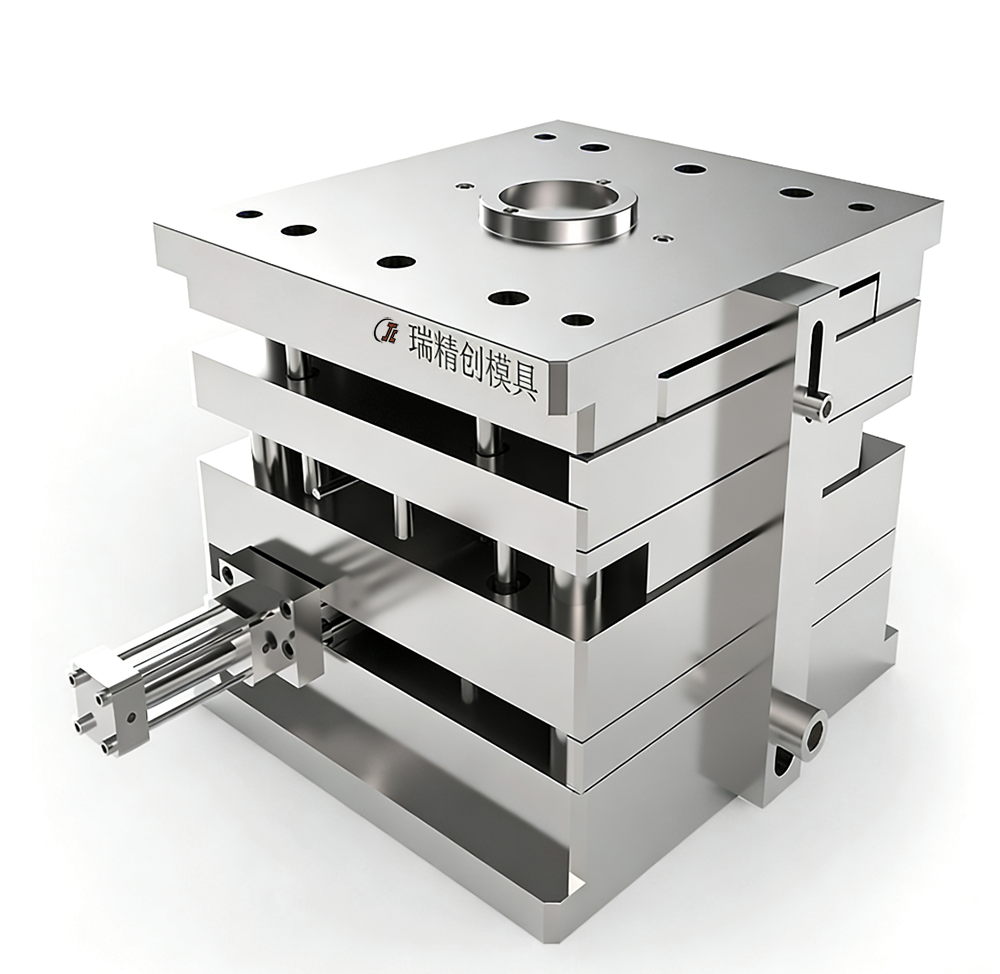
Cr12MoV / SKD11
High hardness (HRC 58-62), good wear resistance, but can be brittle. Requires stable grinding to avoid surface burning
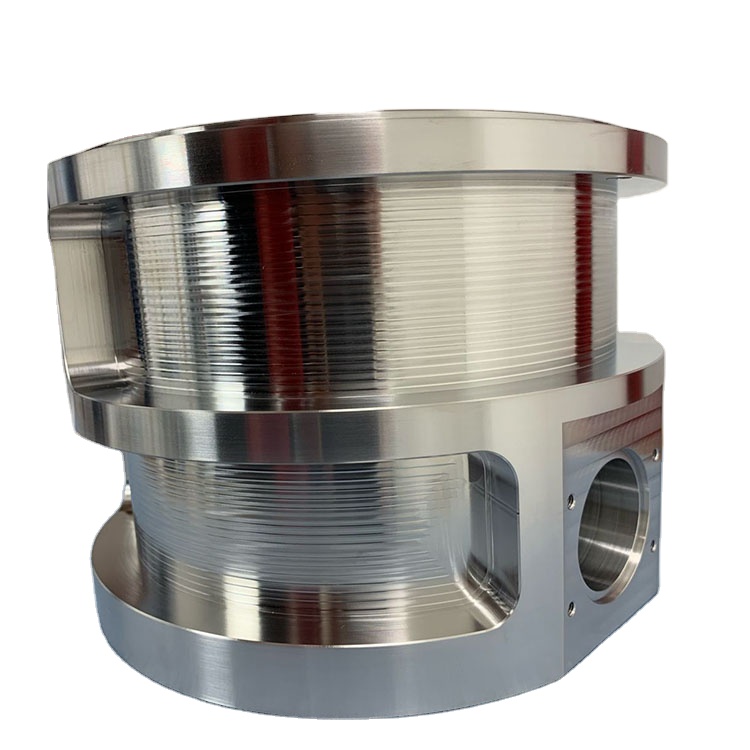
HSS
Maintains hardness even at high temperatures (red hardness). Used for cutting tools (drills, end mills, taps).
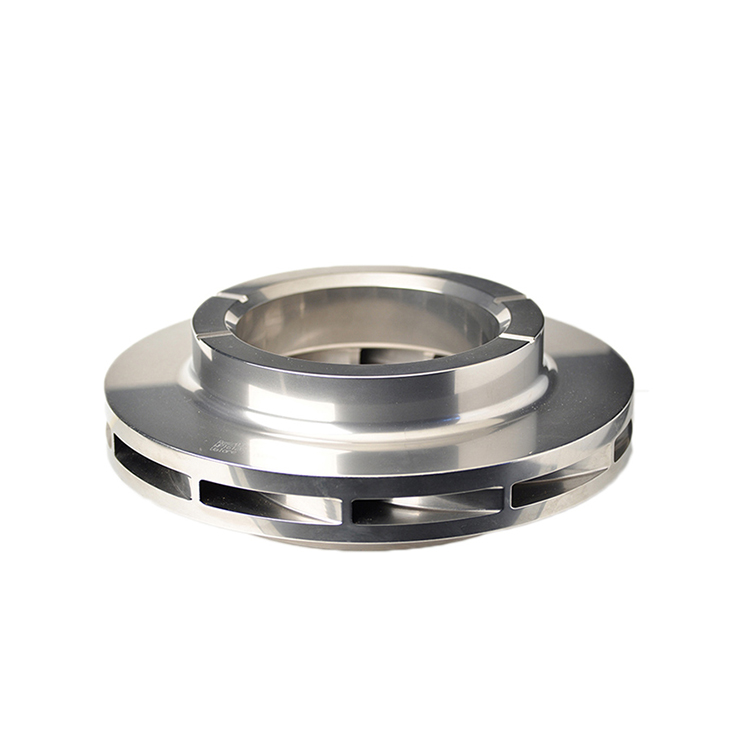
45 Steel / 40Cr
Good machinability. Grinds easily for achieving high surface finish (mirror-like).

Typical Tolerances by EDM Process
Note: Values shown are typical industry ranges under stable production conditions. Actual tolerances depend on part geometry, material, and machining strategy. If 2D drawings aren’t available, we’ll apply ISO 2768 mk.
Electrical Discharge Machining Tolerances | ||
| Feature | Standard Tolerance | Tightest Achievable |
| Linear Dimensions | ±0.01 mm (±0.0004″) | ±0.005 mm (±0.0002″) |
| Hole Diameter | ±0.015 mm (±0.0006″) | ±0.008 mm (±0.0003″) |
| Slot Width | ±0.02 mm (±0.0008″) | ±0.01 mm (±0.0004″) |
| Edge Radius / Corner | R0.2 mm typical | R0.1 mm possible |
| Surface Finish (Ra) | 1.2-3.2 µm | Down to 0.8 µm with polishing |
| Standards Applied | ISO 2768-m / ISO 2768-f | ISO 286, DIN ISO 1302 etc. |
Wire EDM Tolerances( slow-wire EDM High -precision) | ||
| Feature | Standard Tolerance | Tightest Achievable |
| Linear Dimensions | ±0.005 mm (±0.0002″) | ±0.002 mm (±0.00008″) |
| Hole Diameter | ±0.006 mm (±0.00024″) | ±0.0025 mm (±0.0001″) |
| Slot Width | ±0.008 mm (±0.0003″) | ±0.003 mm (±0.00012″) |
| Edge Radius / Corner | R0.05-0.1 mm typical | Down to R0.02 mm |
| Surface Finish (Ra) | 0.6-1.6 µm | As low as 0.2 µm (multi-pass) |
| Standards Applied | ISO 2768-f, GB/T 1804-2000 | ISO 1302 for surface finish |
Wire EDM Tolerances(Medium-Speed EDM) | ||
| Feature | Standard Tolerance | Tightest Achievable |
| Linear Dimensions | ±0.01 mm (±0.0004″) | ±0.005 mm (±0.0002″) |
| Hole Diameter | ±0.012 mm (±0.0005″) | ±0.006 mm (±0.00024″) |
| Slot Width | ±0.015 mm (±0.0006″) | ±0.007 mm (±0.00028″) |
| Edge Radius / Corner | R0.1-0.2 mm | |
| Surface Finish (Ra) | 1.2-2.5 µm | ~1.0 µm with secondary pass |
| Standards Applied | Cost-effective fine cutting | Tooling, jigs, semi-precision |
Wire EDM Tolerances(Fast-wire EDM) | ||
| Feature | Standard Tolerance | Tightest Achievable |
| Linear Dimensions | ±0.02 mm (±0.0008″) | ±0.01 mm (±0.0004″) |
| Hole Diameter | ±0.03 mm (±0.0012″) | ±0.015 mm (±0.0006″) |
| Slot Width | ±0.03 mm (±0.0012″) | ±0.015 mm (±0.0006″) |
| Edge Radius / Corner | R0.2-0.3 mm | / |
| Surface Finish (Ra) | 2.0-3.2 µm | / |
| Standards Applied | Fast prototyping, low-cost | General cutting, mold blanks |
Custom Parts For Different Industries
Provide CNC Machining One-Stop Services for Different Industries
Which Process Should I Choose?
Wire EDM vs Sinker EDM vs CNC Milling vs Precision Grinding
We select the most cost-effective and precise process based on part hardness, geometry, tolerance and batch size. Below is a clear capability comparison for quick project evaluation.
Process | Best Application | Core Advantages | Key Limitations | Typical Tolerance | Relative Cost |
Wire EDM | Hardened conductive parts, sharp internal corners, micro slots, thin fragile through structures, precision tooling profiles | Zero mechanical cutting force, no deformation or burrs, unaffected by material hardness, achieves ultra-fine corner and micro features, consistent high precision | Only works for conductive materials, slow material removal speed, only applicable for through-cut features and tapered profiles | ±0.002–±0.005 mm | High |
Sinker EDM | Deep blind cavities, hidden blind holes, irregular 3D concave structures, complex mold core & cavity features | Machines non-through hard-metal structures unachievable by cutting tools, no tool pressure damage, ideal for custom mold cavity forming | Requires custom copper/graphite electrodes, long processing cycle, high production cost, low material removal efficiency | ±0.005–±0.01 mm | Very High |
CNC Milling | General 3D structural parts, large stock removal, soft metals & plastics, standardized mass production components | Fast cutting efficiency, low unit production cost, supports full 3D complex modeling, wide material and batch adaptability | Cannot create sharp zero-radius inner corners, generates mechanical cutting stress, severe tool wear on hardened steel, prone to tool vibration on thin tall structures | ±0.02–±0.05 mm | Low |
Precision Grinding | Flat surfaces, cylindrical/round parts, high-flatness and high-smoothness surface finishing, precision dimension calibration | Superior surface finish up to Ra 0.4μm, excellent flatness and parallelism stability, high dimensional consistency for regular geometries | Only suitable for regular flat and cylindrical shapes, unable to process complex profiles, micro slots and special-shaped structures | ±0.01–±0.02 mm | Medium |
Process Selection Guide: Choose CNC milling for cost-effective mass production of standard parts; select precision grinding for high-precision surface finishing of regular parts; adopt Wire EDM for hardened, thin-walled, sharp-corner through parts; use Sinker EDM for complex 3D blind cavity mold components. We customize the optimal process solution based on your part geometry, material hardness, tolerance requirements and order volume.
Would you like to start a project with us?
How can we work close with our client?
A – Z Assistance:
1)Our professional team will provide 24/7 Engineering Support
by one-on-one assistance.
2)Our experienced engineers will freely review and optimize your part designs (DFM), provide actionable feedback, and deliver competitive quotations, which all based on your design drawings, application requirements, and desired outcomes.
4)Throughout production, you’ll receive progress updates every 2–3 days.
5) Upon completion, we’ll share high-quality photos of finished parts and packaging, along with full documentation: inspection reports, shipping details, and material certifications.
CNC Machining with Expert DFM & Engineering Support
What Our Engineering & DFM Support Includes?
Design Review
Analyze CAD models for manufacturability, tolerance feasibility, and material suitability
Material Selection
Recommend the optimal metal, plastic, or composite based on strength, cost, and application needs。
Design Optimization
Adjust sharp corners, deep cavities, thin walls, or hard-to-machine details for efficient production
Tolerance Analysis
Ensure critical dimensions are achievable while avoiding unnecessarily tight tolerances that drive up cost
Tool Access Check
Identify features that may require special tooling or 5-axis machining
Cost Reduction Suggestions
Propose design changes that reduce cycle time, tool wear, or secondary operations
How to work with RPD?
Upload Design Drawing
- Send 2D/3D drawing online or by email
- Design Drawing format: STEP, IGES, DWG, PDF, STL, etc
- If you have multiple files, zip them or send by email to ashley@rdpmfg.com
DFM Analysis & Quote
- Our engineer team will review & analyze every file carefully.
- Request more details or provide optimize solution.
- Offer accurate quote with 6 hours.
Order Confirmation
- Confirm order & delivery details, sign the contract.
- Arrange & start to production.
- Check and confirm all details during production, Track every steps.
Parts Delivered
- Control quality during production.
- Provide order photos,inspection sheet and other request documents.
- Pack & label orders, then shipping.
FAQs About Our EDM / Wire EDM Services
Why CNC EDM or wire EDM?
Choose EDM when you need to machine very hard materials, create sharp internal corners, deep narrow slots, or delicate thin-walled parts with zero cutting force and no burrs, but be prepared for slow material removal and higher cost.
What EDM services do you provide?
We offer full custom EDM solutions, including CNC Wire EDM (traveling wire cutting), Sinker EDM (spark erosion die sinking), and fine EDM finishing. Our services cover 2-axis straight cutting, 4-axis taper cutting, internal slotting, tiny hole piercing, sharp corner machining and complex 2D/3D profile processing. We support prototype verification, small-batch precision production and mold component mass processing for industrial-grade precision parts.
What is the difference between Wire EDM and Sinker EDM?
Wire EDM focuses on precision through-profile cutting, while Sinker EDM specializes in 3D blind cavity forming. We combine both processes to solve all ultra-precision hard-metal machining challenges.
Do you offer surface finishing and assembly services after EDM?
Yes, exactly. We offer anodizing, sand blasting, plating, polishing, painting, and other surface treatments. Assembly of milled parts into sub-units is also available to streamline your production process.
When should I choose Wire EDM instead of CNC milling or grinding?
Choose Wire EDM in the following scenarios: parts are fully hardened with ultra-high hardness; structures include micro slots, sharp corners and ultra-thin walls that milling tools cannot reach; parts are fragile and easily deformed by mechanical cutting force; ultra-high tolerance and mirror-level surface finish are required; thin and tall profiles that are prone to tool vibration during conventional machining.
Why choose Wire EDM for hardened steel parts ?
Conventional CNC milling and grinding suffer severe tool wear, low efficiency and poor precision stability when processing high-hardness steel above HRC55. Wire EDM relies on spark erosion with no physical contact and no cutting force, completely unaffected by material hardness. It stably processes hardened tool steel, high-speed steel and tungsten carbide with consistent precision and zero tool loss, which is irreplaceable for post-heat-treatment precision mold parts.
What's kind of material can you process of EDM service??
There are a wide range of metals: Hardened steel, carbide, HSS, titanium, Inconel.
Can you combine EDM with other machining services?
Absolutely. We integrate Wire EDM and Sinker EDM with CNC milling, turn-milling, CNC grinding, drilling, tapping and surface finishing. We provide one-stop precision processing solutions from blank forming, heat treatment, precision EDM finishing to post-processing, avoiding cumulative errors caused by multiple outsourcing processes.