The Top Chinese CNC Precise Machining Partner
Custom CNC Grinding Services
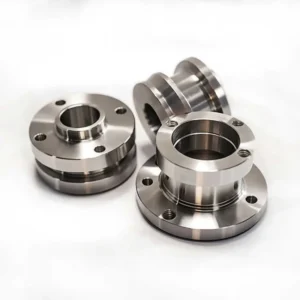
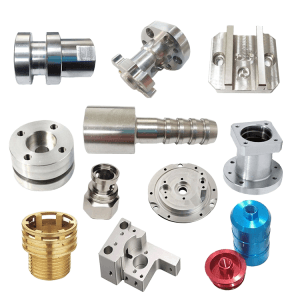
We specialize in high-precision Custom CNC Grinding Services for critical industrial components requiring tight tolerances and premium surface finishes. Our comprehensive grinding capabilities cover surface grinding, OD/ID cylindrical grinding and custom profile grinding for diverse mechanical parts. We work with a full range of metals and engineering plastics, accommodating custom prototypes, small batches, and large-scale mass production requirements.
We enforce strict in-house quality control, including full dimensional inspection, surface roughness testing and standardized machine calibration, delivering stable and consistent machining results without compromise.
What is CNC Grinding?
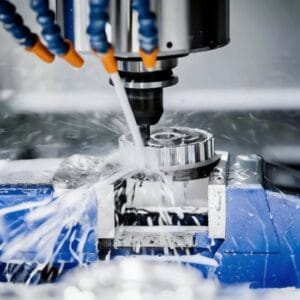
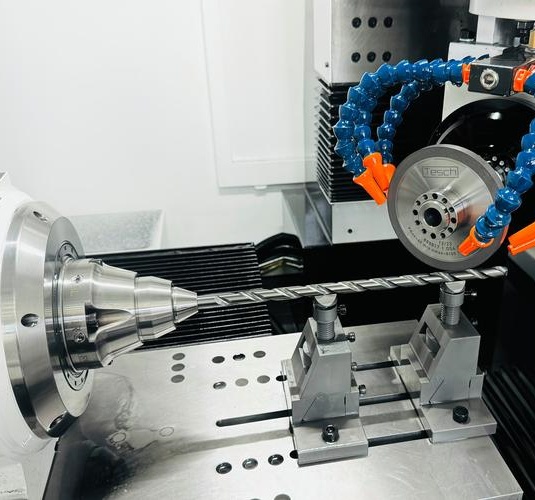
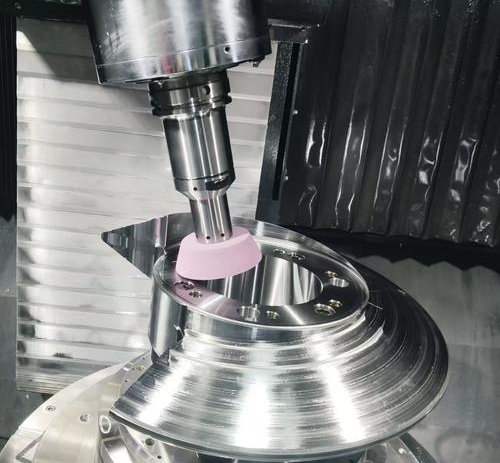
CNC Grinding is a precision machining process that uses a rotating abrasive wheel (grinding wheel) to remove material from a workpiece, creating very smooth surfaces and extremely tight tolerances.
In one word: CNC grinding is a precision finishing process that uses a high-speed abrasive wheel to achieve extremely tight tolerances, mirror-like surface finishes, and machine hardened materials that standard cutting tools cannot handle.
What’s advantages of CNC Grinding?
Extremely Tight Tolerances
Achieves precision levels others cannot match typically ±0.0001" (±0.0025mm) or tighter. Essential for bearing races, valve seats, and guide pins.
Superior Surface Finish & Hard Material Capability
Produces mirror-like finishes (Ra 0.1–0.4 µm) while machining hardened steels (HRC 50–70), carbides, and ceramics that would destroy standard cutting tools.
Excellent Roundness & Post-Heat-Treatment Finishing
Achieves exceptional roundness and concentricity (within 0.00005" / 0.001mm) on cylindrical parts. Ideal for finishing parts after heat treatment — impossible with turning or milling.
Consistent Repeatability & High-Volume Production
Holds extremely tight tolerances (typically ±0.0005 inches / ±0.0127mm) thanks to precise tool control, rigid workholding (chuck + tailstock), and minimal tool deflection. Perfect for press-fit shafts, bearing seats, and sealing surfaces.
Thin Wall & Complex Geometries
Grinds thin-walled parts and delicate features without distortion. Advanced CNC grinders produce contours, radii, tapers, and multi-diameter profiles in a single setup.
Reduced Secondary Operations & Unattended Operation
Eliminates subsequent lapping, honing, or polishing — saving time and cost. CNC grinders can run lights-out with robotic loaders, dramatically reducing labor costs.
CNC Grinding Capabilities from Prototyping to Mass Production
Surface Grinding
Machines flat surfaces, processes horizontal, vertical, and inclined planes or bottom surfaces of slots.
Workpiece shape: Typically square, plate-shaped, or rectangular parts with a flat reference surface.
Holding method: Secured using a magnetic chuck (electromagnetic or permanent magnet) for fast and rigid clamping.
Key accuracies: Ensures flatness, parallelism (between top and bottom faces), and excellent surface finish.
Cylindrical Grinding
Machines external cylindrical or conical surfaces , also processes shoulders and end faces of round parts.
Workpiece shape: Shafts, rods, sleeves, and other rotationally symmetrical parts with a central axis.
Holding method: Supported between centers (headstock + tailstock) or clamped in a chuck, ensuring rotation around the true axis.
Key accuracies: Delivers exceptional roundness, cylindricity, concentricity and smooth surface finish.
Why Choose RPD?
Professional CNC Machining, sheet fabrication, Injection Molding & rapid prototyping, Professional Services, Comprehensive A-Z Solutions.
Guaranteed Quality & Rigorous Inspection
Advanced Technology & Broad Capabilities
Technical Partnership & Engineering Support
Wide Material/Project Experience
Competitive Value & Cost Optimization
Speed & On-Time Delivery
CNC Grinding Materials
Whenever parts require high precision (0.001mm level) and mirror-like surface finish, are made of hard materials, or become too hard to machine with cutting tools after heat treatment — CNC grinding is needed.
Materials that can be processed by CNC grinding include:
Tool & Die Steels:
Cr12MoV, H13, SKD11, DC53, High-Speed Steel (HSS)
Ultra-Hard Materials:
Tungsten steel, Tungsten carbide, Aluminum oxide ceramic, Zirconium oxide ceramic
General Metals & Non-Ferrous:
45 steel, 40Cr, Q235 (surface grinding), Stainless steel (304/316L), Aluminum alloy, Copper alloy
Special & Difficult-to-Machine Alloys:
Titanium alloy (TC4), Superalloy (Inconel 718), Medical cobalt-chromium-molybdenum alloy and more.
Contact us to explore more materials today!

Aluminum
Features: Excellent machinability , short processing time, high yield rate Superior surface treatment capabilities Moderate material cost Light weight with high strength-to-weight ratio Widely used in aerospace, automotive, drones, medical, industrial automation. Common alloys include 2024-T351, 5052, 5083-H111, 6061-T6, 6063, 7075-T6 etc. More Metals
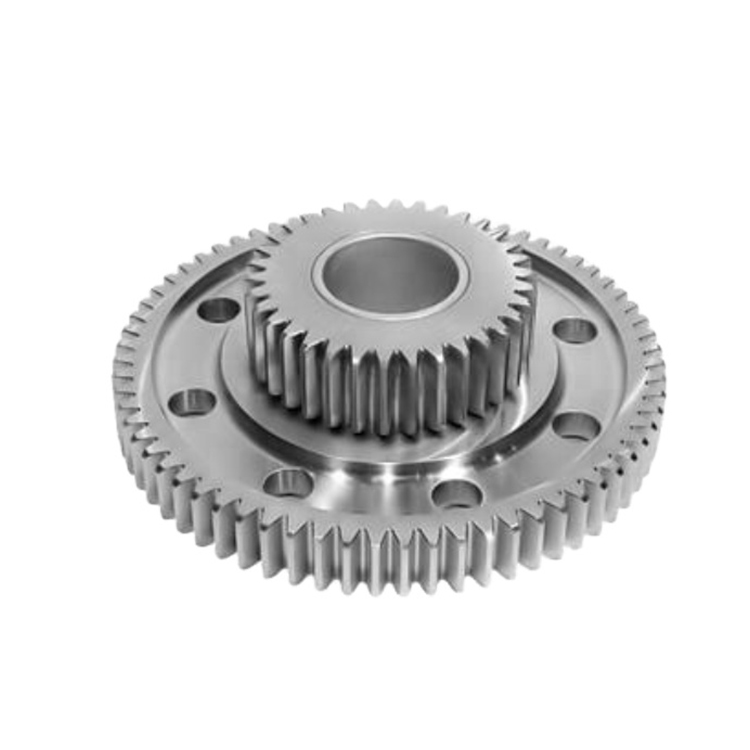
Stainless Steel
Features: Excellent corrosion resistance High strength and good toughness Resistant to high and low temperatures Non-magnetic, clean, hygienic Surface polishable to mirror finish (Ra ≤ 0.4 µm) Non-porous, easy to clean, resists bacterial growth, complies with FDA, food-grade, and medical-grade certifications. Common SS include SS303, SS304, SS304L, SS316 etc. More Metals
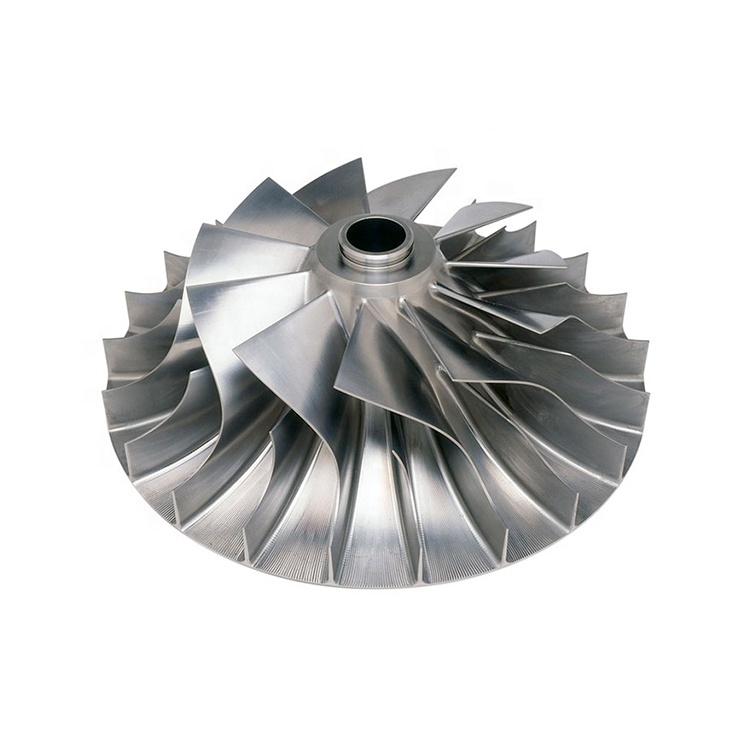
Titanium
Features: Titanium alloys offer an exceptional combination of high strength-to-weight ratio, outstanding corrosion resistance, excellent biocompatibility, and performance across extreme temperatures, making them the material of choice for aerospace, medical implants, and high-end applications. Common Titanium include Grade 2, Grade 3 etc. More Metals
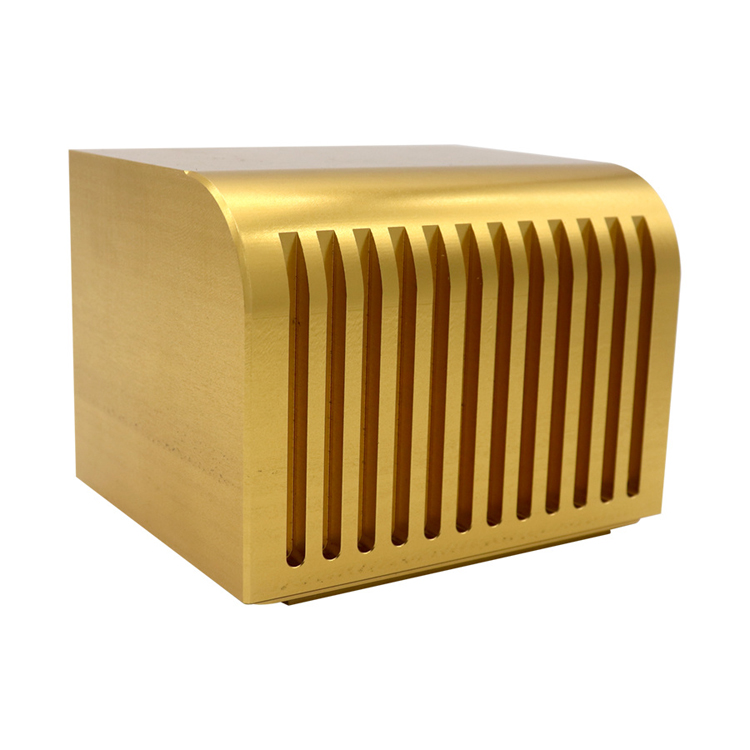
Brass
Features: Brass offer exceptional machinability and excellent surface finishes. It combines good corrosion resistance, electrical conductivity, and an attractive gold-like appearance, making it ideal for precision components, valves, fittings, electrical connectors, and decorative hardware. Common Brass include C36000, C37700 etc. More Metals
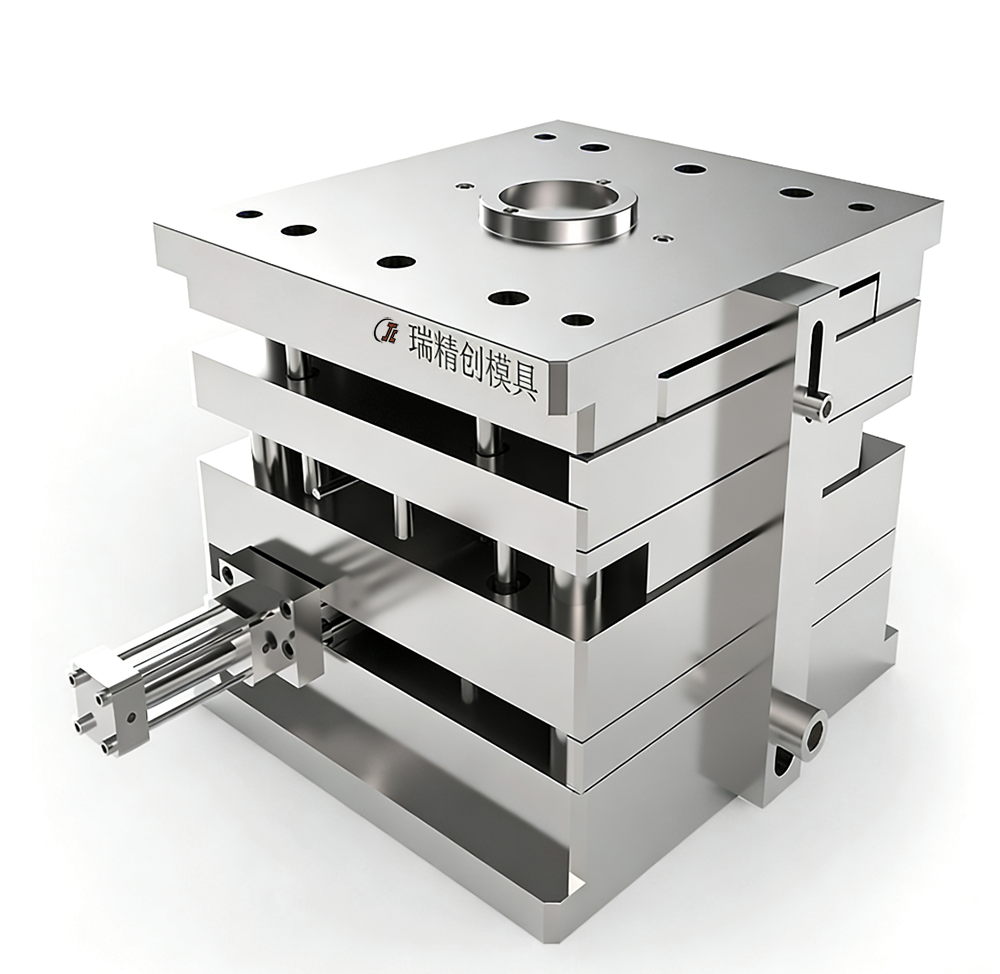
Cr12MoV / SKD11
High hardness (HRC 58-62), good wear resistance, but can be brittle. Requires stable grinding to avoid surface burning
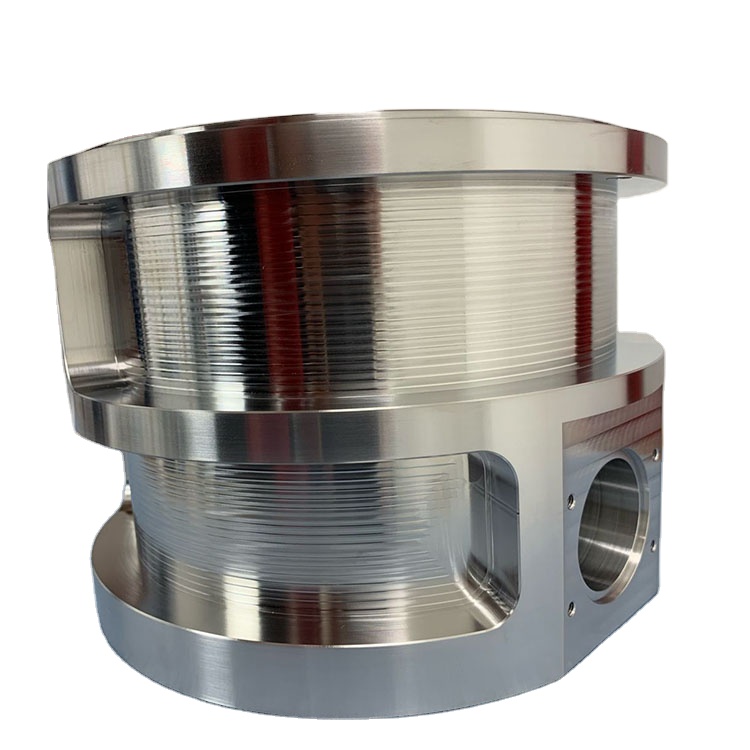
HSS
Maintains hardness even at high temperatures (red hardness). Used for cutting tools (drills, end mills, taps).
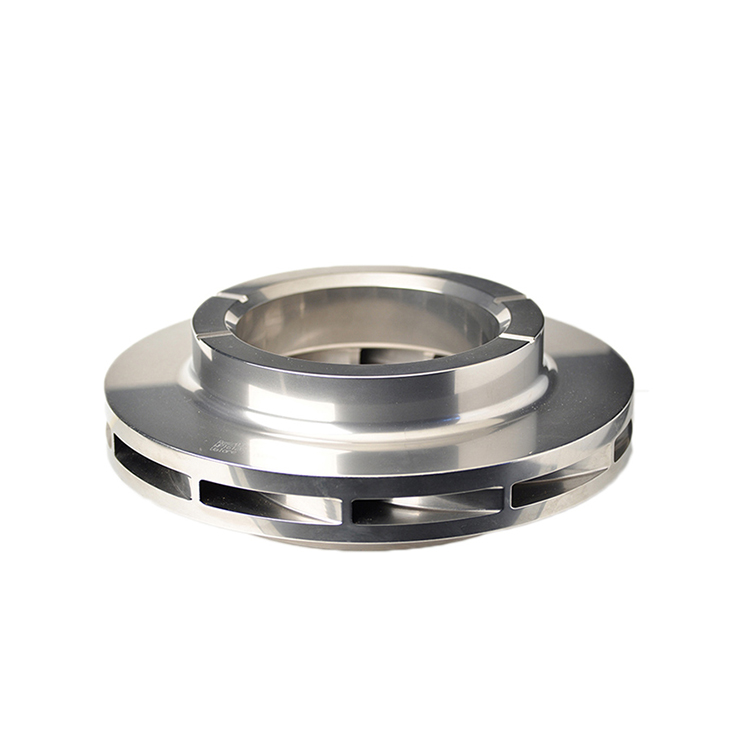
45 Steel / 40Cr
Good machinability. Grinds easily for achieving high surface finish (mirror-like).

Typical Tolerances by CNC Grinding Process
Note: Values shown are typical industry ranges under stable production conditions. Actual tolerances depend on part geometry, material, and machining strategy. If 2D drawings aren’t available, we’ll apply ISO 2768 mk.
| Feature | Standard Tolerance | Tightest Achievable |
| Outer Diameter (OD) | ±0.005 mm | ±0.001 mm |
| Inner Diameter (ID) | ±0.005 mm | ±0.001 mm |
| Flatness | 0.01 mm | 0.002 mm |
| Parallelism | 0.01 mm | 0.003 mm |
| Cylindricity | 0.005 mm | 0.002 mm |
| Roundness | 0.003 mm | 0.001 mm |
| Surface Finish (Ra) | ≤ 0.8 μm | ≤ 0.2 μm |
| Length (up to 100 mm) | ±0.01 mm | ±0.005 mm |
| Angle Tolerance | ±0.1° | ±0.01° |
Custom Parts For Different Industries
Provide CNC Machining One-Stop Services for Different Industries
Would you like to start a project with us?
End-to-End 6D Solutions, From Concept to Mass Production. Integrated 5 Steps Quality Control Across Every Stage.
Phase 1:TR / PRD (Technical Review / Product Requirements Definition)
DFM, material selection & tolerance optimization for manufacturability. .
Concept Validation: Support rapid prototyping for functional verification; identify structural and process risks early.
Cost Engineering: Deliver cost-oriented feedback to minimize redesign cycles prior to EVT.
Phase 2: EVT (Engineering Verification Test)
Precision Engineering: One-stop solutions combining high-speed CNC machining and precision injection molding to deliver tight-tolerance parts for validation testing.
Engineering Support: Offer all-round engineering support including tolerance stacking analysis, surface treatment recommendations, and design optimization.
Phase 3: DVT (Design Verification Test)
Agile Revisions: Quick response to design modifications, ensuring rapid turnaround for the next round of prototype verification.
Visual Samples: Provide visible samples (appearance masters) for design approval.
Incoming Control: IQC (Incoming Quality Control) services to secure material quality.
Phase 4: MVT (Medium-Volume Verification Test)
Process & Fixture Validation: Verify the stability of the production process and the reliability of fixtures/tooling.
Full-Line QC: Implement IQC (Incoming Quality Control) , IPQC (In-Process Quality Control) , and OQC (Outgoing Quality Control) to monitor pilot run quality.
Phase 5: PVT (Process Verification Test)
BOM & Version Control: Identify trial production issues.
Process Standardization: Establish Golden Line production standards to ensure process repeatability and stability.
Comprehensive QC: Full suite of IQC (Incoming Quality Control) , IPQC (In-Process Quality Control) , and FQC (Final Quality Control) services.
Phase 6: MP (Mass Production)
ISO-Certified QC: Full documentation for guaranteed quality.
Lean Manufacturing: Optimize cost & quality.
Efficiency Boost: Modular fixtures for quick changeover.
Full-Lifecycle QC: Routine IQC/FQC/OQC + Post-sale CAPA for continuous improvement.
How can we work close with our client?
A – Z Assistance:
1)Our professional team will provide 24/7 Engineering Support
by one-on-one assistance.
2)Our experienced engineers will freely review and optimize your part designs (DFM), provide actionable feedback, and deliver competitive quotations, which all based on your design drawings, application requirements, and desired outcomes.
4)Throughout production, you’ll receive progress updates every 2–3 days.
5) Upon completion, we’ll share high-quality photos of finished parts and packaging, along with full documentation: inspection reports, shipping details, and material certifications.
CNC Machining with Expert DFM & Engineering Support
What Our Engineering & DFM Support Includes?
Design Review
Analyze CAD models for manufacturability, tolerance feasibility, and material suitability
Material Selection
Recommend the optimal metal, plastic, or composite based on strength, cost, and application needs。
Design Optimization
Adjust sharp corners, deep cavities, thin walls, or hard-to-machine details for efficient production
Tolerance Analysis
Ensure critical dimensions are achievable while avoiding unnecessarily tight tolerances that drive up cost
Tool Access Check
Identify features that may require special tooling or 5-axis machining
Cost Reduction Suggestions
Propose design changes that reduce cycle time, tool wear, or secondary operations
How to work with RPD?
Upload Design Drawing
- Send 2D/3D drawing online or by email
- Design Drawing format: STEP, IGES, DWG, PDF, STL, etc
- If you have multiple files, zip them or send by email to ashley@rdpmfg.com
DFM Analysis & Quote
- Our engineer team will review & analyze every file carefully.
- Request more details or provide optimize solution.
- Offer accurate quote with 6 hours.
Order Confirmation
- Confirm order & delivery details, sign the contract.
- Arrange & start to production.
- Check and confirm all details during production, Track every steps.
Parts Delivered
- Control quality during production.
- Provide order photos,inspection sheet and other request documents.
- Pack & label orders, then shipping.
FAQs About Our CNC Grinding Services
Why CNC Grinding?
CNC grinding delivers unmatched precision (±0.0001″), mirror finishes, and the ability to machine hardened materials, all with high repeatability and automated operation.
What kind of equipment do you use?
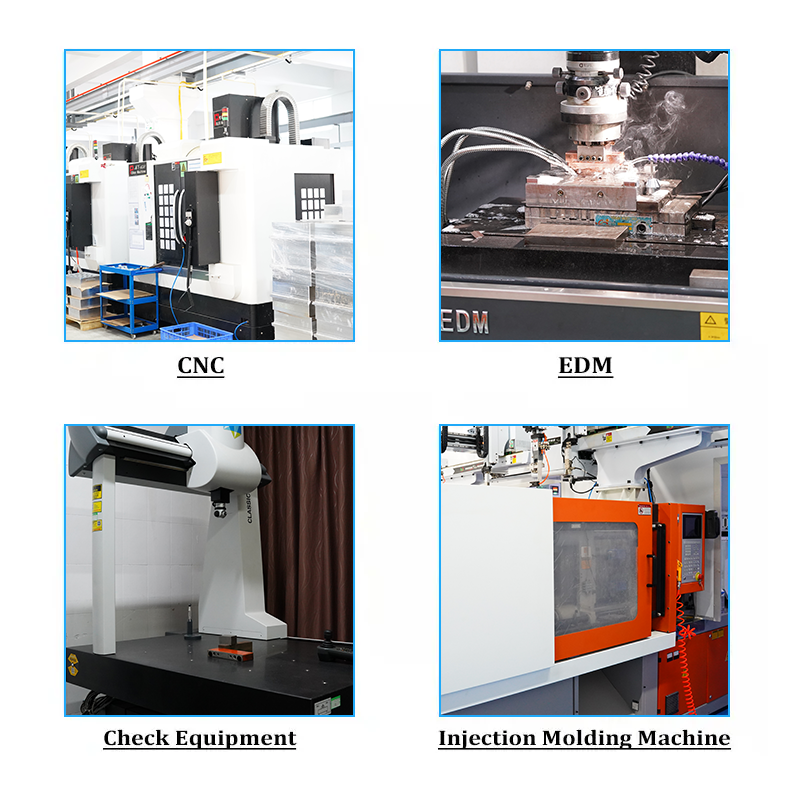
Our factory equipment with CNC Surface Grinding Machine,CNC Cylindrical Grinding Machine,CNC Internal Grinding Machine
What materials can you process for CNC grinding?
We grind a wide range of materials, including stainless steel, carbon steel, alloy steel, aluminum, titanium, brass, copper, and high-performance engineering plastics, adapting to different hardness and finishing requirements.
When should I choose grinding instead of turning or milling?
Select CNC grinding when parts require ultra-tight tolerances, ultra-smooth surface finish, or after heat treatment. It corrects deformation caused by hardening and delivers consistent precision on hardened workpieces.
What kind of quality assurance or warranty do you offer on orders?
One of the reasons engineers purchase from RPD is that we take on all the risks for you. We guarantee you’ll love what you get. Not happy with it? We’ll either redo it or give you a full refund. Your purchase is completely risk-free.
Do you provide quality inspection reports for grinding parts?
Yes. We perform first article inspection, full dimensional testing, surface roughness verification, and batch consistency checks. Complete inspection records and test reports are provided for every order to guarantee stable quality.
Can you support custom drawings and low-volume prototype orders?
Absolutely. We strictly follow customer 2D/3D drawings and custom tolerance standards. We support customized prototypes, small-batch trial orders, and large-scale mass production with flexible manufacturing solutions.
What are your advantages compared with regular machining?
CNC grinding achieves far tighter tolerances and smoother surface finishes than standard milling and turning. It effectively eliminates tool marks and deformation, ensuring high geometric accuracy for critical functional parts.We have strict quality control and premium custom services. We not only provide cnc grinding service only, but also provide one stop custom parts solutions.
What industries are your grinding parts suitable for?
Our precision grinding components are widely used in automotive parts, automation equipment, hydraulic and pneumatic systems, aerospace accessories, tooling fixtures, and general industrial machinery.
Can you combine CNC grinding with other machining processes?
Absolutely. We can combine grinding with turn-milling, CNC milling, drilling, tapping and surface finishing as a complete one-stop machining solution.
What tolerance and surface finish can CNC grinding achieve?
Typical dimensional tolerance down to ±0.001 mm. Surface roughness can reach Ra 0.02~0.8 μm. For different parts, We will adjust grinding achieve as your request. Grinding is ideal for high-precision features after heat treatment where milling or turning cannot meet the surface and tolerance requirements.