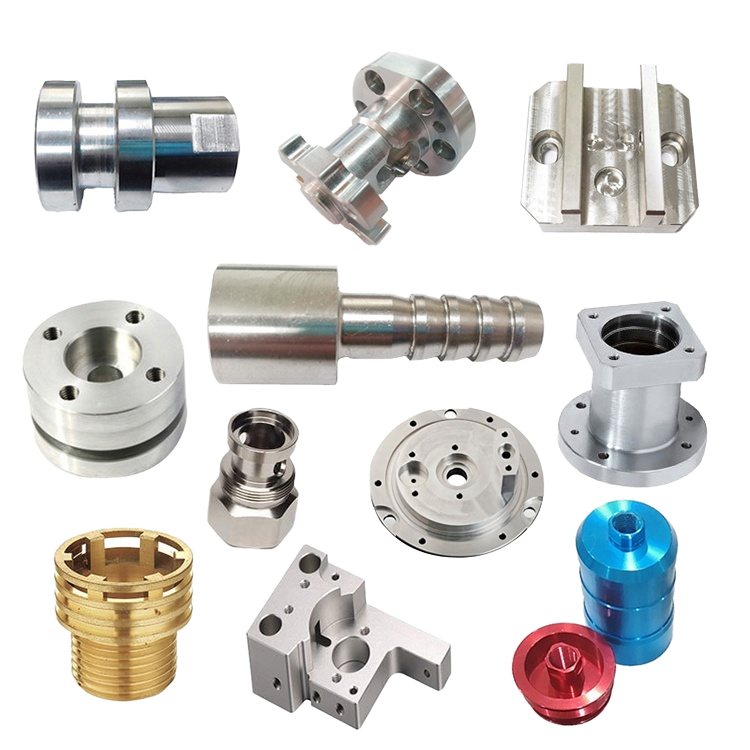
For CNC precision machining, non standard automation parts, tooling fixtures, aerospace, automotive aluminum components and other industry aluminum customized parts, material selection is always the first critical procedure.
Among all machinable aluminum alloys, 2024, 6061 and 7075 are the three most widely used grades in the industry with the highest demand for research and selection. They are also top choices for most structural parts and high strength functional components. In this blog, we thoroughly analyzes the core differences, machining challenges, applicable scenarios and cost gaps among 2024, 6061 and 7075. It also covers frequently used workshop materials including 5052, 6082, 6063, 2011, 7050 and MIC-6 to help you understand aluminum alloy materials selection for all scenarios and avoid hidden pitfalls in materials selection, machining and after sales work.
Blog Outline
I. Try to Avoid Only Judging Aluminum Alloy Materials by Parameters
A common mistake for beginners is blindly pursuing high strength and hardness and arbitrarily adopting premium grades such as 7075. This may lead to surging machining costs, poor anodizing performance, welding failure, part deformation and excessive inventory costs.
For CNC-machined aluminum alloy selection, four practical principles below take priority over pure strength parameters:
- Machinability: cutting ease, chip evacuation performance, built up edge tendency, burr generation and upper limit of finishing accuracy.
- Service environment: indoor structural parts, outdoor weather resistant components, humid/marine environments, high strength load bearing parts and decorative appearance parts call for drastically different materials.
- Surface finishing requirements: whether anodizing, sandblasting or polishing is required. Certain grades are inherently incapable of delivering premium surface finishes.
- Overall cost: apart from raw material price, tool wear, machining cycle time and rejection & rework costs must also be considered.
II. 2024 vs 6061 vs 7075 Custom CNC aluminum machining Depth Practical Comparison
These three grades cover over 80 % of aluminum-part machining requirements, each with well defined positioning.
1. 6061-T6: The All round Cost effective Workhorse for CNC Machining
Belonging to Al-Mg-Si alloys, 6061 is the most prevalent CNC aluminum alloy for non standard automation, general purpose precision structural parts, tooling fixtures and equipment housings. It is the only general purpose grade aluminum delivering balanced performance across strength, machinability, corrosion resistance, surface finishing and cost.
Practical CNC machining strengths: It cuts smoothly with favorable chip evacuation and minimal built up edge. Drilling, slotting, pocketing and finishing are highly stable. Parts exhibit low residual stress with little post machining deformation and tight tolerance capability, making it ideal for high volume precision production. Tool consumption is low and cycle time is short, bringing down overall machining costs significantly.
Key properties: Medium strength, excellent corrosion resistance, weldable, uniform and fine anodized finish, stable performance after heat treatment with almost no hidden machining risks.
Typical applications: Automation equipment frames, support plates, connecting bases, housing panels, general purpose precision structural parts, standard tooling fixtures and ordinary outdoor aluminum parts.
Reminder: Do not use 6061 for high strength heavy duty or cyclically loaded core functional components; deformation and fatigue failure may occur.
2. 2024-T3: High strength Machinable Aluminum for Structural Applications
As an Al-Cu hard aluminum alloy, 2024 features superior strength and good machinability. Its strength far exceeds that of 6061 and approaches certain high-strength steels. It is widely used in aerospace, military and precision transmission structural components.
Practical CNC-machining strengths: Hard yet resistant to built-up edge, it produces crisp chips. It performs well in high-speed milling, deep-cavity machining and thin wall structures with minimal scratching or built up edge defects, suitable for precision milling of complex geometries.
Major drawbacks: Poor corrosion resistance; unsuitable for outdoor service without protective coatings. Anodizing yields uneven, blotchy films and is not recommended for appearance critical parts. Weldability is poor and welding is generally avoided.
Typical applications: Aerospace structural parts, precision transmission components, high strength internal structural parts and heavy duty mechanical parts with no cosmetic requirements.
Reminder: Some customers anodize 2024 parts, but only for functional rather than decorative purposes. Avoid choose 2024, if good anodized appearance, outdoor exposure or subsequent welding is required.
3. 7075-T6 / T651: Aerospace grade Super hard Aluminum machining parts, High Strength, High Cost
7075 is an Al-Zn-Mg-Cu ultra-high strength aluminum alloy, also called aerospace or military grade aluminum. It represents the strength ceiling for commercially available CNC machinable aluminum, far harder than 6061 and 2024. It is intended for core components requiring both extreme light weighting and high strength.
Practical CNC machining features: High cutting resistance imposes heavy demands on cutting tools; tool wear rate is 2-3 times that for 6061. Significant vibration and heat generation occur during cutting, prolonging finishing time, raising labor costs and increasing rejection rates compared with ordinary aluminum alloys.
Key properties: Top tier tensile and yield strength with outstanding fatigue and deformation resistance for heavy static and cyclic impact loads. Drawback: poor corrosion resistance; not suited for humid, salt spray or marine environments.
Typical applications: Aerospace & aviation components, military parts, racing car chassis, high strength mold backing plates, automotive and robot premium heavy duty precision functional parts.
Reminder: Many users blindly replace 6061 with 7075. Although strength improves, material and machining costs rise sharply with limited practical benefit. 7075 is not suitable for decorative anodizing and is limited to functional hard coat anodizing. Prefer the T651 temper for lower residual stress and reduced machining distortion.
III. Common use Specialty Aluminum Alloy Grades in CNC Workshops
1. 5052-H32: Anti corrosion Aluminum for Bending
A 5-series non heat treatable alloy with good ductility and very low residual stress. Parts barely deform after machining, and its corrosion resistance surpasses Series-2 and Series-7 alloys. It offers high cost effectiveness. It machines easily with few burrs and fits thin sheet lightweight component production.
Typical applications: Sheet metal bent parts, outdoor corrosion resistant thin plates, water tanks, sealing covers and general lightweight accessories.
Not suitable for: High strength load bearing structures parts and heavily loaded precision threaded joints.
2. 6082-T6: European spec High strength Structural Aluminum
A premium 6-series grade with performance sitting between 6061 and 7075. Its strength is approximately 30 % higher than 6061, while retaining good machinability, corrosion resistance and weldability. It fills the gap between insufficient strength of 6061 and excessive cost of 7075 and is widely adopted for European style equipment parts.
Typical applications: Replacement parts for imported equipment, medium
to high strength structural components and precision aluminum parts requiring both welding and high strength.
3. 6063-T6: Aluminum for Premium Anodized Appearance
It delivers outstanding surface finishes. After anodizing, it presents uniform color and high gloss free of defects, offering the best cosmetic quality among machinable aluminum alloys. Its strength is relatively low and it shall not be used for heavy duty structures.
Typical applications: Decorative panels, appearance housings and finish machined extruded profiles requiring high quality sandblasting and anodizing.
4. 2011-T3: Free-machining Aluminum for High speed Cutting
Recognized industry-wide as a free cutting aluminum alloy with lead addition. It achieves rapid chip removal with nearly zero burrs and low cutting resistance, supporting high volume high speed turning with far higher productivity than other aluminum alloys.
Typical applications: Mass produced shafts, sleeves and small standard precision turned parts.
5. 7050-T7451: Upgraded 7075 for Thick Plates
It features lower residual stress, better machining stability and improved exfoliation corrosion resistance. Ideal for precision milling of large thick plates.
Typical applications: Thick plate molds, large aerospace thick wall structural components and large size high precision aluminum parts.
6. MIC-6: Precision Cast Aluminum Plate
This cast-aluminum plate exhibits exceptional flatness with near zero residual stress. Hardly any distortion occurs after machining and post machining flattening is unnecessary. It is designed for flat plate components demanding ultra high flatness.
Typical applications: Precision fixture plates, inspection platforms and ultra thin highprecision panels.
IV. Key Aluminum Alloy Grades Quick Selection Table
Alloy Grade | Core Advantages | Machining Difficulty | Anodizing Performance | Corrosion Resistance | Overall Cost |
6061-T6 | Balanced performance, low deformation, cost effective | Low | Excellent | Excellent | Low -Medium |
2024-T3 | High strength, good machinability | Medium | Poor (not recommended for anodizing) | Weak | Medium-high |
7075-T6 | Ultra high strength, anti deformation | High (heavy tool wear & long cycle time) | Fair (hard coat anodizing only) | Weak | High |
5052-H32 | Good ductility, corrosion resistant, low deformation | Low | Good | Excellent | Low |
6082-T6 | High strength, weldable, well balanced | Medium | Excellent | Excellent | Medium-high |
6063-T6 | Top tier cosmetic surface quality | Low | Superior | Excellent | Medium |
V. Quick Selection for CNC Aluminum alloy
- General purpose structures, cosmetic surfaces, cost control → Prefer 6061-T6
- High strength, non cosmetic, indoor heavy duty structures → Choose 2024-T3
- Ultimate strength to weight ratio, premium functional components → Choose 7075-T6 / T651
- Bending, outdoor corrosion resistance, thin sheet lightweight parts → Choose 5052-H32
- Welding requirement plus high strength without cost of 7075 → Choose 6082-T6
- Pure decorative parts requiring premium-grade anodizing → Choose 6063-T6
- High volume turning for maximum production efficiency → Choose 2011-T3
- Large size thick plates requiring high precision and minimal distortion → Choose 7050-T7451 / MIC-6
- You also can find more material selection from our blog pages
Our Aluminum Machining Capacity
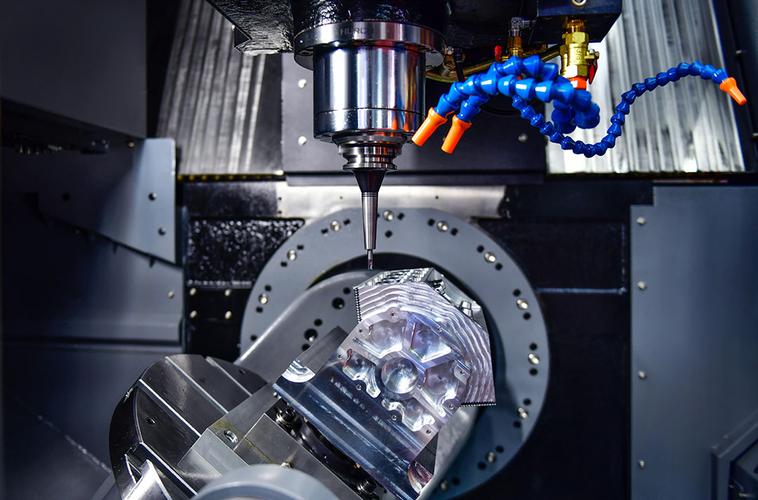
We provide full aluminum machining services, including 3-4-5 axis CNC aluminum machining, CNC milling aluminum parts, CNC turning aluminum parts, CNC turn mill aluminum machining.
We have many grade of aluminum in stock , like 6061-T6, 6082-T6,6063-T6, 2024-T351, 2011-T3,5052, 7075-T6, etc. Other aluminum alloy materials can be delivered in our factory in 1-2 days once request. For prototype CNC aluminum machining parts, we can delivered out in 2-3 working days, for volume custom aluminum part, lead time is around 7-25 working days. Contact us now, if you wanna customized CNC aluminum machining parts.
VI. FAQs
1. What’s most commonly used, cost effective aluminum alloys for CNC machining?
6061-T6
2. 7075 outperforms 6061 in strength, should I purchase all aluminum machining parts in 7075 ?
No. While AL 7075 delivers superior strength, both raw material and machining costs are substantially higher. It also has poor corrosion resistance and is unsuitable for outdoor exposure. For most ordinary structural parts, 6061 provides sufficient strength. Arbitrarily upgrading to 7075 only increases costs with no practical benefit.
3. Can 2024 aluminum alloy be anodized?
It is not recommended. High copper content in 2024 tends to cause color difference, blotchiness and uneven film thickness during conventional anodizing, making it unsuitable for cosmetic applications. Use functional anodizing is ok.
4. How to choose between 6061 and 6082 ?
Select 6061 for ordinary structures for better cost effectiveness. If welding, higher mechanical loads or compliance with European spec equipment standards are needed, prioritize 6082 for enhanced strength and stability.
5. Which aluminum alloy achieves the fastest CNC machining and lowest tool consumption?
AL 2011, 6061 and 5052 offer the highest machining speed and minimal tool wear. 7075 and 2024 require longer machining cycles and accelerate tool wear, raising process costs.
6. What’s kind of surface finishing do you often use for precision CNC aluminum machining in your history order?
Most CNC aluminum machining parts choose anodizing,including black anodized, hard anodize, sand blasting, brushed, powder coated.
7. Do you provide DFM analyse for CNC aluminum machining parts?
Yes, we did, that’s necessary steps
8. Do you provide prototype CNC aluminum machining service or high volume CNC aluminum machining?
We do both, they are our one of main house services, including 5 axis CNC aluminum machining, CNC milling aluminum parts, CNC turning aluminum parts, CNC turn mill aluminum machining
VII. Summary
For CNC aluminum alloy material selection, the goal is choose the material best suited for your application.
2024, 6061 and 7075 are the three mainstream grades covering most cnc machining scenarios: 6061 is the versatile cost effective option; 2024 targets high strength internal structures; 7075 is reserved for premium heavy duty precision components.
5052, 6082 and 6063 address applications ranging from ordinary non standard parts and decorative components to aerospace grade precision parts. Select materials considering machinability, surface finishing requirements, operating environment and total cost ownership to realize quality improvement, cost reduction and efficiency gains.