The Top Chinese Injection tooling & Molding Partner

Custom Injection tooling & Molding Services

Get innovative injection molded parts with RPD. We provide custom molds designed to your exact specifications from prototype to production at competitive prices with fast lead times. Our experts handle the complexity,help you get to market faster. Ready to elevate your production? Let’s go !

  • RPD Provide 24/7 Engineering Support All Year Round.
  • All tools and dies are engineered and produced in house
  • More Than 60+  Certified Materials for Choose. Offer CoCs, Material Certifications, Inspection Reports.
  • ISO 9001:2015 quality standards.
  • Expert DFM & process optimization

What is Injection tooling & Molding?

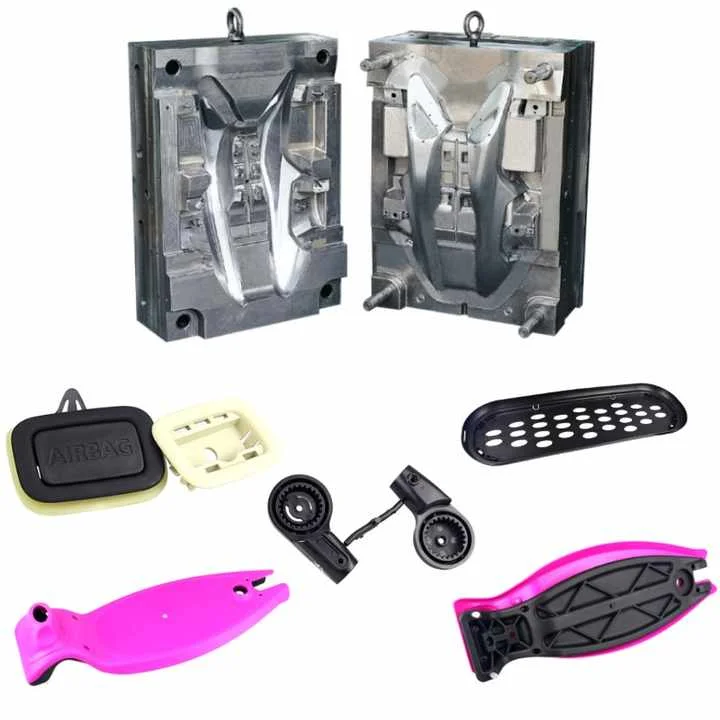
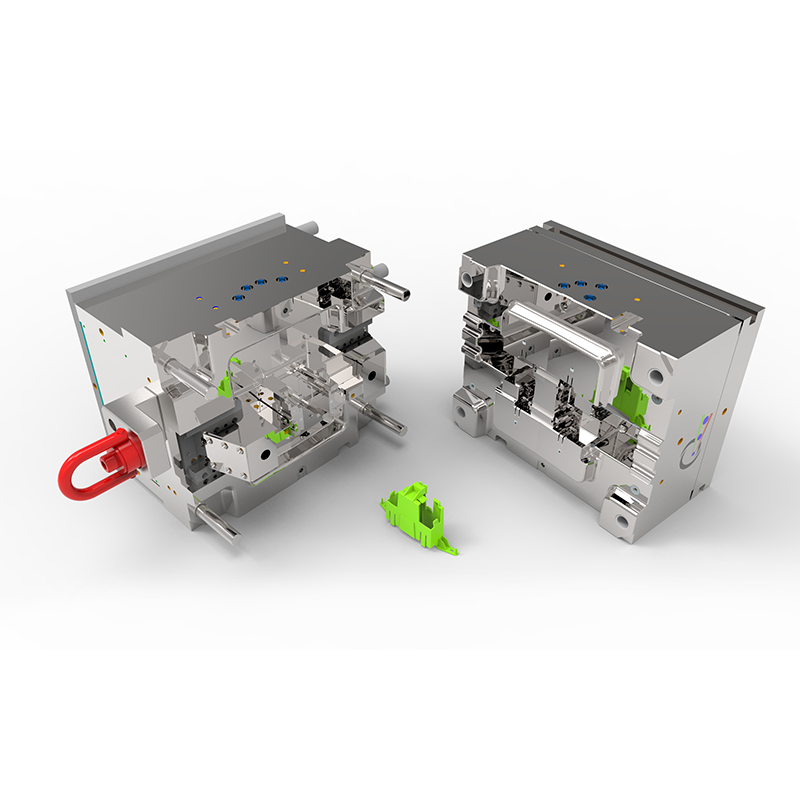
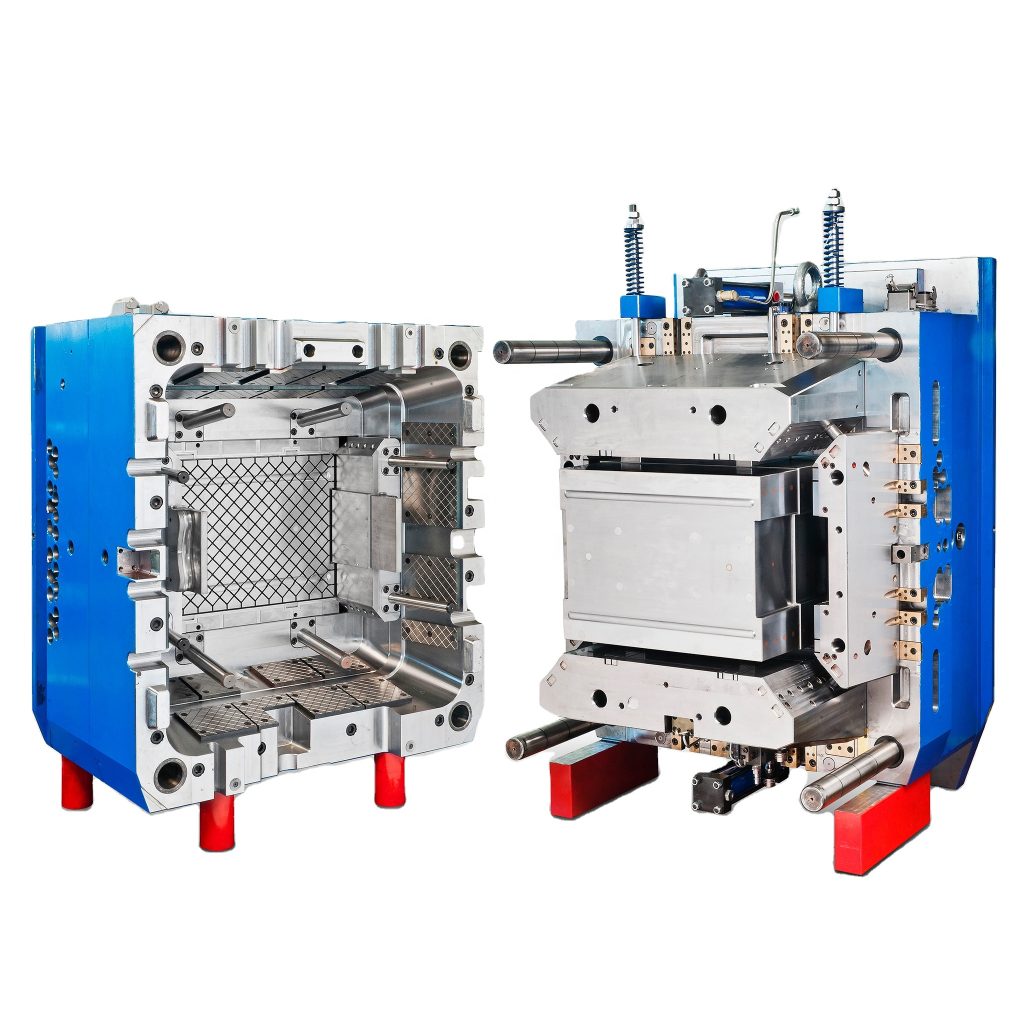
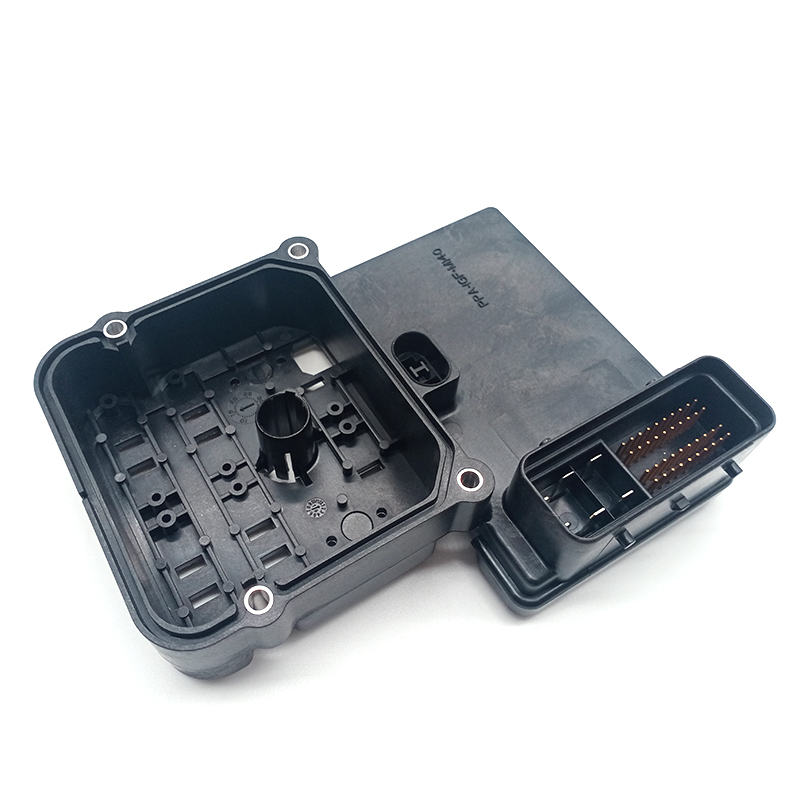
Injection molding is a manufacturing process for producing plastic parts in volume by injecting molten material into a custom-made mold (the “tooling”). The mold is precision-machined to the exact shape of the desired part. Once the plastic cools and solidifies, the mold opens and ejects the finished part.

The mold is a tool created in advance to produce these plastic parts. It is typically made from durable, wear-resistant materials such as tool steel or stainless steel. Molds are widely used in industrial production due to their long service life and ability to mass-produce plastic products efficiently.

metal stamping

What’s advantages of Injection tooling & Molding?

Consistent Quality & High Repeatability

Tooling produces identical parts every cycle, part #1 and part #1,000,000 are nearly the same. This minimizes scrap, reduces rejects, and ensures reliable quality for high-volume production.

Very High Production Speed

Tooling enables extremely fast cycle times: injection molding in seconds, Without tooling, each part would take hours (machining, manual fabrication).

Low Cost when High Volume

High upfront tooling cost is spread across tens of thousands to millions of parts. The more you produce, the cheaper each part becomes pennies at very high volume.

Minimal Material Waste

Tooling-based processes (injection molding, die casting, stamping) achieve 85–99% material utilization, far better than CNC machining. Less scrap means lower material cost plus better sustainability.

Complex Geometries & Fine Details

Tooling produces intricate shapes, thin walls, undercuts, threads, and surface textures that would be impossible or extremely expensive to machine individually. All features are built into the mold or die.

Automated Operation & Wide Material Range

It works seamlessly with robotic part handling and inspection systems, reducing labor costs and enabling lights-out manufacturing. Material versatility, works with both plastic and metal, even composite materials.

Injection Tooling & Molding Capabilities to Mass Production

rapid tooling & molding services
production tooling & molding

Rapid Tooling & Molding Services

Aluminum or soft steel (P20)

Lead time: 1–4 weeks

Lifespan: 1k–100k shots

Best for: Prototypes, design iteration, low-volume production

Production Tooling & Molding Service

Hardened steel (H13, S136, S136, 718H, etc)

Lead time: 6–10 weeks

Lifespan: 100k–2M+ shots

Best for: High-volume, long-run manufacturing

Why Choose RPD?

Professional CNC Machining, sheet fabrication, Injection Molding & rapid prototyping, Professional Services, Comprehensive A-Z Solutions.

Guaranteed Quality & Rigorous Inspection

Every component and mold is backed by our rigorous quality control system, utilizing CMMs and advanced metrology equipment. We provide full inspection reports to guarantee everything meets your specifications.

Advanced Technology & Broad Capabilities

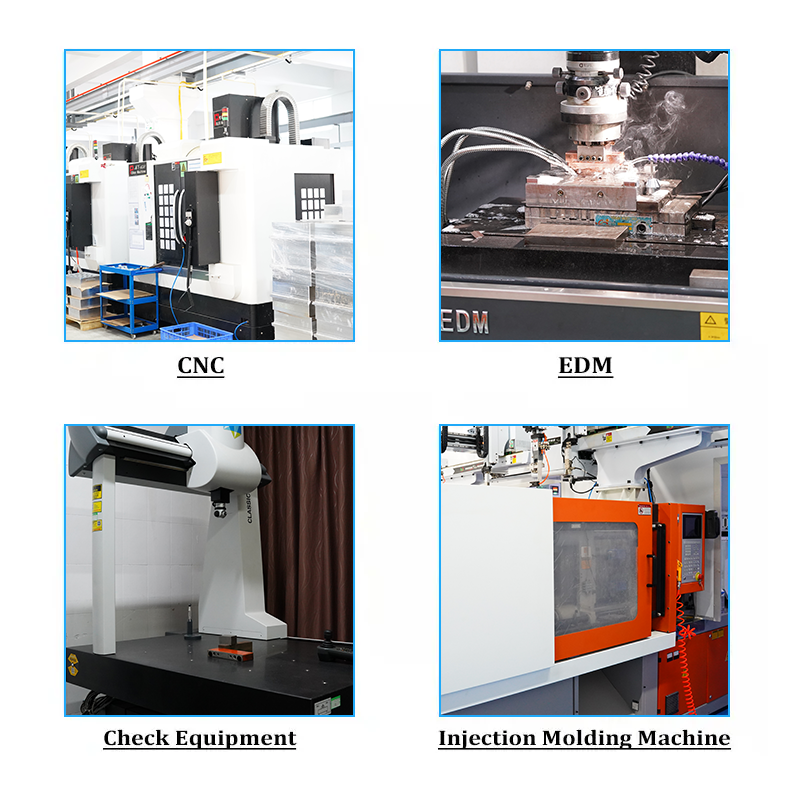
Our workshop is equipped with 50 comprehensive range of 3, 4, and 5-axis CNC milling and turning centers, 6 swiss-type lathes,2 EDM devices, 30 injection machines from 100T-1200T, which enabling us to handle high-tolerance and complex geometries and a wide variety of materials.

Technical Partnership & Engineering Support

RPD provide 24/7 support all year round. We focus on building long-term, strategic partnerships as well. Our engineering/project team works closely with you to optimize designs for cost, performance, and manufacturability, adding value beyond simple production.

Wide Material/Project Experience

We have 16 yrs experience to provide material solutions, from various grades of aluminum and steel to plastics, ensuring the right material for your application.

Competitive Value & Cost Optimization

By leveraging our manufacturing efficiency and technical expertise, we identify and eliminate unnecessary costs, delivering high-quality machined parts that offer exceptional and a stronger competitivevalue to booster your business.

Speed & On-Time Delivery

We understand the critical importance of timelines. Our efficient production planning and proven processes are designed to deliver rapid turnaround without compromising on quality, ensuring your projects stay on schedule and delivery out your order as fast as 3–10 days. Our production order can get 95.8% on time delivery.

Injection tooling & Molding Material

We believe in using the highest quality materials for your tooling and molding project will booster your business. It’s important that your punch pressed parts are able to withstand the demands that will be put on them every day.

For Injection tooling, the tooling material including: tool steel,Stainless Steel, Aluminum, say S136, S136H, P20, NAK80, 718, 718H,316L, 6061, 7075, etc.

We offer a wide selection of industrial-grade materials for both prototyping and production, including common plastics like ABS, PC, PP, and PA, as well as high-performance, temperature-resistant options such as PEI and PPS. Visit our Material Guide for selection tips and recommendations.

Understanding material grades, properties, and trade-offs is key. Let us help you select the right material for your application. Contact us to explore more materials today!

oppo 0

ABS

ABS bridges the gap between engineering and commodity plastics offering excellent strength, great surface finish, easy processing, and low cost. That's why it's the go-to material for automotive, electronics, consumer, and industrial parts. More Metals
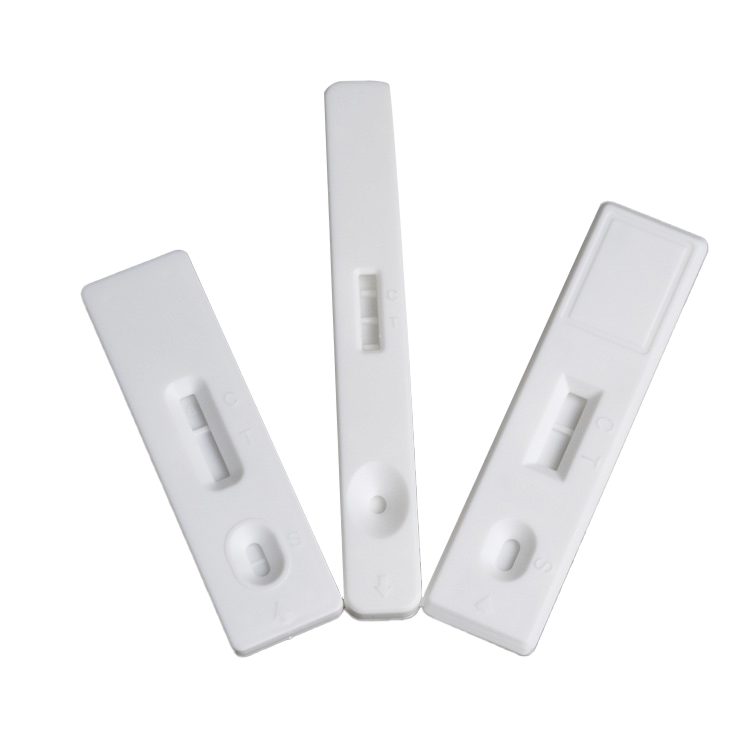
injection pe parts

PE

PE processes easily and keeps costs low. It may not match engineering plastics in heat resistance or stiffness, but its chemical resistance, flexibility, and affordability make it ideal for packaging, containers, and consumer goods — balancing efficiency and cost. More Metals
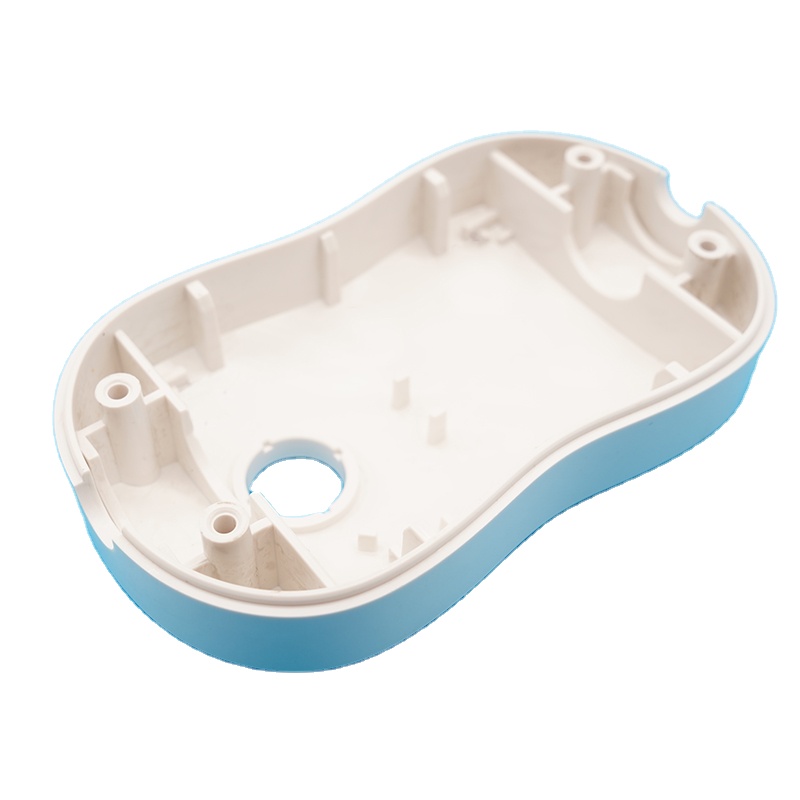
injection pp parts

PP

PP is the most widely used commodity plastic, known for heat resistance, flexural endurance, and chemical resistance. Strong yet flexible, it's the go-to material for food-contact products from containers and appliances to medical and automotive parts. More Metals
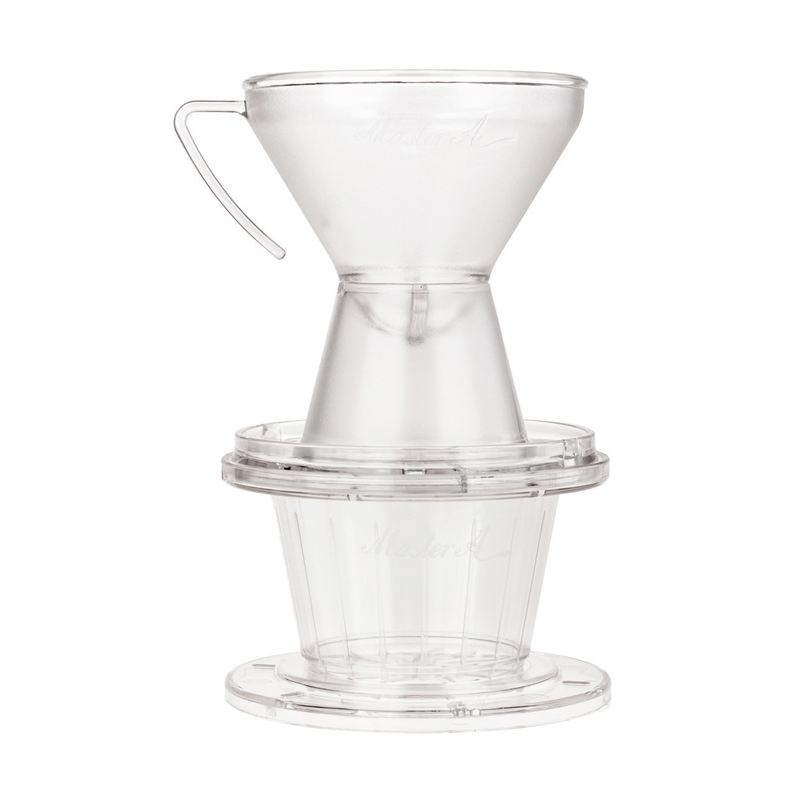
injection ps parts

PS

PS is a typical hard and brittle material. Due to its high transparency, easy processability, dimensional stability, and extremely low cost, it is widely used in disposable consumer goods such as stationery, tableware, and home appliances. More Metals
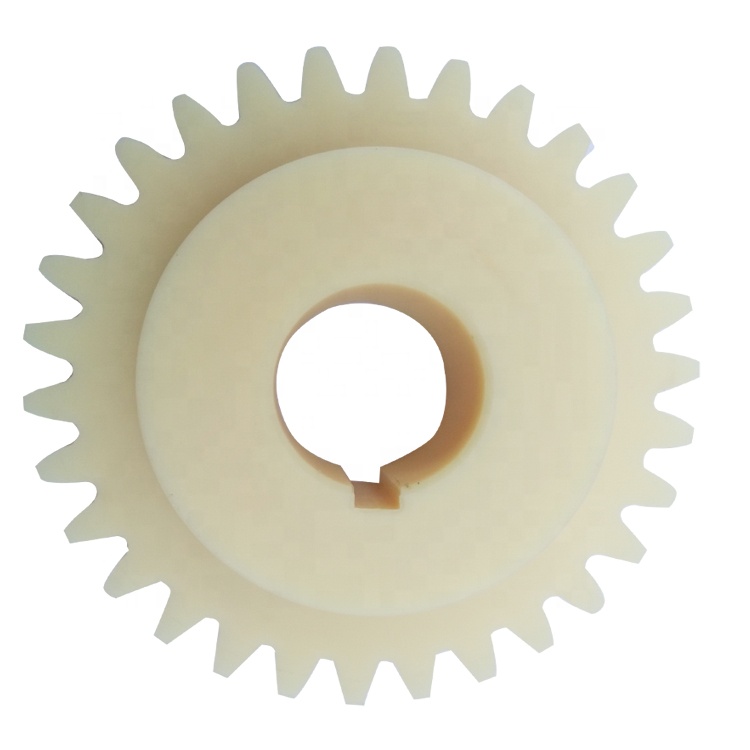
injection pa parts nylon parts

PA/Nylon

With excellent wear resistance, self-lubrication, high tensile strength, toughness, and resistance to oils and most solvents (though moisture-absorbent), this material is ideal for injection-molded parts like gears, bearings, and automotive intake manifolds.
injection pc parts

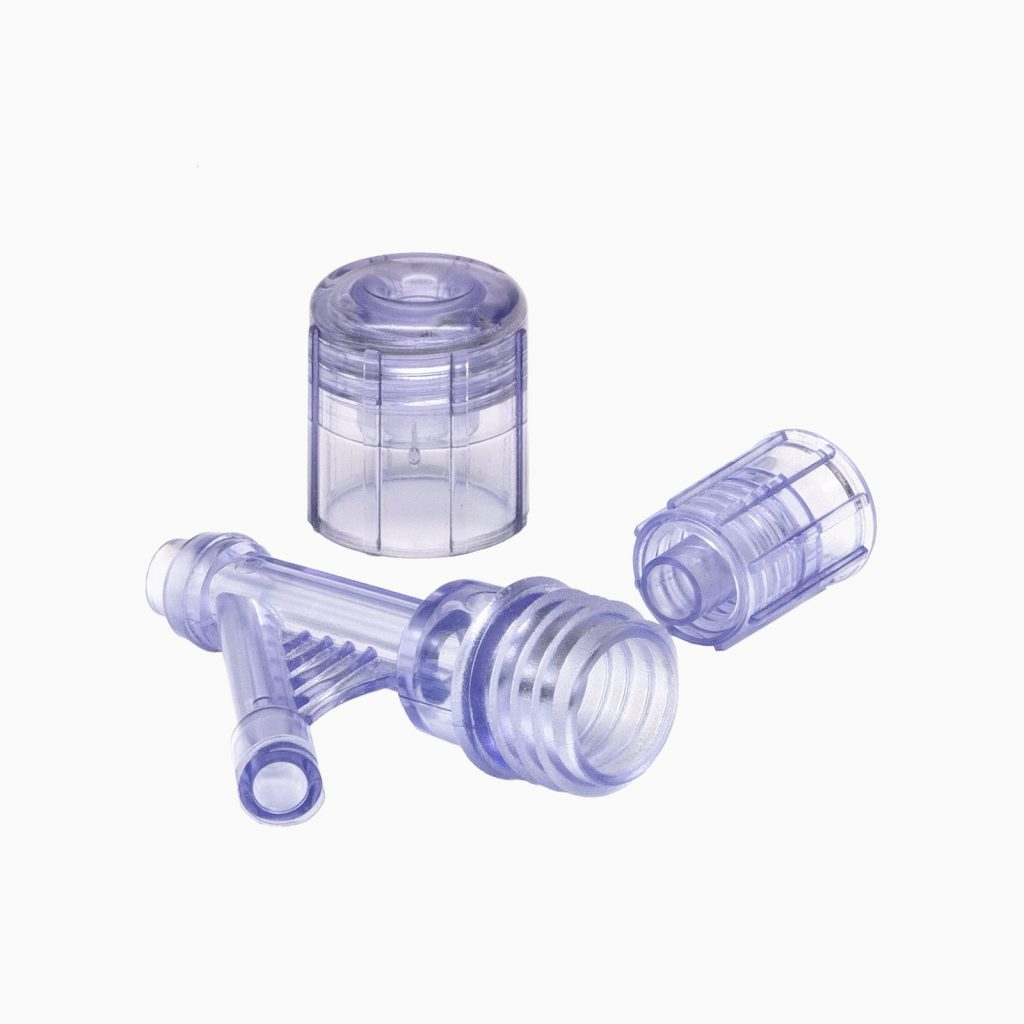
PC

Featuring excellent transparency, high impact resistance, good heat resistance, and dimensional stability, this material is well-suited for injection molding mobile phone cases, automotive lens covers, water containers, and medical housings.
injection pom parts

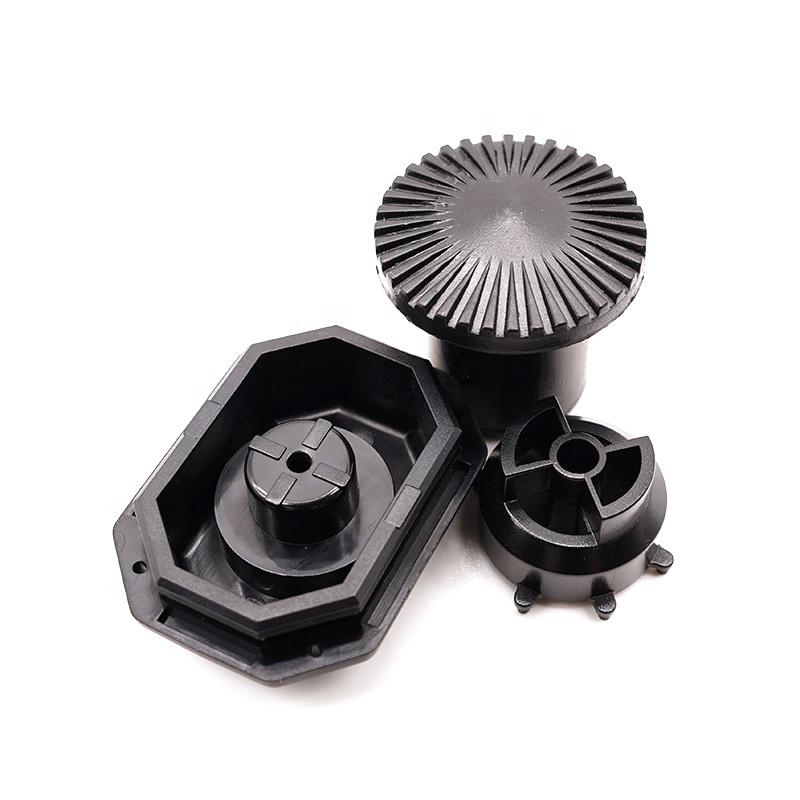
POM

Offering high rigidity and hardness, it is known as "steel-like plastic". It features a very low coefficient of friction, excellent wear resistance, strong fatigue resistance, and good resilience. These properties make it ideal for injection molding precision parts such as gears, bearing cages, and valves.
injection pe parts

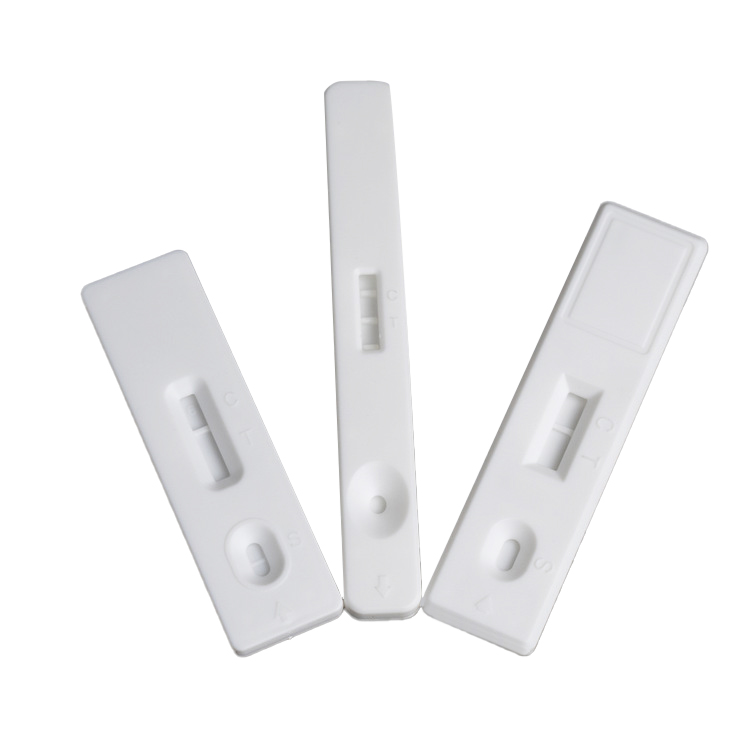
PET

Food contact safe, non-toxic, and odorless, this material delivers good rigidity, creep resistance, high-temperature stability, and resistance to oils and most solvents. It's an ideal choice for applications in medical, electrical enclosure, and automotive sectors.
injection peek parts

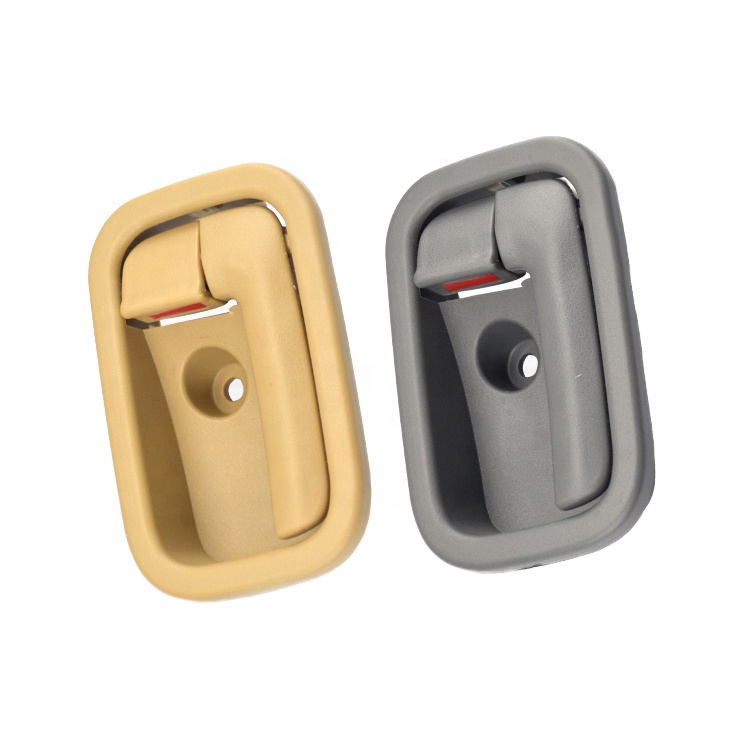
PEEK

A top-tier high-performance plastic, it withstands 260°C continuous use and resists nearly all chemicals. With excellent radiation/hydrolysis resistance, flame retardancy, and high strength, it's ideal for aerospace, medical, and petrochemical applications.
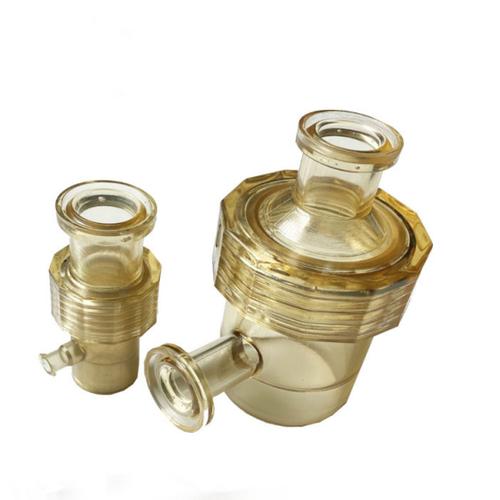
pei injection molding parts

PEI

This amber, semi-transparent plastic resists heat up to 210°C and is inherently flame-retardant,no additives needed. With high strength, rigidity, and resistance to hydrolysis and most chemicals, it's ideal for medical devices, electronic connectors, and aerospace interiors.
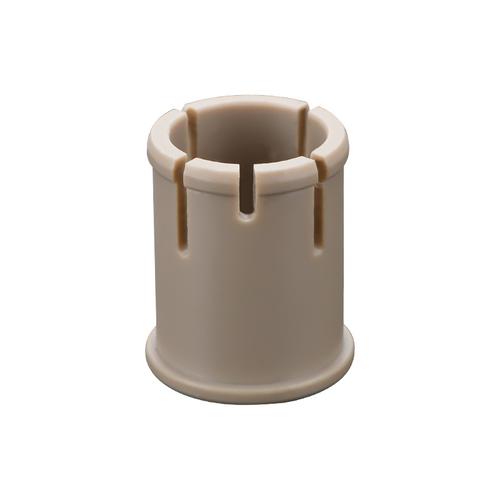
pps injection molding parts

PPS

Withstanding up to 260°C, PPS delivers excellent chemical resistance, inherent flame retardancy, high rigidity, and dimensional stability. It's ideal for under-hood automotive parts, electronic connectors, pumps, valves, and microwave brackets.


Our Injection tooling & Molding capabilities

Contact us to explore more  opinions today!

ItemDetails
Injection Molding MaterialABS,PC,PP,PPS,PEEK,PMMA(Acrylic),POM(Acetal/Delrin),HDPE,PTFE(Teflon),TPU,PVC,PET,PBT,PA(Nylon),etc
Lead Time2-5 weeks for tooling and 1-2weeks for injection molding
Machines & Mold Types50T – 1100T machines; single/multi-cavity & family molds; steel & aluminum molds.
Part Size Range5 × 5 × 5 mm to 1200 × 1000 × 500 mm
Tolerances & PrecisionMold cavity tolerance ±0.02 mm; part repeatability ±0.1 mm.
Wall Thickness & Features0.5 mm – 5 mm walls; 0.5° – 2° draft; undercuts, ribs, gussets, bosses.
Production VolumesPrototype to mass production (up to 100,000+ cycles).
Secondary OperationsMold texturing, pad printing, laser engraving, threaded inserts, assembly.
Inspection StandardISO 9001, 5 steps inspection
Mold ClassPurposeShot LifeToleranceLead TimeCost
Class 105Prototype TestingUnder 500 cycles± 0.02mm1-2 weeks$
Class 104Low-volume ProductionUnder 100000 cycles± 0.02mm2-3 weeks$$
Class 103Low-volume ProductionUnder 500000 cycles± 0.02mm2-3 weeks$$$
Class 102Medium-volume ProductionUnder 1000000 cycles± 0.02mm3-4 weeks$$$$
Class 101High-volume ProductionOver 1000000 cycles± 0.02mm4-5 weeks$$$$$

Injection Mold Surface Finishes

 SPI ASPI BSPI CSPI D
DescriptionMirror finish with exceptional smoothness and reflectivity. Ideal for high-end consumer products, optical components, and applications requiring pristine surface quality.High gloss finish with excellent surface quality and minimal visible tool marks. Perfect for automotive parts, electronics housings, and premium consumer goods.Semi-gloss finish with good surface quality and moderate tool marks. Suitable for general purpose applications, household items, and cost-effective production runs.Matte finish with visible tool marks and textured appearance. Ideal for industrial applications, prototypes, and products where surface finish is not critical.
Finishing LookHigh GlossSemi GlossLow GlossMatte
SPI Finish GradesSPI A1, A2, A3SPI B1, B2, B3SPI C1, C2, C3SPI D1, D2, D3
Surface Roughness Ra (μm)SPIA1: 0.012 to 0.025
SPIA2: 0.012 to 0.025
SPIA3: 0.05 to 0.10
SPI B1: 0.05 to 0.10
SPI B2: 0.10 to 0.15
SPI B3: 0.28 to 0.32
SPI C1: 0.35 to 0.40
SPI C2: 0.45 to 0.55
SPI C3: 0.63 to 0.70
SPI D1: 0.80 to 1.00
SPI D2: 1.00 to 2.80​
SPI D3: 3.20 to 18.0


Custom Parts For Different Industries

Provide CNC Machining One-Stop Services for Different Industries

robotic & automation
Robotic & Automation
medical industry
Medical
£¨¾Û½¹¸´¹¤¸´²ú£©£¨3£©ÖØÇìÁ½½­ÐÂÇøÍÆ¶¯Æû³µ²úÒµ½¡¿µ·¢Õ¹
Automotive
ÉÂÎ÷±¦¼¦£º×°±¸ÖÆÔìÒýÁìÀϹ¤Òµ»ùµØ×ªÐÍÉý¼¶£¨7£©
Industrial Machinery
aerospace industry
Aerospace
comsumer products
Consumer Products
energy industry
Energy
portfolio3
Consumer Products

Our Customers

Trusted by These Brands

Which Process Should I Choose? Injection Molding vs. Other Manufacturing Methods

Process/MethodDescriptionBest ForKey BenefitsTypical Lead Time
CNC MachiningRemoves material from a solid blockHigh precision, tight tolerances, any quantityMOQ 1 piece and fast delivery, no need mold3–10 working days
3D PrintingBuilds layer by layerComplex internal structures, prototypes, low volumeMOQ 1 piece and fast delivery, no need mold1–3 working days
Injection MoldingInjects molten material into a moldHigh-volume plastic partsFor mass production parts, cost-effective15–25 working days

In summary: CNC machining is the go-to manufacturing process when you need high precision, tight tolerances, wide material selection, and reliable repeatability,from one-off prototypes to production runs of thousands of parts.

Would you like to start a project with us?

End-to-End 6D Solutions, From Concept to Mass Production. Integrated 5 Steps Quality Control Across Every Stage.

Phase 1: DFM & Material selection

The process encompasses: conducting a product feasibility analysis, specifying the manufacturing processes and mold materials, establishing tolerance standards, and formulating cost optimization strategies.

Phase 2: Mold Design

The scope includes leveraging mold flow analysis, design simulation, and structural optimization to guarantee high performance and superior manufacturability.

Phase 3: Mold Manufacturing

Encompasses precision manufacturing processes, including CNC machining, EDM, texture,assembly, polishing, etc, each executed to exacting standards.

Phase 4: Mold Testing

De-risks production by using in-house trials to verify mold function and confirm part quality.

Phase 5: Sample Confirmation

Before the final approval, provide the customers with satisfactory samples for evaluation and feedback.

Phase 6: Mold & Parts Delivery

Upon customer approval, molds will be either shipped or retained in-house for batch production and free maintenance.

How can we work close with our client?

cnc machining

A – Z Assistance:

1)Our professional team will provide 24/7 Engineering Support
by one-on-one assistance.

2)Our experienced engineers will freely review and optimize your part designs (DFM), provide actionable feedback, and deliver competitive quotations, which all based on your design drawings, application requirements, and desired outcomes.

4)Throughout production, you’ll receive progress updates every 2–3 days.

5) Upon completion, we’ll share high-quality photos of finished parts and packaging, along with full documentation: inspection reports, shipping details, and material certifications.

Injection Tooling & Molding with Expert DFM & Engineering Support

What Our Engineering & DFM Support Includes?

Design Review

Analyze CAD models for manufacturability, tolerance feasibility, and material suitability

Material Selection

Recommend the optimal metal, plastic, or composite based on strength, cost, and application needs。

Design Optimization

Adjust sharp corners, deep cavities, thin walls, or hard-to-machine details for efficient production

Tolerance Analysis

Ensure critical dimensions are achievable while avoiding unnecessarily tight tolerances that drive up cost

Tool Access Check

Identify features that may require special tooling or 5-axis machining

Cost Reduction Suggestions

Propose design changes that reduce cycle time, tool wear, or secondary operations

How to work with RPD?

 
Upload Design Drawing
 
DFM Analysis & Quote
 
Order Confirmation
 
Parts Delivered

FAQs About Our Injection tooling & Molding Services

Why Tooling?

Tooling is the foundation of high-volume, repeatable manufacturing. Tooling turns a slow, manual process into a fast, automated, high-volume production system. If you need mass production, you must be choose tooling and molding production.

The molding workshop includes EDM, wire EDM, 50+CNC machining center, 50+injection machines ranging from 80 to 1000 tons, ect to meet different production requirements. Request equipment list, contact our team: ashely@rpdmfg.com.

Yes, exactly. We support both. You can either for use at your own facility or leave it with us for long-term molding production.

We operate under a rigorous Quality Management System (QMS) aligned with ISO standards. Our 5 Steps QC process is including IQC (Incoming Quality Control) , FQC (Final Quality Control) , OQC (Outgoing Quality Control) for routine production.
QE (Quality Engineering) / CAPA (Corrective and Preventive Actions) implemented throughout the entire product lifecycle, especially during the post-sale stage, to drive continuous improvement. Simply speaking  100% inspection before shipment to ensure zero defects.

One of the reasons engineers purchase from RPD is that we take on all the risks for you. We guarantee you’ll love what you get. Not happy with it? We’ll either redo it or give you a full refund. Your purchase is completely risk-free.

Material – Hardened steel (costly but durable for high volume)

Complexity – CNC, EDM, polishing; multi-cavity, undercuts add cost

Precision – Tight tolerances require advanced equipment & skilled labor

Customization – Every mold is custom-built for a specific part

Engineering – Significant design time for cooling, ejection, and geometry

We accept STEP, IGES, STL, DWG, DXF, and other common CAD formats.

1. Part Geometry – Shape, size, and complexity drive mold design. Thin walls, intricate details, and complex geometries require specialized features like additional cooling or advanced gating systems.

2. Material Selection – The plastic type affects cooling rates, shrinkage, and flow. Polypropylene shrinks more; polycarbonate needs higher mold temperatures. Abrasive or corrosive plastics also demand wear-resistant mold materials.

3. Tolerances & Precision – High-precision parts (automotive, medical) require tighter mold tolerances — which complicates design and increases cost.

4. Ejection System – Ejector pins, air blasts, or stripper plates must be carefully integrated to remove parts without damage — affecting both design and cycle time.

5. Gate Design – Gate type and location (direct, pin, edge) control how molten plastic enters the mold, impacting part quality, surface finish, and cycle time.

6. Undercuts & Parting Lines – Undercuts or complex shapes may require side actions or lifters to release the part, increasing mold complexity and cost.

Yes, we offer two key benefits for molds set up at our facility: free storage and free maintenance.

CNC Resources

cnc milling
5 axies cnc machining
cnc milling cnc machining

What is a CNC Machining Center?

A CNC machining center is an advanced, computer-controlled machine tool capable of performing multiple machining operations—such as milling, drilling, tapping, boring, and sometimes turning.

Ashely . March 9, 2026

How many kinds of Types in CNC Machining Centers?

There are at least 5 different CNC lathes type in Machining Centers: Vertical Machining Center, Horizontal Machining, 5-Axis Machining Center, Gantry / Bridge Mill, Turn-Mill Center (Multi-Tasking).

Ashely . March 9, 2026

What is CNC Machining?

CNC (Computer Numerical Control) machining is a subtractive manufacturing process in which pre-programmed computer software controls the movement of factory tools and machinery to remove material from a solid workpiece, creating a finished part or product.

Ashely . March 9, 2026

Tell Us About Your Project today!

Turn your concept into production today, Validate your design with real parts!