The Top Chinese Heat Treatment Solutions Partner
We Offer a Variety of Heat Treatment for Custom Parts
High-quality heat treatment services enhance both their physical and mechanical properties of your products.
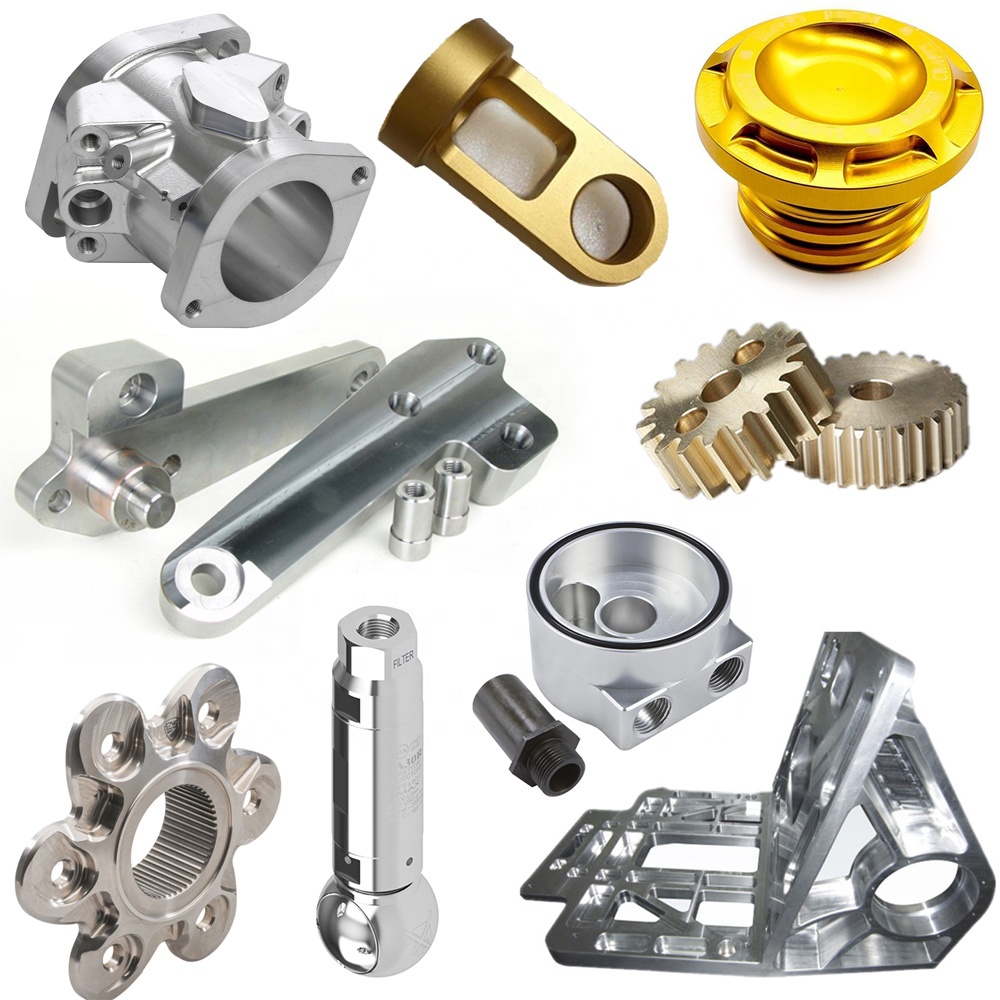
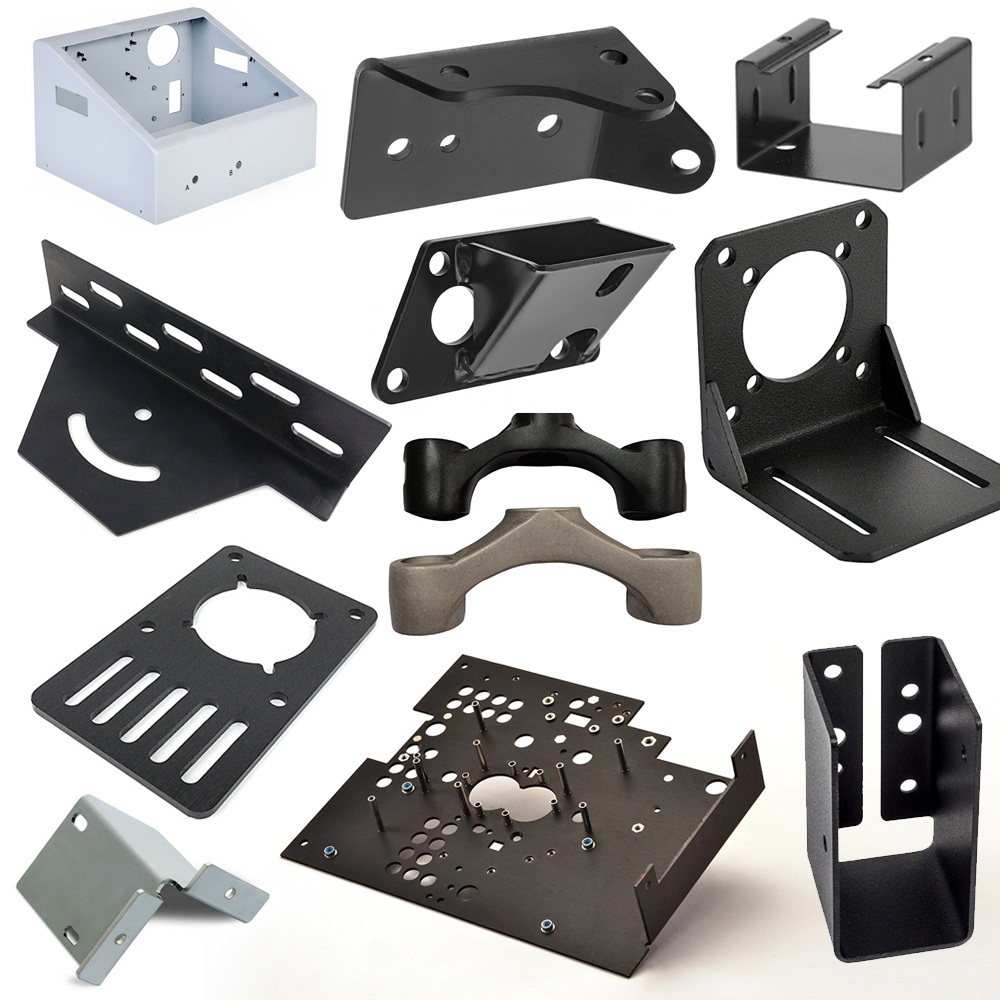
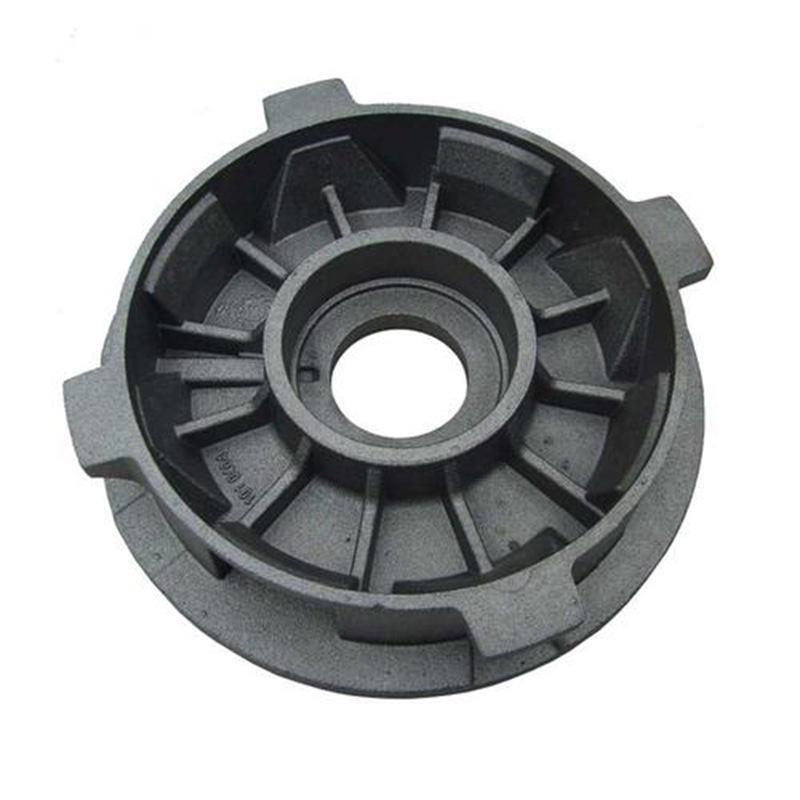
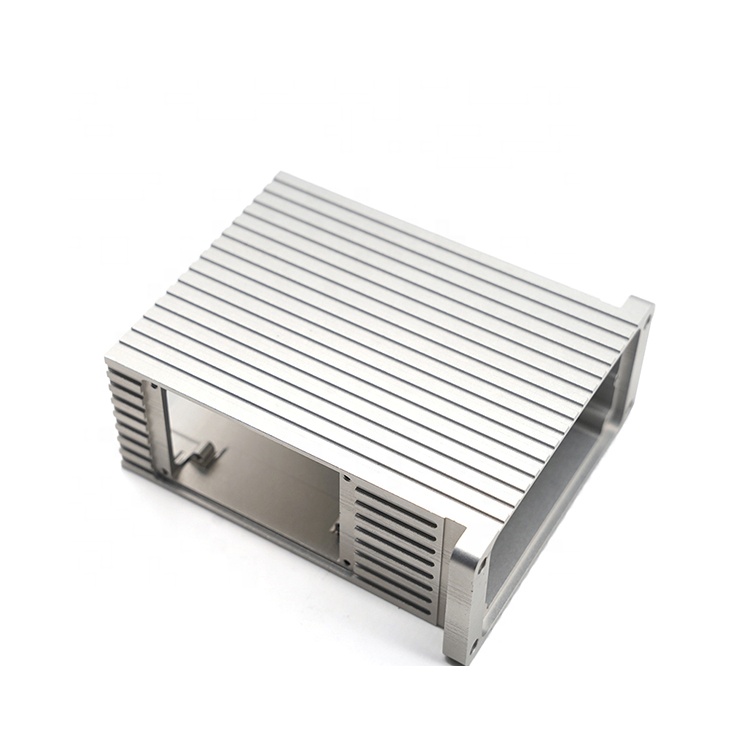
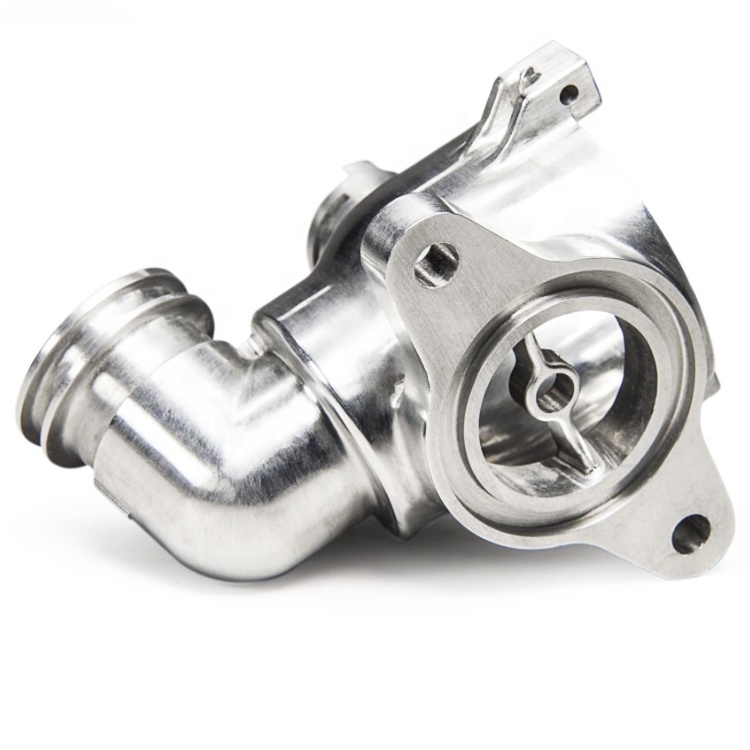
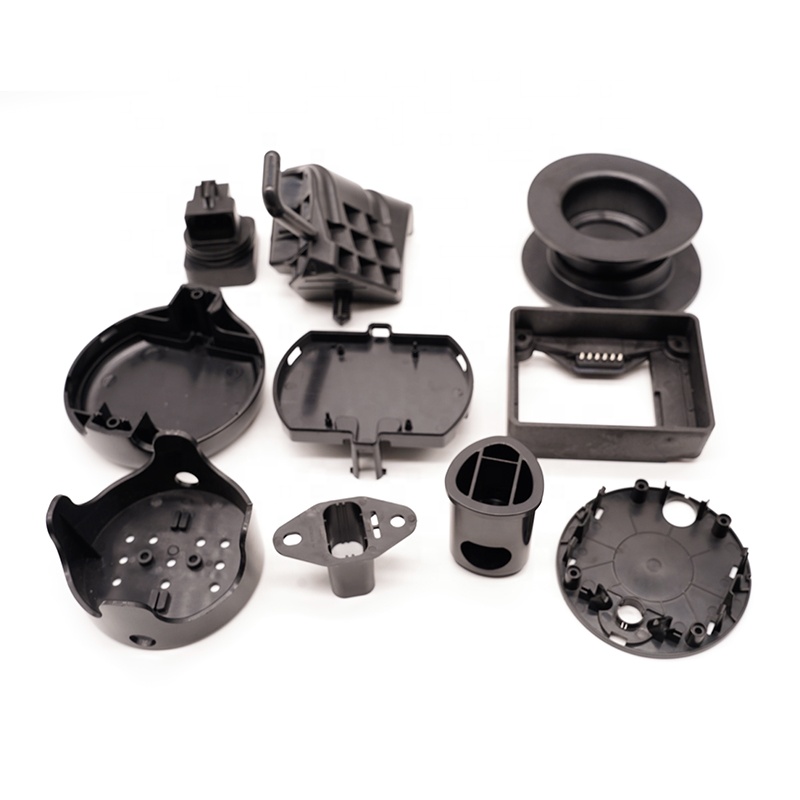
Our heat treatment services cover most manufacturing processes, including CNC machining, sheet metal fabrication, 3D printing, injection molding, casting, and more.
Ready to elevate your production? Let’s go !
- RPD Provide 24/7 Engineering Support All Year Round.
- All tools and dies are engineered and produced in house
- More Than 60+ Certified Materials for Choose. Offer CoCs, Material Certifications, Inspection Reports.
- ISO 9001:2015 quality standards.
- Expert DFM & process optimization
What’s Heat Treatment?
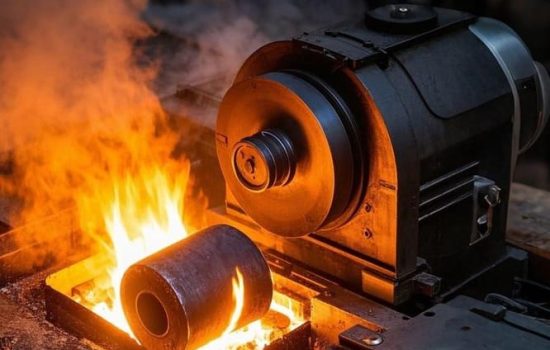
Heat Treatment is a controlled process of heating and cooling solid materials to alter their physical and mechanical properties, say process of enhancing the hardness, ductility and fatigue resistance, wear resistance or machinability without changing the product’s shape. Elevate the quality of your project today!
Benefits of Heat Treatment
Without heat treatment, some metal parts become too brittle. Heat treatment strengthens metals like steel and aluminum, which are widely used in aircraft, cars, and computers to ensure safety and performance.
It mainly improves shear strength, tensile strength, and toughness. Heat‑treated metals are stronger and more durable, reducing the need for frequent replacement of expensive parts.
Proper heat treatment also relieves internal stress, making metals easier to weld or machine. Key benefits include:
Increased strength with good ductility
Better wear resistance
Stress relief for easier machining/welding
Reduced brittleness
Improved electrical and magnetic properties
Heat Treatment Type
Heat to an appropriate temperature, keep warm, and slowly cool to soften the material, eliminate internal stress, homogenize chemical composition and structure, and prepare for subsequent processing or heat treatment.
Typical Applications: Pre treatment of forgings, castings, and welded parts, followed by re softening after cold work hardening.
Heat to austenitization temperature, keep warm, and cool in air.
Improvement of low-carbon steel enhances its machinability.
To obtain a martensitic or bainitic structure with high hardness and wear resistance, heat it above the critical temperature, hold it for a while, and then cool it quickly.
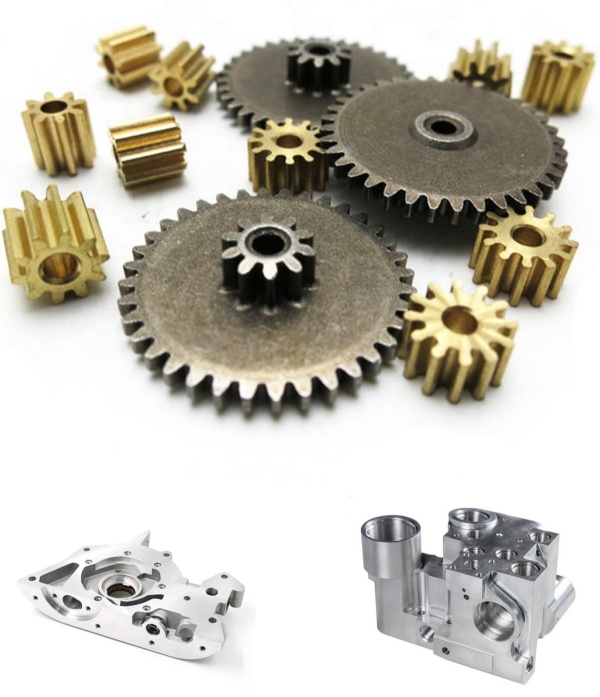
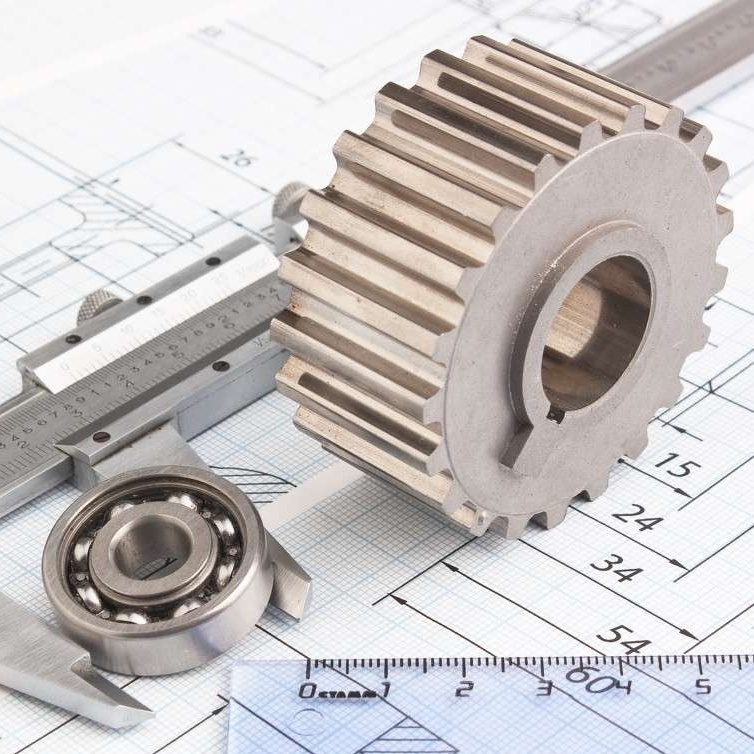
Typical Applications: All parts that require high hardness, such as cutting tools, molds, bearings, gears, etc
The process of obtaining high hardness on the surface of the work piece.
Surface quenching is to obtain a deeper hardened layer to withstand high contact stress or rolling loads, such as the tooth surface of gears.
The process of obtaining high hardness on the surface of the work piece.
Chemical heat treatment requires a surface that is extremely hard, while the core has high toughness to withstand impact loads, such as automotive transmission gears.
Optimize Processes and Output Stability Expert-Level Technical Support
Why Choose RPD?
Professional CNC Machining, sheet fabrication, Injection Molding & rapid prototyping, Professional Services, Comprehensive A-Z Solutions.
Guaranteed Quality & Rigorous Inspection
Advanced Technology & Broad Capabilities
Technical Partnership & Engineering Support
Wide Material/Project Experience
Competitive Value & Cost Optimization
Speed & On-Time Delivery
End-to-End 6D Solutions, From Concept to Mass Production. Integrated 5 Steps Quality Control Across Every Stage.
Phase 1:TR / PRD (Technical Review / Product Requirements Definition)
DFM, material selection & tolerance optimization for manufacturability. .
Concept Validation: Support rapid prototyping for functional verification; identify structural and process risks early.
Cost Engineering: Deliver cost-oriented feedback to minimize redesign cycles prior to EVT.
Phase 2: EVT (Engineering Verification Test)
Precision Engineering: One-stop solutions combining high-speed CNC machining and precision injection molding to deliver tight-tolerance parts for validation testing.
Engineering Support: Offer all-round engineering support including tolerance stacking analysis, surface treatment recommendations, and design optimization.
Phase 3: DVT (Design Verification Test)
Agile Revisions: Quick response to design modifications, ensuring rapid turnaround for the next round of prototype verification.
Visual Samples: Provide visible samples (appearance masters) for design approval.
Incoming Control: IQC (Incoming Quality Control) services to secure material quality.
Phase 4: MVT (Medium-Volume Verification Test)
Process & Fixture Validation: Verify the stability of the production process and the reliability of fixtures/tooling.
Full-Line QC: Implement IQC (Incoming Quality Control) , IPQC (In-Process Quality Control) , and OQC (Outgoing Quality Control) to monitor pilot run quality.
Phase 5: PVT (Process Verification Test)
BOM & Version Control: Identify trial production issues.
Process Standardization: Establish Golden Line production standards to ensure process repeatability and stability.
Comprehensive QC: Full suite of IQC (Incoming Quality Control) , IPQC (In-Process Quality Control) , and FQC (Final Quality Control) services.
Phase 6: MP (Mass Production)
ISO-Certified QC: Full documentation for guaranteed quality.
Lean Manufacturing: Optimize cost & quality.
Efficiency Boost: Modular fixtures for quick changeover.
Full-Lifecycle QC: Routine IQC/FQC/OQC + Post-sale CAPA for continuous improvement.
Our Manufacturing Capabilities
Aluminium
Stainless Steel
Steel
Brass
Copper
Bronze
Titanium
Zinc
Low/Mild Carbon Steel
PA/Nylon
POM
PEEK
PMMA
PEI
PPS
PC
ABS
PET
PVC
pp
Rubber/Silicone
PE
HDPE
Carbon Fiber
As machined
Smooth
Anodizing
Sand Blasting
Polishing
Brushing
Black Oxide
Powder Coating
Teflon Coating
Painting
DLC
Passivation
PVD
Electroplating
Mirror Polishing
Heat treatment
Electropolishing
SPI Finish
Silk Screen
Alodine
Laser Engraving
Electroless Plating
Tumbling
Knurling
Quality Assurance for Every NPI’s Phase
At RPD, quality is embedded in every step of the manufacturing process. We conduct rigorous inspections across all three production phases—pre-production, in-production, and post-production. Full-Line QC: Implement IQC (Incoming Quality Control) , IPQC (In-Process Quality Control) , and OQC (Outgoing Quality Control) to monitor pilot run quality.using advanced equipment such as CMMs (Coordinate Measuring Machines), XRF analyzers, and high-precision measurement tools. With over 20 specialized inspection devices, including two high-accuracy CMMs, our quality control framework ensures that every part meets exact specifications.
Our ISO-certified quality team, supported by more than 10 dedicated quality engineers, brings nearly two decades of expertise in prototyping and manufacturing excellence. We provide detailed inspection reports covering functional performance, regulatory compliance, and dimensional accuracy. This commitment to precision and transparency guarantees that every component we deliver is reliable, traceable, and ready for integration—whether for rapid prototyping or full-scale production.
Custom Parts For Different Industries
Provide CNC Machining One-Stop Services for Different Industries
Our Customers
Trusted by These Brands
Would you like to start a project with us?
How can we work close with our client?
A – Z Assistance:
1)Our professional team will provide 24/7 Engineering Support
by one-on-one assistance.
2)Our experienced engineers will freely review and optimize your part designs (DFM), provide actionable feedback, and deliver competitive quotations, which all based on your design drawings, application requirements, and desired outcomes.
4)Throughout production, you’ll receive progress updates every 2–3 days.
5) Upon completion, we’ll share high-quality photos of finished parts and packaging, along with full documentation: inspection reports, shipping details, and material certifications.
NPI Solutions with Expert Engineering Support
What Our NPI Engineering & Support Includes?
Design Review
Analyze CAD models for manufacturability, tolerance feasibility, and material suitability
Material Selection
Recommend the optimal metal, plastic, or composite based on strength, cost, and application needs。
Design Optimization
Adjust sharp corners, deep cavities, thin walls, or hard-to-machine details for efficient production
Tolerance Analysis
Ensure critical dimensions are achievable while avoiding unnecessarily tight tolerances that drive up cost
Tool Access Check
Identify features that may require special tooling or 5-axis machining
Cost Reduction Suggestions
Propose design changes that reduce cycle time, tool wear, or secondary operations
How to work with RPD?
Upload Design Drawing
- Send 2D/3D drawing online or by email
- Design Drawing format: STEP, IGES, DWG, PDF, STL, etc
- If you have multiple files, zip them or send by email to ashley@rdpmfg.com
DFM Analysis & Quote
- Our engineer team will review & analyze every file carefully.
- Request more details or provide optimize solution.
- Offer accurate quote with 6 hours.
Order Confirmation
- Confirm order & delivery details, sign the contract.
- Arrange & start to production.
- Check and confirm all details during production, Track every steps.
Parts Delivered
- Control quality during production.
- Provide order photos,inspection sheet and other request documents.
- Pack & label orders, then shipping.
FAQs About Our NPI Solutions Services
Why Tooling?
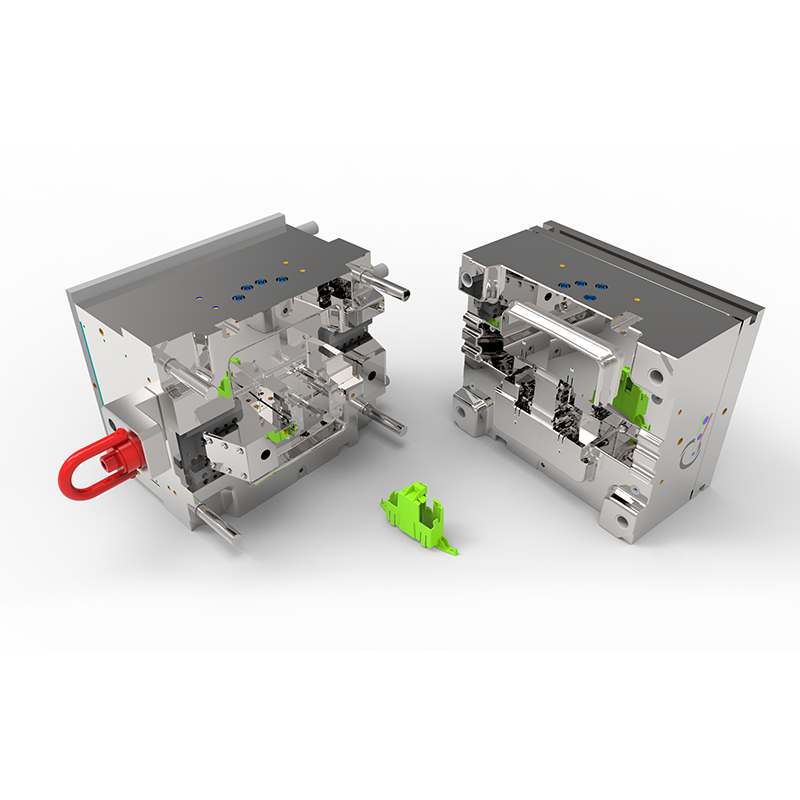
Tooling is the foundation of high-volume, repeatable manufacturing. Tooling turns a slow, manual process into a fast, automated, high-volume production system. If you need mass production, you must be choose tooling and molding production.
What kind of equipment do you use?
The molding workshop includes EDM, wire EDM, 50+CNC machining center, 50+injection machines ranging from 80 to 1000 tons, ect to meet different production requirements. Request equipment list, contact our team: ashely@rpdmfg.com.
Do you support export mold or production?
Yes, exactly. We support both. You can either for use at your own facility or leave it with us for long-term molding production.
What is your quality control system?
We operate under a rigorous Quality Management System (QMS) aligned with ISO standards. Our 5 Steps QC process is including IQC (Incoming Quality Control) , FQC (Final Quality Control) , OQC (Outgoing Quality Control) for routine production.
QE (Quality Engineering) / CAPA (Corrective and Preventive Actions) implemented throughout the entire product lifecycle, especially during the post-sale stage, to drive continuous improvement. Simply speaking 100% inspection before shipment to ensure zero defects.
What kind of quality assurance or warranty do you offer on orders?
One of the reasons engineers purchase from RPD is that we take on all the risks for you. We guarantee you’ll love what you get. Not happy with it? We’ll either redo it or give you a full refund. Your purchase is completely risk-free.
Why injection tooling is so expensive?
Material – Hardened steel (costly but durable for high volume)
Complexity – CNC, EDM, polishing; multi-cavity, undercuts add cost
Precision – Tight tolerances require advanced equipment & skilled labor
Customization – Every mold is custom-built for a specific part
Engineering – Significant design time for cooling, ejection, and geometry
Which kind of file formats can I send for tooling& production?
We accept STEP, IGES, STL, DWG, DXF, and other common CAD formats.
What Factors will Influence Tooling Design?
1. Part Geometry – Shape, size, and complexity drive mold design. Thin walls, intricate details, and complex geometries require specialized features like additional cooling or advanced gating systems.
2. Material Selection – The plastic type affects cooling rates, shrinkage, and flow. Polypropylene shrinks more; polycarbonate needs higher mold temperatures. Abrasive or corrosive plastics also demand wear-resistant mold materials.
3. Tolerances & Precision – High-precision parts (automotive, medical) require tighter mold tolerances — which complicates design and increases cost.
4. Ejection System – Ejector pins, air blasts, or stripper plates must be carefully integrated to remove parts without damage — affecting both design and cycle time.
5. Gate Design – Gate type and location (direct, pin, edge) control how molten plastic enters the mold, impacting part quality, surface finish, and cycle time.
6. Undercuts & Parting Lines – Undercuts or complex shapes may require side actions or lifters to release the part, increasing mold complexity and cost.
Can we store the mold at your facility for future production orders? Do you provide free maintenance for the mold?
Yes, we offer two key benefits for molds set up at our facility: free storage and free maintenance.
CNC Resources
What is a CNC Machining Center?
A CNC machining center is an advanced, computer-controlled machine tool capable of performing multiple machining operations—such as milling, drilling, tapping, boring, and sometimes turning.
Ashely . March 9, 2026
How many kinds of Types in CNC Machining Centers?
There are at least 5 different CNC lathes type in Machining Centers: Vertical Machining Center, Horizontal Machining, 5-Axis Machining Center, Gantry / Bridge Mill, Turn-Mill Center (Multi-Tasking).
Ashely . March 9, 2026
What is CNC Machining?
CNC (Computer Numerical Control) machining is a subtractive manufacturing process in which pre-programmed computer software controls the movement of factory tools and machinery to remove material from a solid workpiece, creating a finished part or product.
Ashely . March 9, 2026