The Top Chinese Die Casting Partner

We Offer a Variety of Die Casting Materials

Material selection determines whether a part works, lasts, can be made cost-effectively, and meets all functional and regulatory demands. Skipping this step leads to redesigns, production delays, or field failures.

Check out our wide selection of quality materials, those materials meeting the needs of different projects for strength, corrosion resistance, and specialized physical properties for customized parts by CNC machining, injection molding, sheet metal fabrication and 3D printing, vacuum casting, die casting for both prototyping and production stages.

Ready to elevate your production? Let’s go !

  • RPD Provide 24/7 Engineering Support All Year Round.
  • All tools and dies are engineered and produced in house
  • More Than 60+  Certified Materials for Choose. Offer CoCs, Material Certifications, Inspection Reports.
  • ISO 9001:2015 quality standards.
  • Expert DFM & process optimization

Why does material selection matter so much for custom parts?

Choosing the right material for custom parts is critical because it directly impacts performance, cost, manufacturability, and longevity.

Mechanical & Physical Properties

Strength, hardness, flexibility, weight, thermal resistance, and conductivity all depend on material. The wrong choice can lead to premature failure or poor functionality.

Application Environment

Will the part face high temperatures, corrosive chemicals, moisture, UV exposure, or heavy wear? Materials must be selected to withstand real-world conditions.

Manufacturing Compatibility

Not all materials work well with every process. The right material ensures efficient production with fewer defects.

Cost & Lead Time

Material cost varies widely. Over-specifying (e.g., using titanium where aluminum works) drives up expense. The right balance saves money without sacrificing quality.

Surface Finish & Aesthetics

Some materials polish better, take paint or anodizing more easily, or have natural color/texture. This matters for visual or consumer-facing parts.

Regulatory & Safety Requirements

Medical, aerospace, and food-contact parts must meet specific standards (e.g., FDA, ISO, RoHS). The right material ensures compliance.

Custom Parts with More than 60+ Materials

Provide Various Materials Die Casting One-Stop Services for Different Industries.

Die Casting & Precise Casting Production Material

We believe in using the highest quality materials for your tooling and molding project will booster your business. It’s important that your punch pressed parts are able to withstand the demands that will be put on them every day.

Die casting material including Aluminum, Magnesium, Zinc, Brass.

For precise die casting, the parts material including: Carbon Steels, Stainless Steels, Tool Steels, Nickel alloys, Cobalt alloys, Copper Alloys, Aluminum Alloys,Titanium Alloys, etc.

Understanding material grades, properties, and trade-offs is key. Let us help you select the right material for your application. Contact us to explore more materials today!

aluminum die casting a380

A380/ADC12

Best Fluidity, Best Overall Performance, Most Economical. Standard parts, housings, brackets, general industrial components.
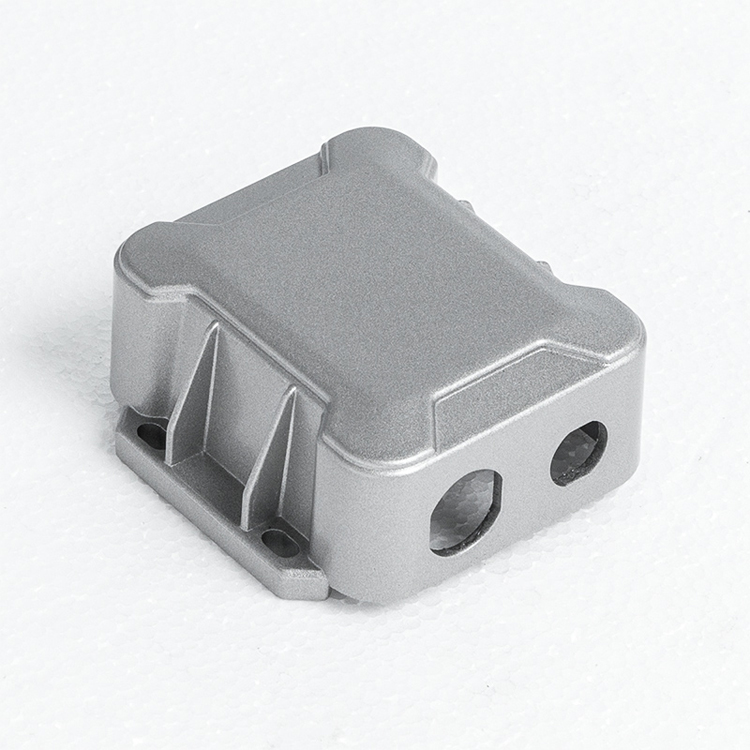
aluminum die casting a383

A383/ADC10

Best Fluidity, Ideal for Complex Thin-Walled Parts Thin-walled housings, precision electronic parts, complex heat sinks. More Metals
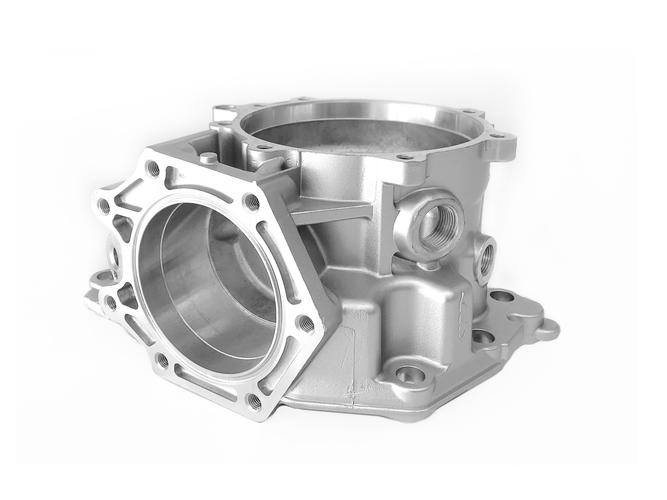
aluminum die casting a413

A413

Best Airtightness (Gas Tightness) Hydraulic valve bodies, airtight containers. More Metals
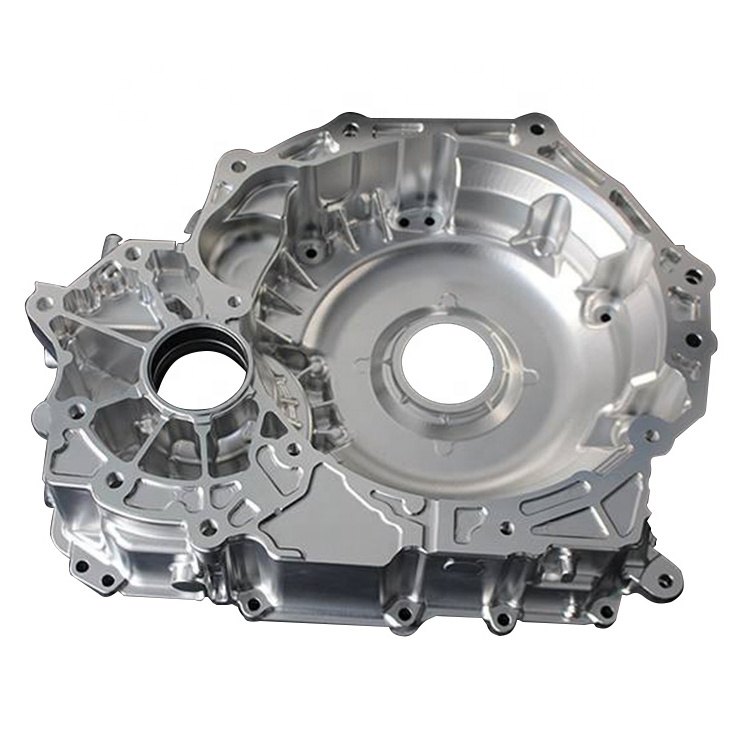
aluminum die casting a360

A360

Best Corrosion Resistance & Toughness Outdoor equipment, chemical pump bodies, high-strength structural parts. More Metals
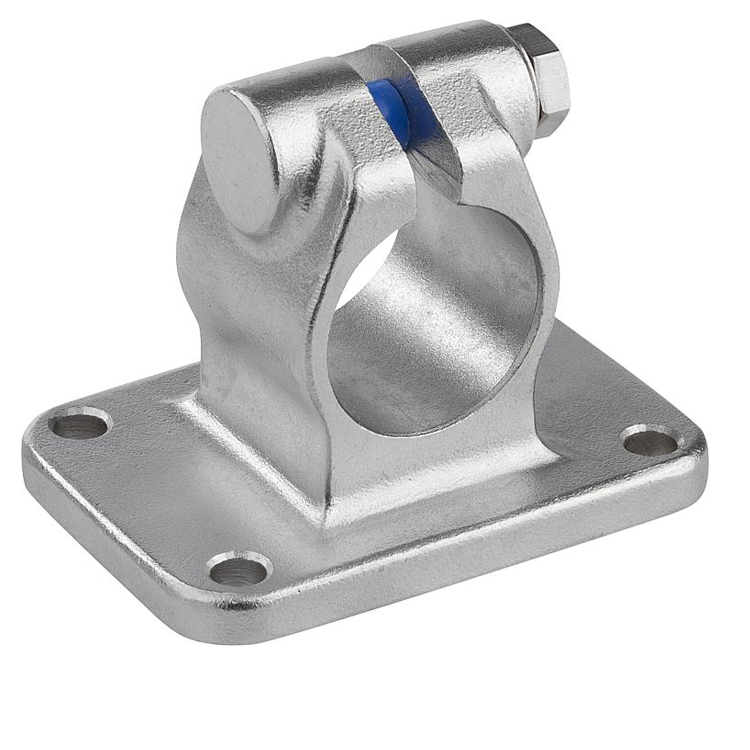
magnesium die casting az91d

AZ91D

The lightest, with a density of approximately 1.74 g/cm³, it is 33% lighter than aluminum and has higher strength. It has excellent electromagnetic shielding properties and is suitable for automotive instrument panel brackets, steering wheel frames, and 3C electronic product casings.
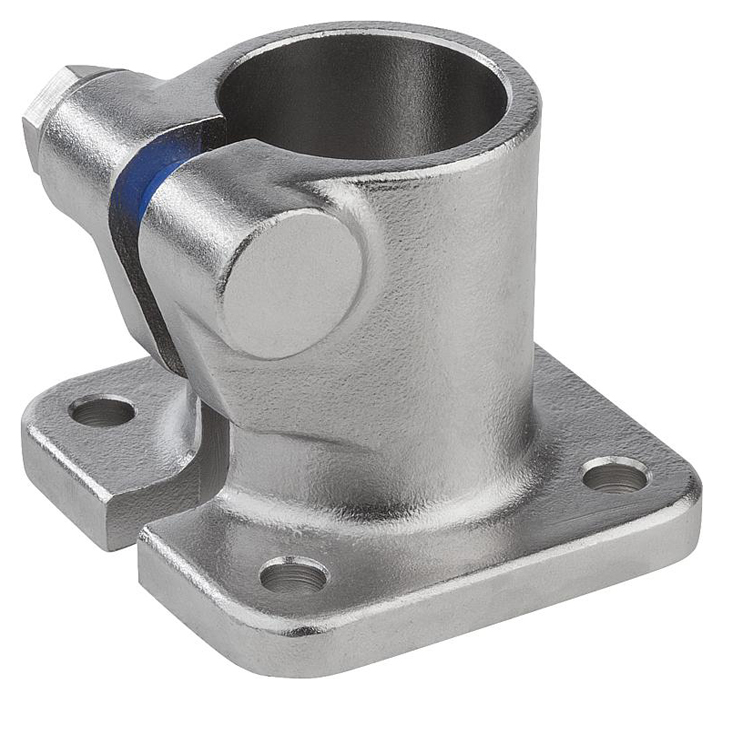
magnesium die casting am60b

AM60B

The lightest, with a density of approximately 1.74 g/cm³, it is 33% lighter than aluminum and has higher strength. It also has excellent electromagnetic shielding properties and is suitable for use in seat frames, airbag shells
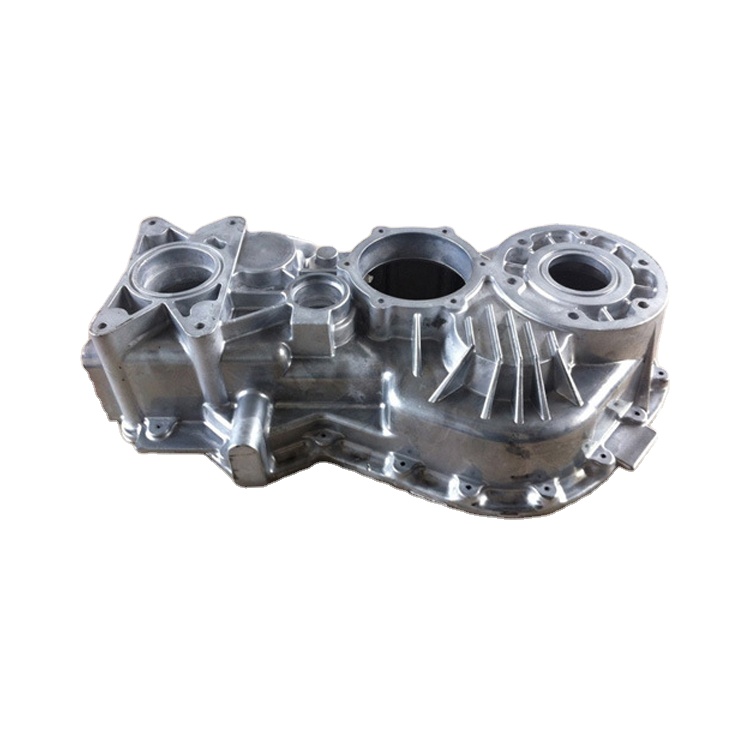
magnesium die casting

AM50A

AM50A is the core material for lightweighting of components. Especially in parts with high requirements for safety and rigidity, such as the car seat frame and backrest, dashboard crossbeam, and safety components.
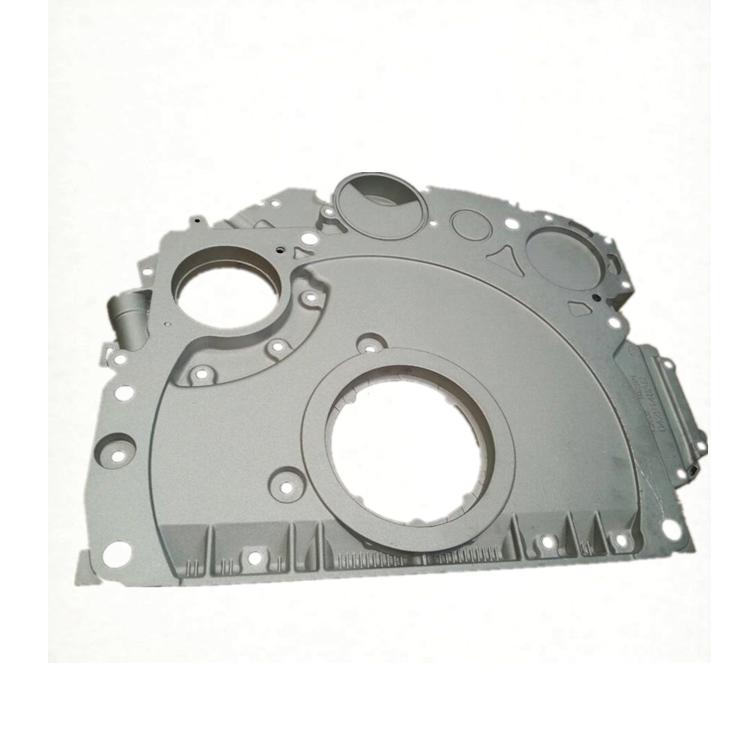
zinc die casting zamak 3

ZAMAK 3

Low melting point: approximately 380 - 390°C, with minimal thermal shock to the mold High fluidity: Capable of manufacturing thin-walled (less than 1mm) and high-precision parts Long service life of molds: Die-casting molds can last for over 1 million cycles. The surface treatment performance is excellent, suitable for exterior parts, bathroom hardware, toys, etc.
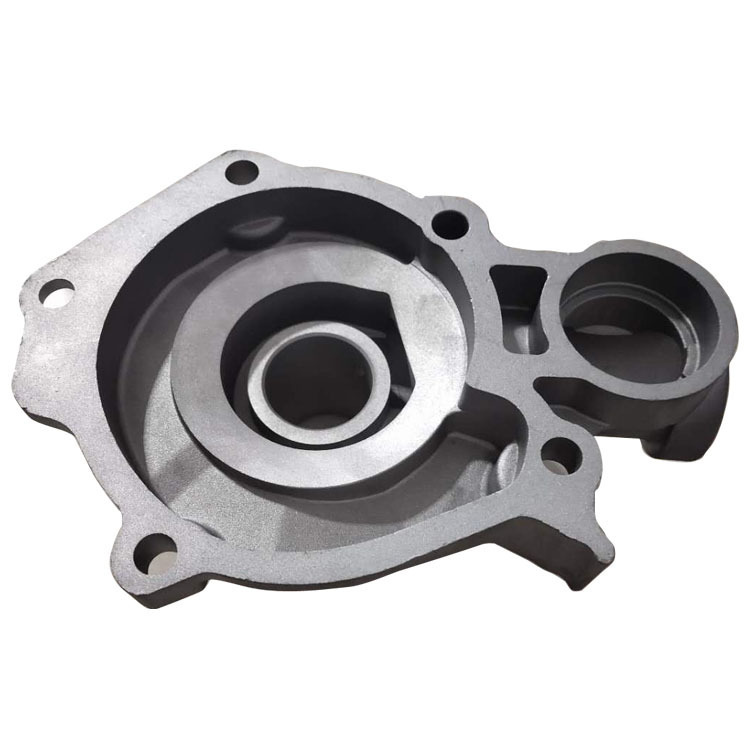
zinc die casting zamak 2

ZAMAK 2

As the strongest and hardest grade in the ZAMAK series, ZAMAK 2 offers exceptional wear and creep resistance making it ideal for load-bearing components that demand high mechanical performance. Common applications include heavy-duty gears, worm gears, and sheet metal forming dies.
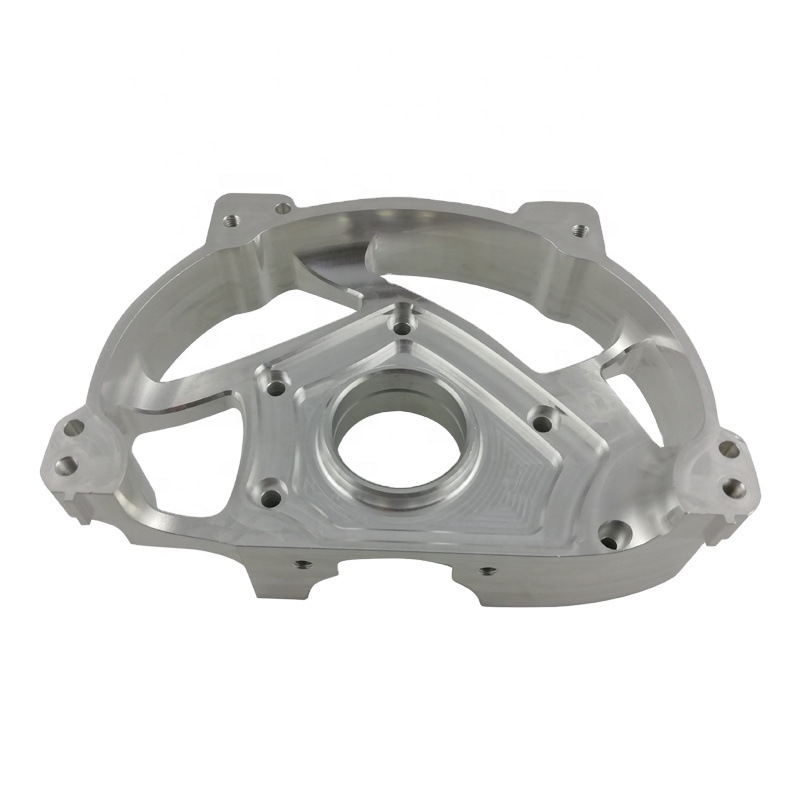
zinc die casting zamark 5

ZAMAK 5

Low melting point: approximately 380 - 390°C, with minimal thermal shock to the mold High fluidity: Capable of manufacturing thin-walled (less than 1mm) and high-precision parts Long service life of molds: Die-casting molds can last for over 1 million cycles. The surface treatment performance is excellent, suitable for industrial parts, high-strength connectors, etc
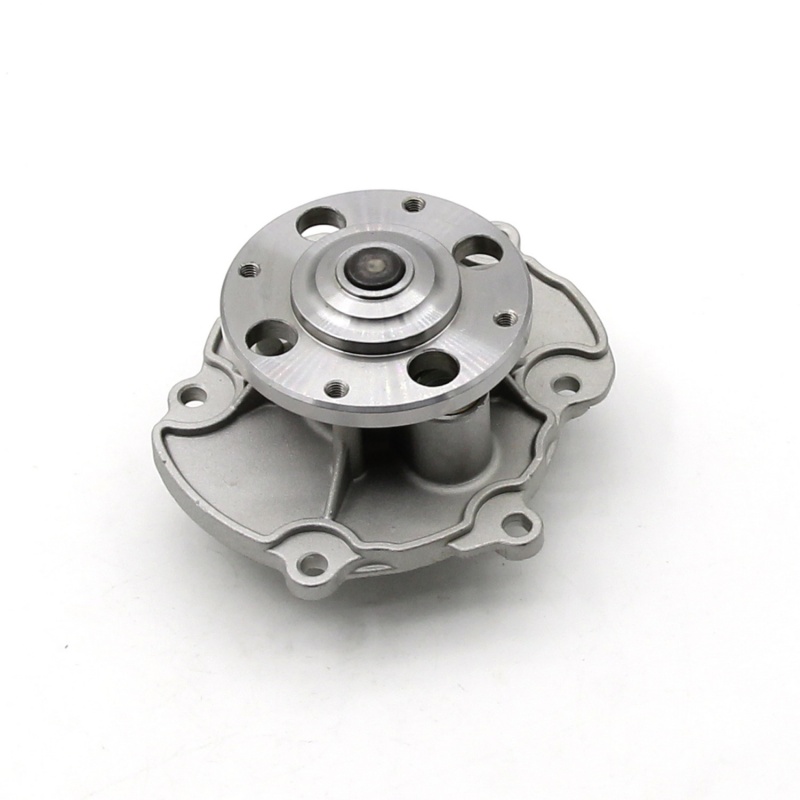
steel die casting

Steels

Carbon Steels:1020, 4130, 4140, 4340, 8620, etc. Stainless Steels:03, 304, 316 (austenitic), 410, 416, 440C , 15-5 PH, etc. Tool Steels: A2, D2, M2, O1, S7, etc.
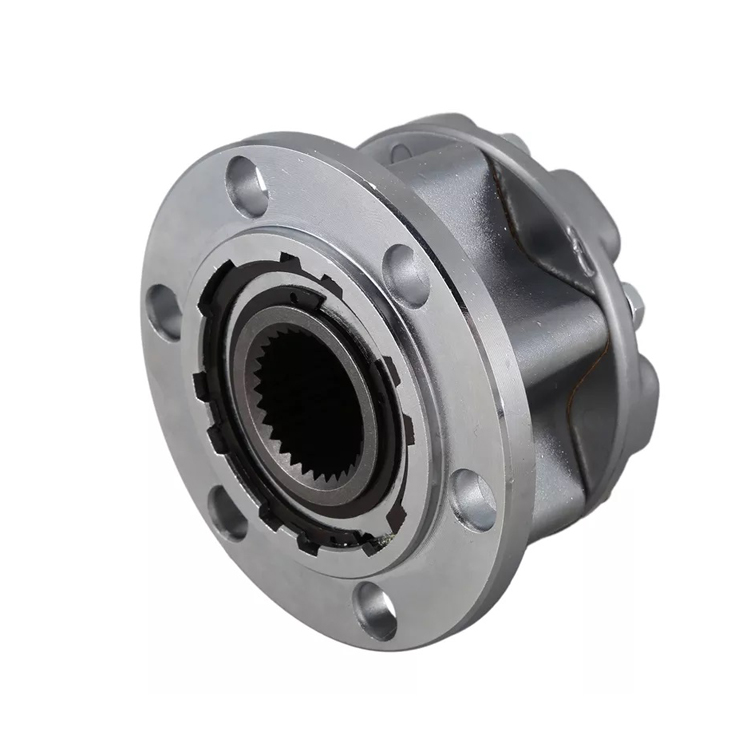
aluminum alloys die casting

Aluminum Alloys

Al-Si alloys: A356, A357 Al-Si-Cu alloys: 319 Al-Si-Mg alloys: 443 Al-Mg alloys: 535 High-strength alloys: 206
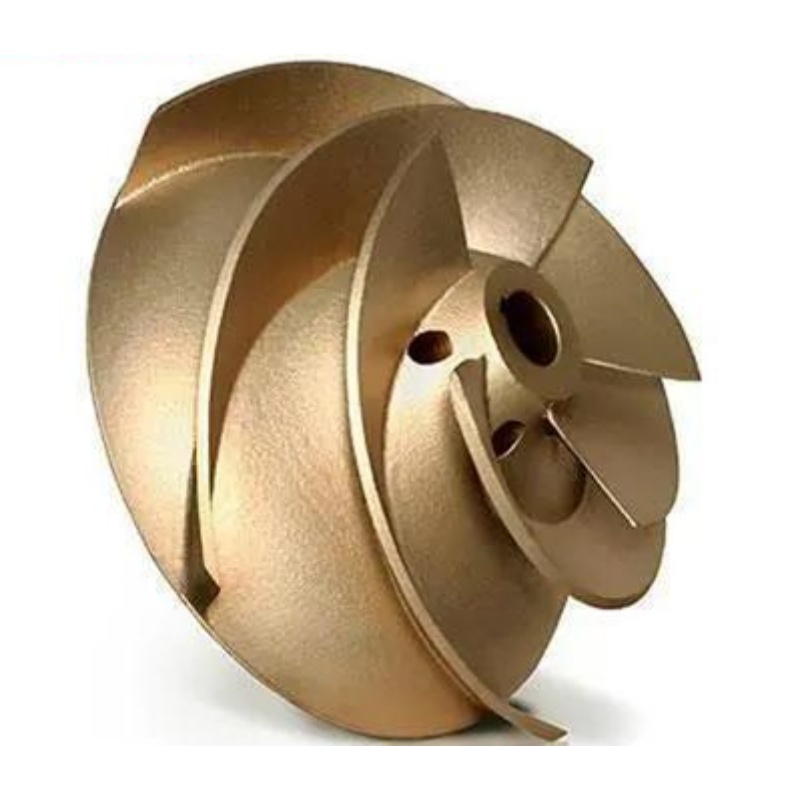
copper alloys die casting

Copper Alloys

Copper-based materials, offer excellent corrosion resistance and conductivity. Silicon Bronze: C87300, C87500, C87600 Aluminum Bronze: C95400, C95500, C95800
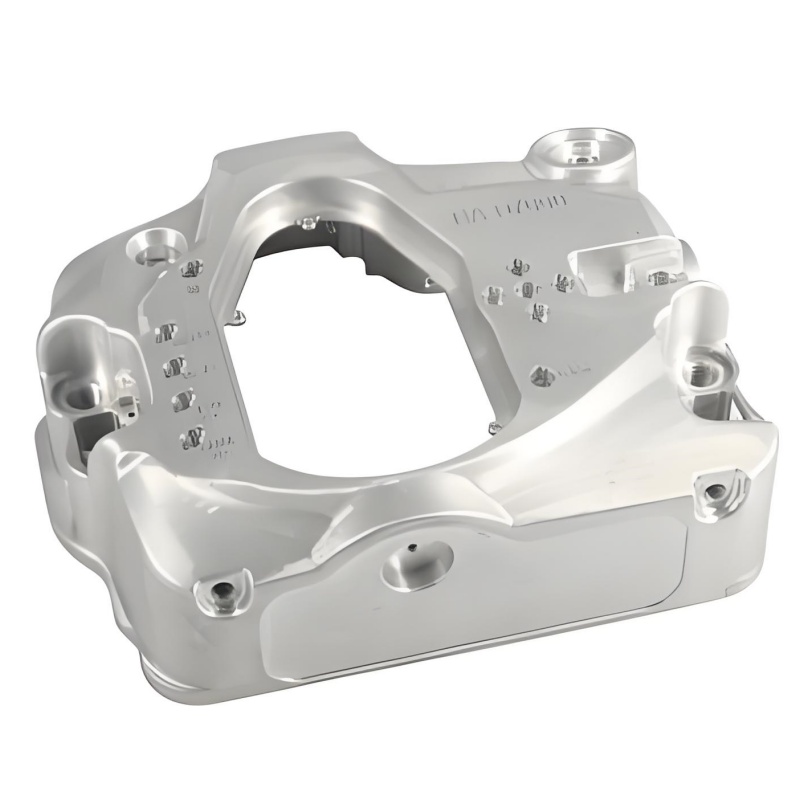
titanium alloys die casting

Titanium Alloys

α + β alloy: Ti-6Al-4V (Grade 5), Ti-6Al-4V ELI (Grade 23) Commercially Pure Titanium: Grade 2 High-strength titanium alloy: Ti-5Al-2.5Sn
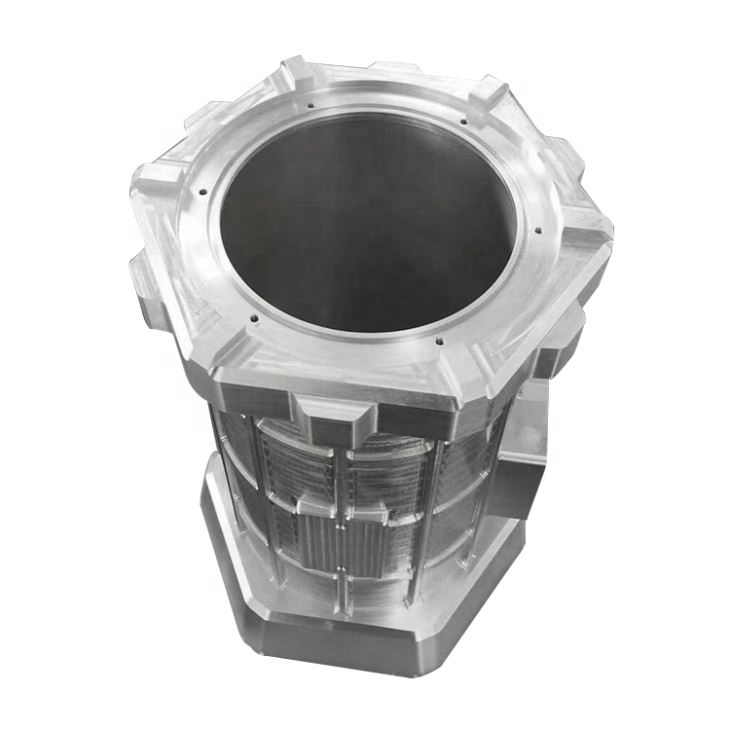
nickelcobalt based alloy

Nickel/Cobalt-Based Alloy

Nickel alloys common examples include Inconel 625, Inconel 718, and Monel M35-2. Cobalt alloys typical grades include Stellite 6, Stellite 21, FSX-414, Co-Cr-Mo, and MAR-M 509.
Blog & News

cnc milling
5 axies cnc machining
cnc milling cnc machining

What is a CNC Machining Center?

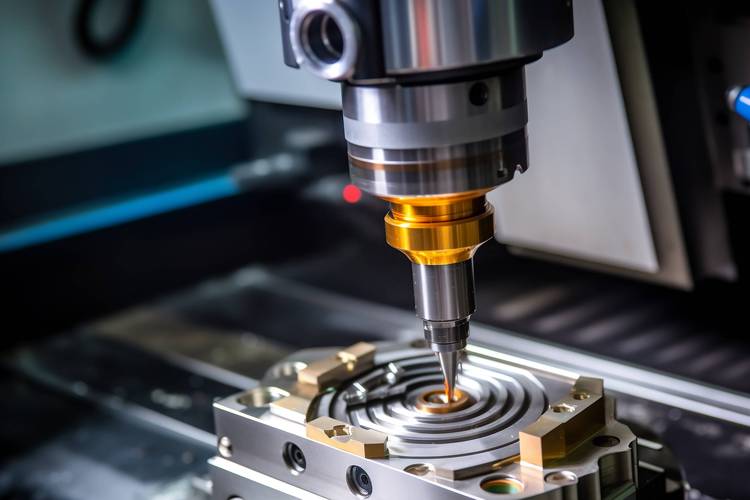
A CNC machining center is an advanced, computer-controlled machine tool capable of performing multiple machining operations—such as milling, drilling, tapping, boring, and sometimes turning.

Ashely . March 9, 2026

How many kinds of Types in CNC Machining Centers?

There are at least 5 different CNC lathes type in Machining Centers: Vertical Machining Center, Horizontal Machining, 5-Axis Machining Center, Gantry / Bridge Mill, Turn-Mill Center (Multi-Tasking).

Ashely . March 9, 2026

What is CNC Machining?

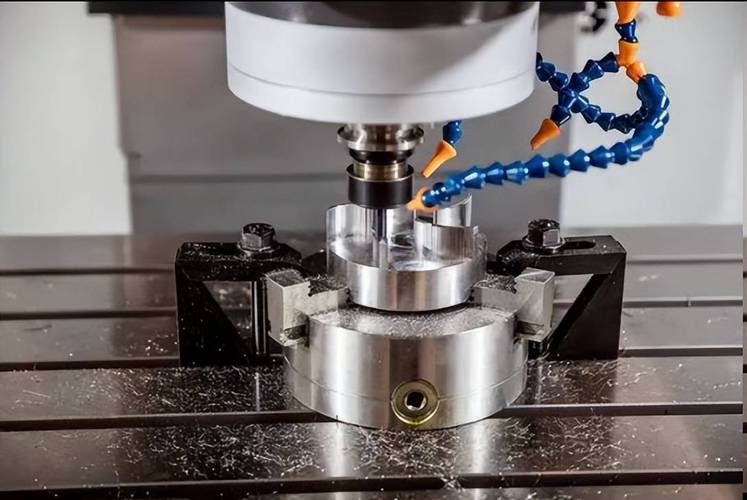
CNC (Computer Numerical Control) machining is a subtractive manufacturing process in which pre-programmed computer software controls the movement of factory tools and machinery to remove material from a solid workpiece, creating a finished part or product.

Ashely . March 9, 2026

Would you like to start a project with us?

FAQs About Our NPI Solutions Services

Why Tooling?

Tooling is the foundation of high-volume, repeatable manufacturing. Tooling turns a slow, manual process into a fast, automated, high-volume production system. If you need mass production, you must be choose tooling and molding production.

The molding workshop includes EDM, wire EDM, 50+CNC machining center, 50+injection machines ranging from 80 to 1000 tons, ect to meet different production requirements. Request equipment list, contact our team: ashely@rpdmfg.com.

Yes, exactly. We support both. You can either for use at your own facility or leave it with us for long-term molding production.

We operate under a rigorous Quality Management System (QMS) aligned with ISO standards. Our 5 Steps QC process is including IQC (Incoming Quality Control) , FQC (Final Quality Control) , OQC (Outgoing Quality Control) for routine production.
QE (Quality Engineering) / CAPA (Corrective and Preventive Actions) implemented throughout the entire product lifecycle, especially during the post-sale stage, to drive continuous improvement. Simply speaking  100% inspection before shipment to ensure zero defects.

One of the reasons engineers purchase from RPD is that we take on all the risks for you. We guarantee you’ll love what you get. Not happy with it? We’ll either redo it or give you a full refund. Your purchase is completely risk-free.

Material – Hardened steel (costly but durable for high volume)

Complexity – CNC, EDM, polishing; multi-cavity, undercuts add cost

Precision – Tight tolerances require advanced equipment & skilled labor

Customization – Every mold is custom-built for a specific part

Engineering – Significant design time for cooling, ejection, and geometry

We accept STEP, IGES, STL, DWG, DXF, and other common CAD formats.

1. Part Geometry – Shape, size, and complexity drive mold design. Thin walls, intricate details, and complex geometries require specialized features like additional cooling or advanced gating systems.

2. Material Selection – The plastic type affects cooling rates, shrinkage, and flow. Polypropylene shrinks more; polycarbonate needs higher mold temperatures. Abrasive or corrosive plastics also demand wear-resistant mold materials.

3. Tolerances & Precision – High-precision parts (automotive, medical) require tighter mold tolerances — which complicates design and increases cost.

4. Ejection System – Ejector pins, air blasts, or stripper plates must be carefully integrated to remove parts without damage — affecting both design and cycle time.

5. Gate Design – Gate type and location (direct, pin, edge) control how molten plastic enters the mold, impacting part quality, surface finish, and cycle time.

6. Undercuts & Parting Lines – Undercuts or complex shapes may require side actions or lifters to release the part, increasing mold complexity and cost.

Yes, we offer two key benefits for molds set up at our facility: free storage and free maintenance.

Tell Us About Your Project Today!

Turn your concept into production today, Validate your design with real parts!