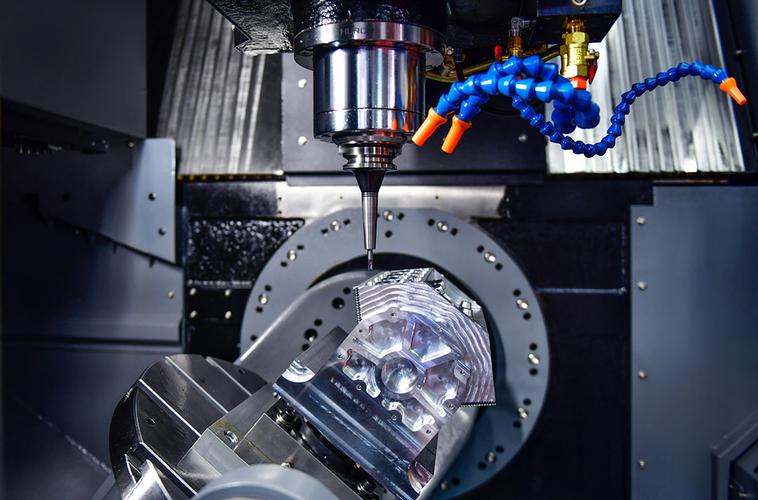
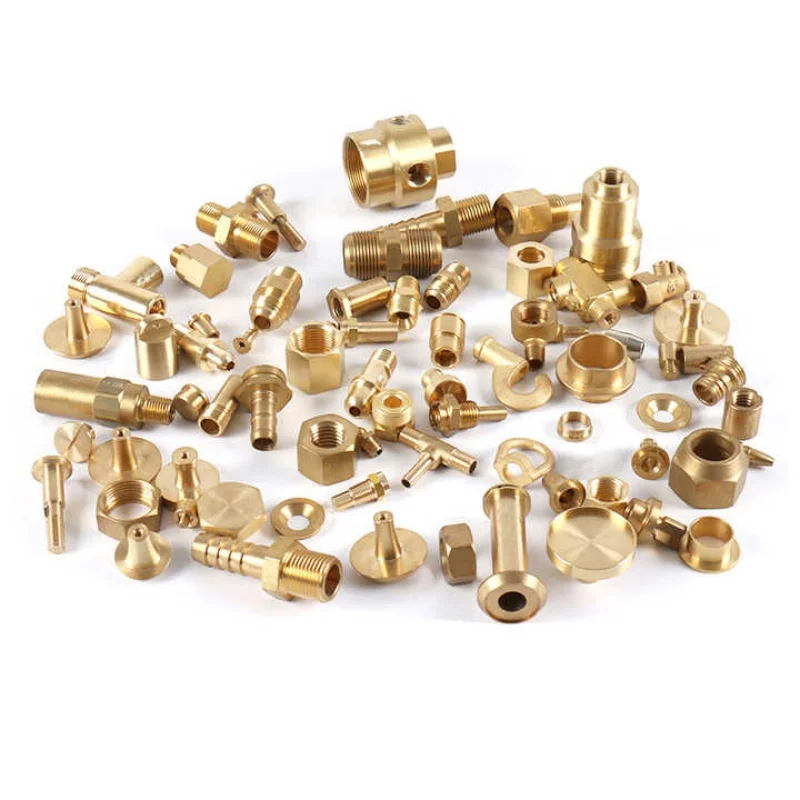
Copper is generally easy to machine material, yet material selection can be tricky. Although brass, pure copper(pure copper isn’t a copper alloy, only as a reference for material evaluation) and bronze all feature copper toned appearances, their performance differences can drastically alter yield rates and project costs when it comes to CNC turning milling, 5-axis machining, tolerance specification and lead time planning.
Blog Outline
1. How to Tell Brass, Pure Copper and Bronze Apart? Which Copper Alloy Should You Use for Your Drawings & Projects?
- Brass: Copper zinc alloy with vastly improved machinability. It ranks among the most machine friendly copper materials. Risk of dezincification in harsh wet environments; leaded brass is subject to compliance restrictions.
- Bronze: Copper alloyed with tin / aluminum / silicon / beryllium. Delivers higher strength, harder, wear resistance and corrosion resistance than brass.
- Pure Copper: Unalloyed copper,excellent electrical and thermal conductivity, yet very soft and ductile. Expensive, gummy during machining, not suitable for structural or wear resistant parts.
Property | Brass | Bronze | Pure Copper |
Main Composition | Cu + Zn | Cu + Sn / Al / Si / Be | Cu ≥99.9% |
Machinability | Excellent | Fair / Moderate | Poor |
Electrical Conductivity | ★★★☆☆ | ★★☆☆☆ | ★★★★★ |
Tensile Strength | Medium | Medium to High | Low |
Wear Resistance | Moderate | Excellent | Poor |
Corrosion Resistance | Good (prone to dezincification) | Very good, seawater resistant | Good |
Cost | Lowest | Medium to High | High |
Surface Finish | Excellent surface finish | Good, with higher tool consumption | Acceptable yet gummy chip behaviour |
Note: The ASTM machinability rating uses C36000 free machining brass as the 100% benchmark.
Brass Selection Decision Table for CNC Machining
C36000 vs C69300 vs C26000
Category | Grade (ASTM / EN) | Key Characteristics | Typical CNC Applications | Relative Raw Material Price |
Free Cutting Lead Brass | C36000 (ASTM B16) / CW617N (EN 12164) | Benchmark free machining alloy; short chips, premium surface finish. Contains lead; RoHS restricted for electronic end uses. | High volume turned components, valve cores, fittings, lock hardware | $ |
Lead Free Silicon Brass | C69300 (ASTM B455) / CW724R (EN 12164) | Lead free formulation, solid machinability; slightly higher tool wear compared to C36000. | Electronic connectors, medical hardware | $$ |
Cartridge Brass | C26000 (ASTM B134) / CW505L (EN 12164) | Superior cold formability, ductile, low lead content. Generates stringy chips in turning operations. | Stamped parts with secondary CNC machining, decorative components | $$ |
Bronze Selection Decision Table for CNC Machining
C51000 vs C95400 vs C93200
Category | Grade (ASTM / EN) | Key Characteristics | Typical CNC Applications | Relative Raw Material Price |
Phosphor Bronze Grade A | C51000 (ASTM B139) / CW451K (EN 12164) | Good elasticity and fatigue resistance; wear and corrosion resistant. | Gears, bearing washers, instrument components | $$ |
Aluminum Bronze | C95400 (ASTM B505) / CW307G (EN 1982) | High tensile strength; outstanding abrasion and seawater corrosion resistance. | Heavy load bushings, worm gears, marine mechanical parts | $$ |
Bearing Tin Bronze | C93200 (ASTM B505) / CW452K (EN 1982) | Favourable sliding wear performance, self lubricating, classic bearing alloy. | Sleeve bearings, bushings, sliding friction assemblies | $$ |
Pure Copper Selection Decision Table for CNC Machining
C11000 vs C14500 vs C10200
Category | Grade (ASTM/ EN) | Key Characteristics | Typical CNC Applications | Relative Raw Material Price |
Electrolytic Tough Pitch Copper | C11000 (ASTM B187) / CW004A (EN 13601) | Highest electrical & thermal conductivity; soft & ductile; susceptible to work hardening. | Heat sinks, EDM electrodes, electrical terminals | $$$ |
Tellurium Copper | C14500 (ASTM B301) / CW118C (EN 12164) | High conductivity paired with great machinability; low burr formation. | Precision electrical connectors, threaded copper pins | $$$ |
Oxygen Free Copper | C10200 (ASTM B152) / CW008A (EN 13601) | Oxygen free; resistant to hydrogen embrittlement; ideal for high vacuum environments. | Vacuum hardware, semiconductor & RF components | $$$$ |
Quick check list of Brass, Pure Copper & Bronze for CNC machined parts
- Is electrical or thermal conductivity your top priority? → Select pure copper
- Do you require low cost plus excellent CNC machinability, no RoHS compliance mandatory and fine surface finish? → Choose C36000 brass
- Are wear resistance, bearing functionality or seawater corrosion resistance critical? → Go with bronze
- Is RoHS compliance mandatory? Avoid leaded brass (C36000) and leaded bronze; opt for lead free alloy grades
- What are the load and mechanical strength requirements? Bronze > Brass > Pure Copper
Material Selection by Industry
- Medical, Electronics, New Energy: Prioritize electrical thermal performance. Pick C11000 / C10100 pure copper, or C14500 tellurium copper for improved machinability.
- Hydraulics, Pneumatics & Valve Components: For low material cost and high production yield, C36000 brass is the workhorse grade delivering stable threaded sealing surfaces.
- Aerospace & Marine Applications: For high strength and corrosion resistance, C95400 aluminum bronze and C46400 naval brass are reliable options.
- Automation Equipment & Bushings: C93200 tin bronze balances wear resistance and self lubricating properties.
Top 5 Common Copper Part Selection Mistakes & DFM Recommendations
- Specifying bronze instead of brass, driving up machining difficulty and overall costs.
- Prioritizing conductivity alone while ignoring mechanical strength; pure copper deployed on load bearing parts will lead to deformation related quality issues.
- Ignoring lead content compliance: leaded brass fails RoHS requirements
- Missing chamfer specifications on drawings: copper materials are soft and prone to sharp burrs. Undefined chamfers push up secondary deburring expenses.
- Improper surface treatment planning: unprotected polished brass will oxidize and darken during ocean freight transit.
Case Study of Copper Alloy CNC Machining:
One of US client request some thin-walled cnc turning parts from C36000 brass. The problem with his original parts was that the tolerance did not meet his request.
After analyzing the drawings, our team concluded that there was an issue with the material selection for the parts. C360 brass has a low yield strength and high plasticity, resulting in significant spring back after clamping and cutting. This part is thin-walled, so we suggested the client use tin bronze C93200 for machining this part, as tin bronze has better resistance to plastic deformation and is suitable for thin-walled heavy-duty bushings. He said he is open to material suggestion, then he test the tin bronze C93200 sample. Everything is perfect, they changed the material for mass production accordingly. Until now, it’s around the mass-produced products received 6 months, the client used them with satisfaction, no defective feedback.
Conclusion:
There is no universally “best” option among brass, pure copper and bronze, only the most suitable material for your application. Send over your drawings, operating conditions and order quantity; our engineering team will help finalize alloy grades and evaluate tolerances and quotations. If your project need to alternative materials, explore our complementary material selection articles: CNC machined aluminum parts 6061 & 7075, precision stainless steel machining, alloy steel CNC fabrication, carbon steel materials selection.
FAQs
Q1: Which among brass, pure copper and bronze machines best?
Brass offers superior machinability, especially C36000 free cutting brass, producing short chips, lowering tool consumption and delivering bright surface finishes. Pure copper is soft yet prone to built up edge and chip tangling. Bronze performance varies per grade; aluminum bronze creates significant tool wear.
Q2: How are material costs determined? Which copper grade is the cheapest?
Pricing depends on alloy grade, machining complexity and order volume. C36000 brass is the lowest cost option. Pure copper and bronze command higher raw material prices; aluminum bronze also carries elevated processing costs. Higher precision requirements further increase quotation values.
Q3: What surface treatments are available?
Brass supports polishing, brushing, nickel plating, chrome plating and passivation for anti oxidation. Bronze is commonly polished and passivated. Pure copper can be tin plated or silver plated to enhance solderability and electrical performance.
Q4: What is your custom manufacturing workflow?
Submit drawings and specification notes for process review and quotation. Prototype validation precedes mass volume production, followed by full quality inspection before shipment. OEM / ODM services available; NDAs can be signed for confidential projects.
Q5: What quality standards apply for copper alloy machined parts?
Production is managed under ISO 9001 quality control. Critical dimensions are inspected via CMM with inspection reports available. Parts can satisfy RoHS, REACH and other export compliance requirements.
Share this article