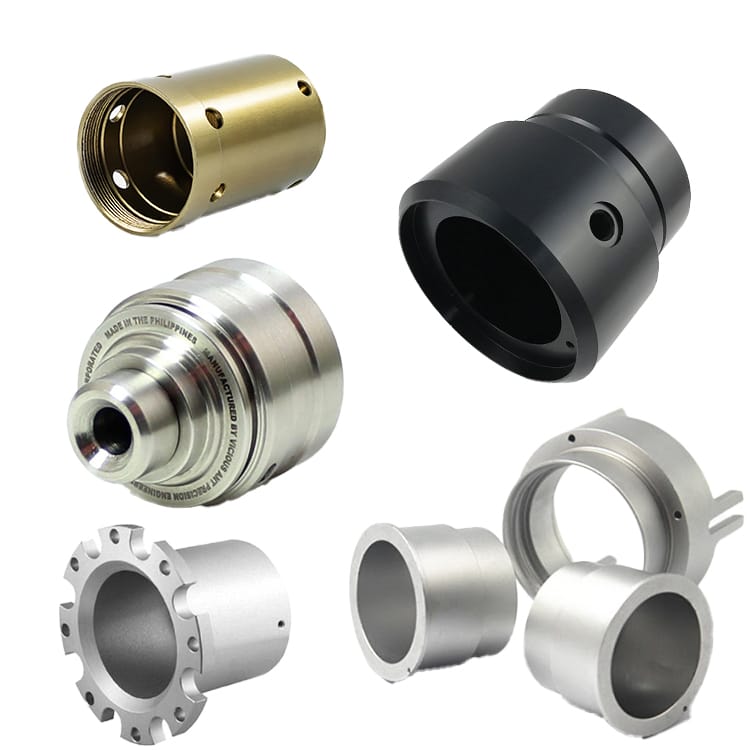
CNC machining was widely used to produce high-precision custom metal components for automotive, aerospace, medical, automation, robotics and general engineering applications. For mechanical engineers and procurement buyers, choosing the right material, tolerance range and surface finish directly impacts part performance, lead time and total production cost.
This guide acts as a central resource covering the core fundamentals of custom CNC machining. We break down common machinable alloys, mainstream machining processes, tolerance standards, surface treatment options, design best practices and typical manufacturing challenges. For deeper technical details on individual topics, follow the dedicated linked articles throughout this guide. Thank you!
Blog of Outline
1. Common Materials for CNC Machining
Selecting the correct alloy is the first critical step in custom CNC part design. Each metal has unique machinability, strength, thermal expansion and corrosion resistance properties that suit different working conditions.
🔗 :The Top 10 Materials favorite by Most Mechanical Engineers
🔗 : What’s Common Materials Used in CNC Machining Projects?
🔗 : CNC Machining Materials: A Complete Selection Guide for Custom Machined Parts
Aluminum Alloys: Aluminum is the most popular material for CNC machining, valued for low density, good machinability and cost efficiency. 2024, 6061 and 7075 aluminum are the most frequently specified grades for automation fixtures, structural parts & other machined parts.
🔗 :2024 vs 6061vs 7075 Aluminum CNC Machining
🔗 :Custom 6061 Aluminum Housings & Enclosures: CNC Machining DFM & Finishing Best Practices
Carbon & Alloy Steel: Steels deliver high tensile strength and wear resistance. 4130 and 4140 alloy steel are common for load-bearing mechanical parts, shafts and hydraulic components.
🔗 :Alloy Steel Comparison: SAE 4140 vs 4340 vs 8620 for CNC Machining
🔗 : Carbon Steel Grades for CNC Machining: Low, Medium & High Carbon Steel Comparison
Titanium Alloys: Titanium offers outstanding strength-to-weight ratio and corrosion resistance, but it is a difficult-to-machine material with strict cutting parameter requirements.
🔗 :Titanium Alloy CNC Machining Guide
Copper Alloy: generally easy to machine material too, widely use for Medical, Electronics, New Energy, automotive, Automation Equipment & Bushings.
🔗 :Brass vs Bronze (Pure Copper for Reference): Which Copper Alloy for CNC Machining?
Low Expansion Alloys (Invar): Invar 36 features an extremely low coefficient of thermal expansion, which makes it indispensable for precision optical and metrology parts. Specialized tooling and slow feed rates are required during machining.
🔗 :Invar 36 & Low Expansion Alloys CNC Machining: Grades, Challenges & DFM Guide
Stainless Steel: 304 and 316 stainless steel provide rust protection for food, marine and medical equipment, though work hardening can slow down machining cycles.
🔗 :303 vs 304 vs 316 Stainless Steel: CNC Machining Guide
Inconel & Nickel-Based Super alloys: a frequent choice for aerospace, gas turbine, oil & gas, deep-sea equipment, chemical processing and semiconductor equipment projects.
2. Main CNC Machining Processes
CNC machining is an umbrella term covering several distinct cutting operations, each suited for different part geometries.
CNC Milling
Milling uses rotating cutting tools to remove material from a stationary or moving work piece. It excels for complex 2D and 3D profiles, slots, pockets and contoured surfaces.
🔗 :3‑Axis vs 4‑Axis vs 5‑Axis CNC: When to Use 5‑Axis Machining ?
CNC Turning
Turning spins the raw bar stock while a static cutting tool feeds into the material. It is ideal for rotational parts such as pins, shafts, bushings and threaded fittings.
CNC Turn-Mill composite Machining
Turn-mill composite machining is a hybrid manufacturing technology that integrates multiple processes such as turning, milling, drilling, tapping, boring, grooving & hobbing on a single machine, completing all or most of a part’s operations in one setup.
🔗 :Turn-Mill Composite Machining: Benefits, Ideal Part Structures & DFM Design Guidelines
5-Axis CNC Machining
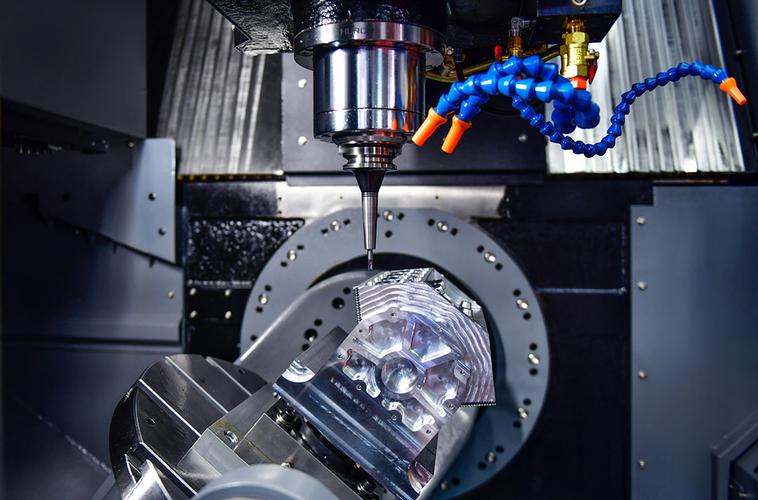
5-axis machines move the part or cutting tool along five axes simultaneously. It allows complex curved aerospace and mold components to be finished in a single setup, reducing alignment errors.
🔗 :Why 5‑Axis Machining Centers Excel at Complex Geometry Parts?
3.Dimensional Tolerances for CNC Machined Parts
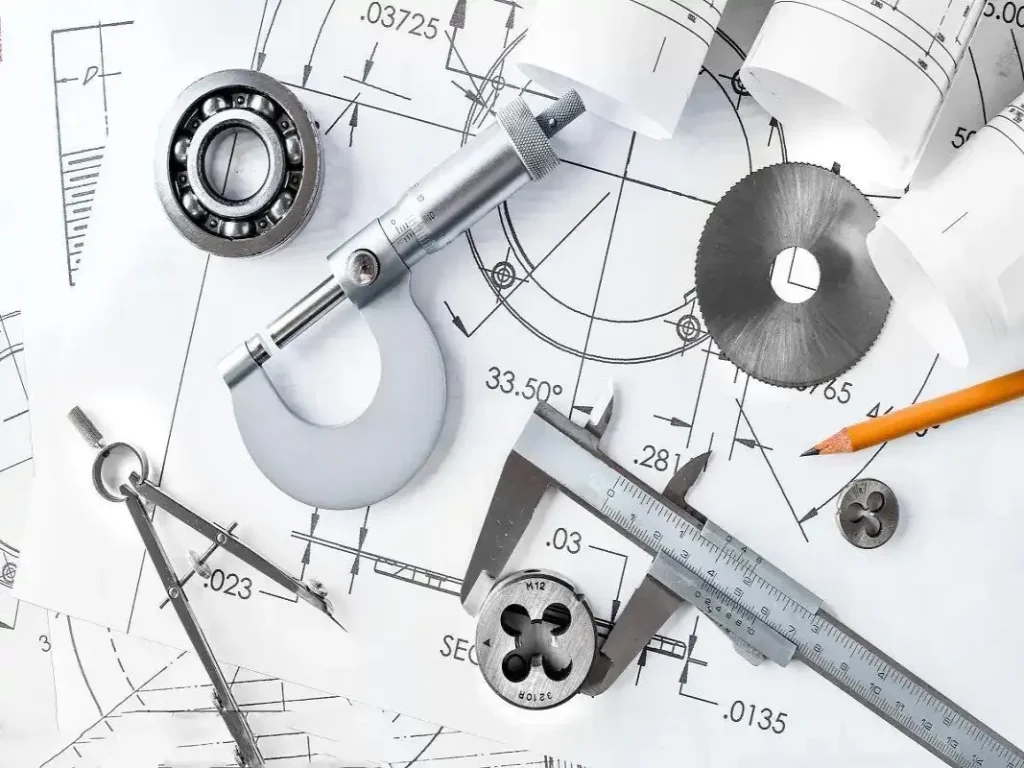
Tolerance defines the allowable deviation from your nominal drawing dimension. Tighter tolerances require slower cutting speeds, more inspection steps and higher manufacturing costs. Standard general tolerances for conventional CNC work usually fall between ±0.05 mm to ±0.1 mm, while ultra-precision work can reach ±0.003 mm depending on material and machine capability. Many buyers over-specify tight tolerances on non-critical features and unnecessarily raise quotation prices.
🔗 :Precision CNC Milling Tolerance Guide: IT Grades, Ra & GD&T and DFM
🔗 :Precision CNC Turning Tolerance Guide: IT Grades, Ra and GD&T Reference
4. Surface Finishes for CNC Components
As-machined surfaces often have visible tool marks. Surface finishing operations modify roughness, improve corrosion resistance, reduce friction or enhance cosmetic appearance.
🔗 :Top 20 Surface Finishing Guidelines of Custom Metal Parts
5. Factors That Affect CNC Machining Cost
The final quote is shaped by a set of interlinked variables: raw material grade, required tolerance, surface finish, part geometry complexity, batch quantity, setup time and secondary inspection requirements. Deep cavities, thin walls and tiny features increase machining difficulty and scrap risk. In many cases, minor design adjustments following DFM rules can cut costs without sacrificing part function.
🔗 :How to Reduce CNC Machining Costs Without Sacrificing Quality?
🔗 :Do over specified chamfers, fillets & edge breaks increase CNC machining costs?
6. Common CNC Machining Defects & How To Avoid Them
Even with skilled operators and reliable CNC equipment, certain defects frequently appear on difficult-to-machine metals. Thin-wall deformation, tool chatter, built-up edge and thermal expansion errors are the most typical issues for Invar, titanium and hardened steel. Most defects can be mitigated by adjusting cutting speed, coolant selection, clamping strategy and tool path programming.
🔗 :7075-T6 CNC Machining: Distortion Causes, Challenges & Practical Control Solutions
7. DFM Guidelines for CNC Machining
DFM, or Design for Manufacturability, is the practice of designing parts with machining limitations in mind. Good DFM reduces production difficulty, lowers scrap rates and shortens lead time. Core DFM recommendations include avoiding extremely deep narrow slots, maintaining reasonable wall thickness, adding radii to internal corners and simplifying fixturing wherever possible.
🔗 :3 Key GD&T Facts for Custom CNC‑Machined Parts | Mechanical Engineers Guide
8.FAQs
Q1: What tolerance can standard CNC machining hold?
General CNC milling and turning can reliably hold ±0.05 mm for most metals. Precision operations on stable materials can achieve ±0.01 mm -0.003mm tighter with dedicated setups and inspection. For Ultra-tight tolerances, send your drawings for confirmation.
Q2: Which material is cheapest for CNC machining?
6061 aluminum offers the best balance of low raw material cost and fast cutting speeds, making it the most cost-effective option for non-high-temperature, non-load-critical custom parts.
Q3: Can CNC machining produce one-off prototype parts?
Yes. CNC machining is well suited for low-volume prototyping as well as mass batches.
Q4: What is the difference between 3-axis and 5-axis CNC machining?
3-axis machines only move along X, Y and Z axes. 5-axis systems add rotation for the work piece or spindle, enabling access to complex undercut and curved surfaces without repeated re-fixturing.
Get Your Custom CNC Machined Parts Quote
If you have finished drawings or design concepts that require precision CNC manufacturing, our engineering team can review your files, confirm material selection, tolerance feasibility and provide a competitive quotation. Contact us today!
9. More Related Technical Articles
Below you can explore our in-depth technical articles covering specific materials, processes and manufacturing challenges for custom CNC components.
🔗 :What Is CNC Machining? How Does It Work? Why Does It Matter?
🔗 :How to Choose a Reliable CNC Machining Manufacturer?
🔗 :Beginner’s Guide of Custom Mechanical Parts Without Engineering Experience
Share this article